Can a Garden Trellis Be Freestanding?
Practical Guidance from Experience
Trellises are often associated with walls and vertical surfaces, but many designs can also stand independently within the garden. Understanding when and how a trellis can function as a freestanding structure depends on both its construction and how it is placed within the landscape.
At H Potter, with nearly 30 years of experience designing garden structures, we’ve worked with a wide range of trellis styles—from wall-mounted pieces to fully freestanding designs intended to create privacy, define space, or support climbing plants in open areas.
For more guidance on selecting the right trellis for your space, explore our Complete Trellis Buying Guide.
When it comes to elevating your garden or outdoor space, trellises are a beloved choice. These beautiful structures provide support for climbing plants while adding a touch of elegance to your surroundings. But can a trellis be freestanding? The short answer is yes, and there are plenty of possibilities to explore.
Understanding Freestanding Trellises
For nearly three decades, H Potter has championed the revolutionary concept that garden structures shouldn't be confined by existing architecture. The most beautiful and functional gardens are those that can evolve, adapt, and respond to changing needs without being permanently anchored to another fixed structure.
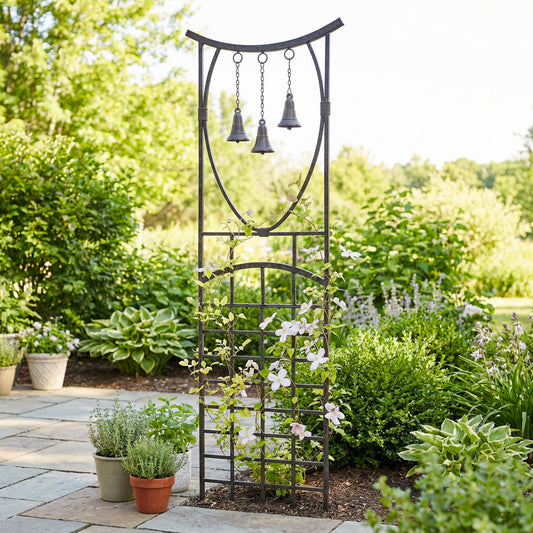
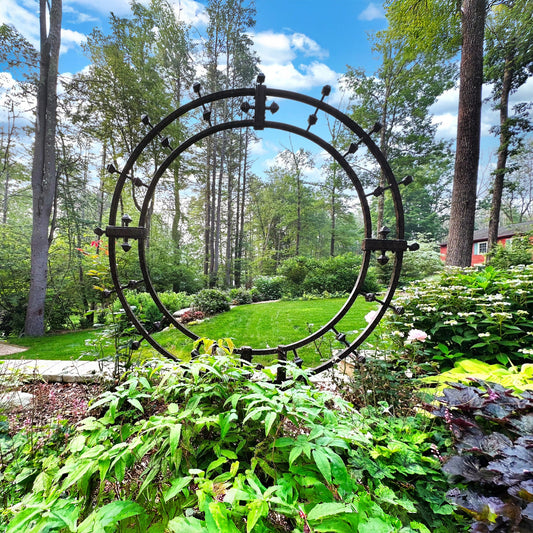
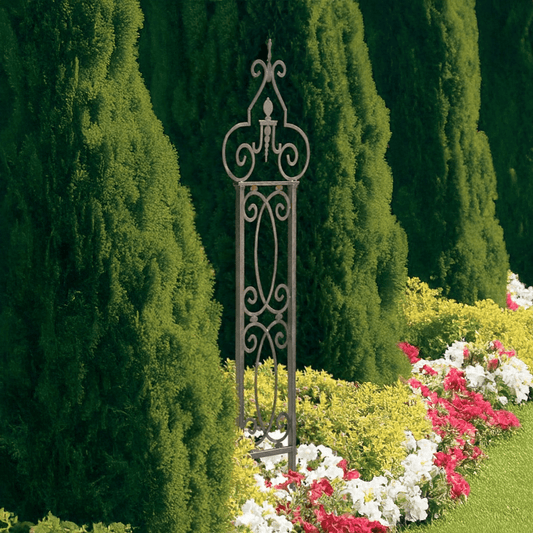
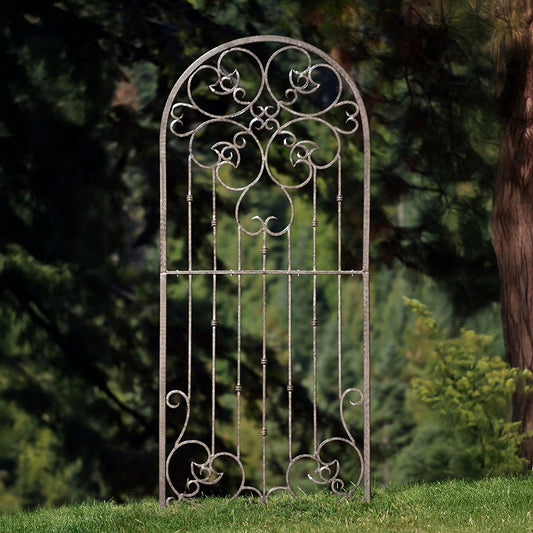
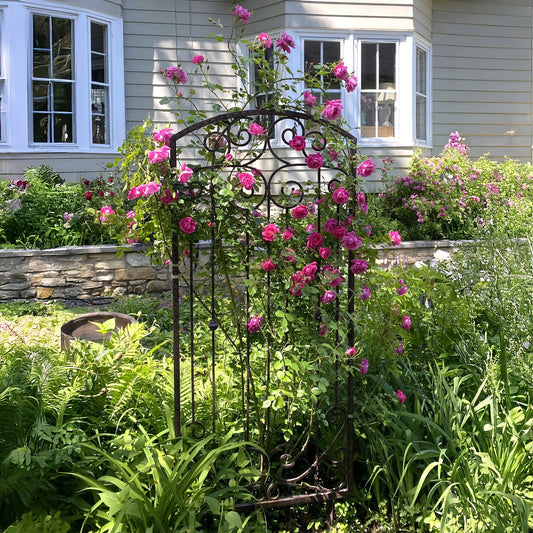
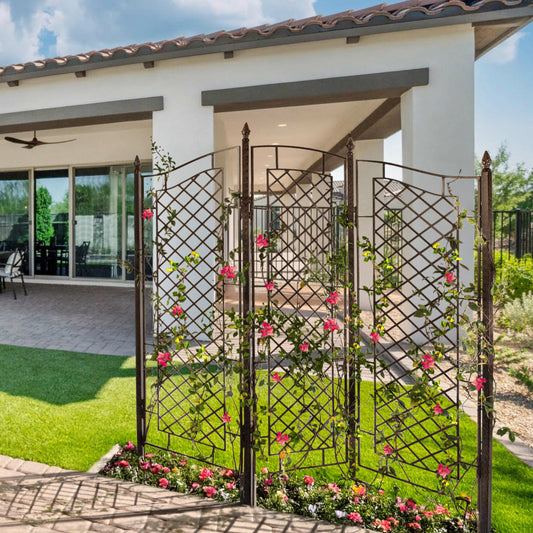
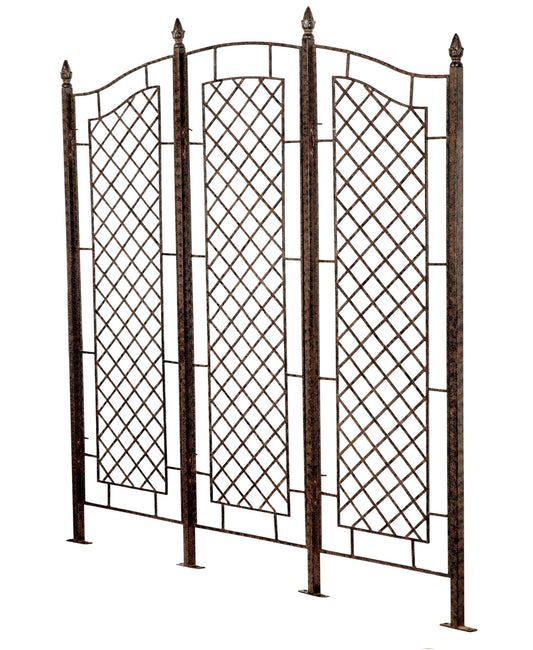
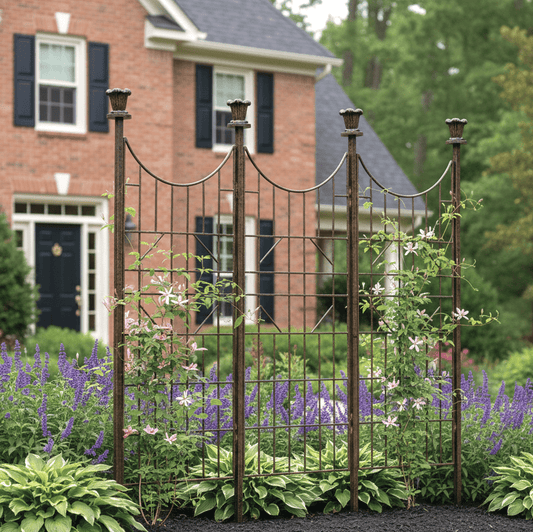
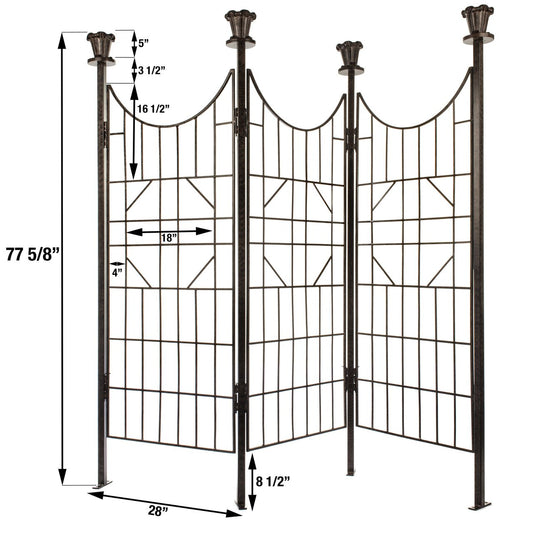
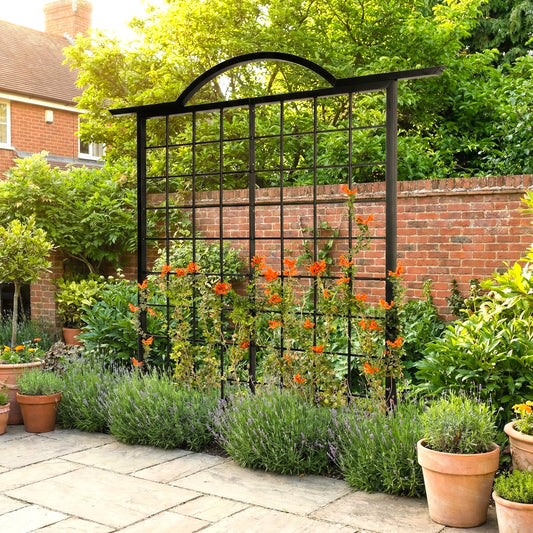
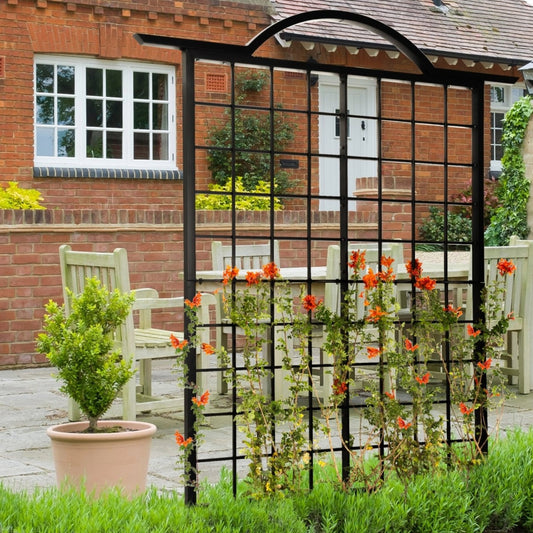
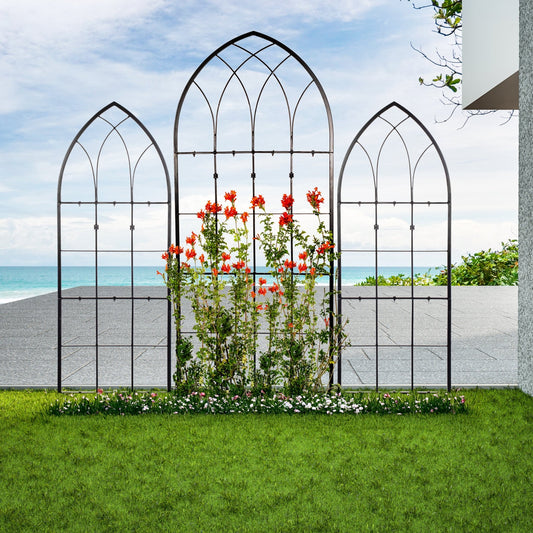
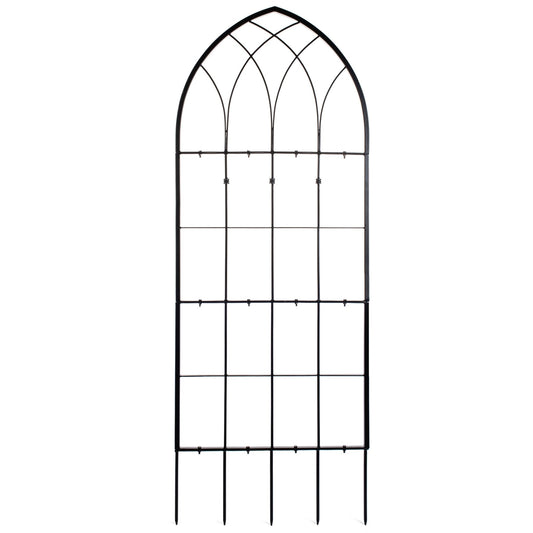
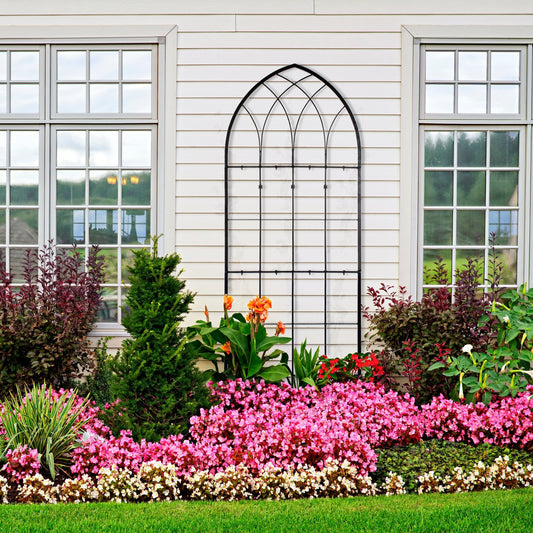
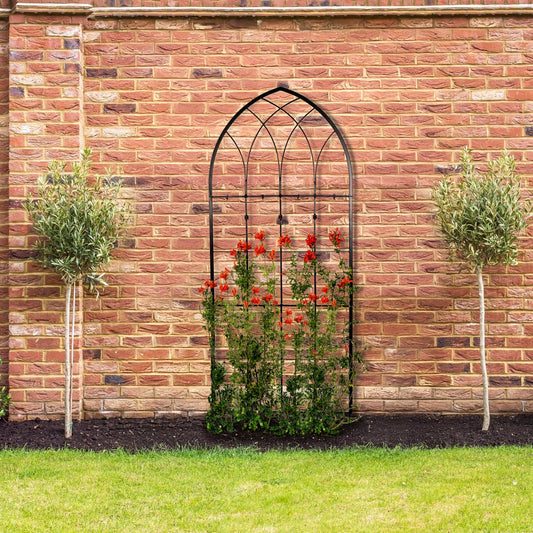
A freestanding trellis is one that doesn't require attachment to a wall, fence, or any other support structure. Instead, it stands independently, offering a versatile and decorative solution for your garden. Whether you're looking to showcase a climbing rose in the middle of your lawn or add vertical interest to your patio, a freestanding trellis can be the perfect choice.
Trellising Structural Dynamics
Freestanding trellises represent a triumph of engineering over conventional limitations. Unlike wall-mounted trellises that rely on existing structures for support, freestanding designs must be completely self-sufficient, bearing not only their own weight but also the substantial loads imposed by mature climbing plants, wind forces, and seasonal weather extremes.
The key to successful freestanding trellis design lies in understanding how forces travel through the structure. H Potter's freestanding trellises use triangulated frameworks that distribute loads evenly throughout the entire structure, preventing stress concentrations that could lead to failure. This engineering approach, borrowed from bridge and building construction, ensures that even the most vigorous climbing plants can be supported safely.
The Advantages of Freestanding Trellises
There are several benefits to choosing freestanding trellises:
- Versatility: Freestanding trellises can be placed anywhere in your garden or outdoor space. They are not limited by the presence of walls or fences, giving you the freedom to create stunning focal points wherever you desire.
- Easy Installation: You don't need to drill into walls or make any permanent installations. Simply choose your spot, position your freestanding trellis, and you're ready to go.
- Portability: Need to change your garden layout or take your trellis with you when you move? Freestanding trellises are easily portable, offering you the flexibility to adapt to your garden's evolving needs.
- Decorative Element: Beyond their practical use for supporting climbing plants, freestanding trellises are a decorative addition to any outdoor space. They can serve as standalone garden art, enhancing the aesthetics of your garden.
Related reading: 5 Best Places to Install Your Trellis.
Building a Freestanding Trellis
Heavy-Duty Iron Construction: H Potter's freestanding trellises begin with heavy-gauge iron selected specifically for its strength-to-weight ratio and long-term durability. This isn't the thin, decorative metal used in mass-produced alternatives, it's structural-grade material that can support hundreds of pounds of mature plant growth while maintaining its shape and stability over decades.
Advanced Welding Techniques: Every joint in an H Potter freestanding trellis is hand-welded using techniques that create bonds stronger than the base material. Our welders are craftsmen who understand that a trellis joint failure isn't just an inconvenience, it's a potential safety hazard and a threat to years of careful plant training. Each weld is inspected and tested to ensure it meets our exacting standards.
Five-Step Powder Coating Process: The finish on H Potter trellises isn't just about appearance, it's a critical component of the structure's longevity. Our five-step powder coating process creates a barrier that protects the underlying iron from corrosion while providing a surface that resists chipping, fading, and wear. This finish actually improves with age, developing subtle character that enhances the trellis's beauty over time.
How to Install a Freestanding Trellis
Tool Selection: Use appropriate tools for trellis installation. A quality level, measuring tape, and proper driving tools make installation easier and more accurate. Don't attempt to drive stakes with inadequate tools, this can damage both the stakes and the trellis structure.
Safety Considerations: Freestanding trellis installation involves working with heavy materials and driving stakes into the ground. Wear appropriate safety equipment, including safety glasses and work gloves. Be aware of underground utilities before driving stakes, and call your local utility marking service if there's any doubt about underground hazards.
Quality Control: Inspect your installation carefully before considering it complete. Check that all connections are tight, stakes are fully seated, and the trellis is level and stable. Address any issues immediately rather than hoping they'll resolve themselves over time.
What Climbing Plants Should I Use?
Twining Vines: Plants like morning glories, pole beans, and honeysuckle climb by twining their stems around supports. These plants work well with trellises that provide vertical elements for twining. The spacing of trellis members affects how effectively twining plants can climb—too wide, and they can't reach from one support to the next; too narrow, and they become overcrowded.
Tendril Climbers: Grapes, sweet peas, and clematis climb using specialized tendrils that wrap around supports. These plants prefer trellises with thin members that tendrils can easily grasp. Wire or thin metal supports work better than thick wooden posts for tendril climbers.
Clinging Vines: Plants like ivy and Virginia creeper use specialized holdfasts or aerial roots to cling to surfaces. These plants can climb smooth trellis surfaces but may need initial training and support until their clinging mechanisms develop.
Scrambling Plants: Climbing roses and bougainvillea don't have specialized climbing mechanisms but can be trained to grow through and over trellis structures. These plants require regular tying and training to maintain their position on the trellis.
More inspiration: Best Climbing Plants for Trellises.
Choosing the Right Freestanding Trellis
At Jack Peed and the team at H Potter, we've been crafting premium-quality metal garden products for nearly 30 years. Our freestanding trellises, obelisks, and arbors are designed to meet the unique needs of your garden. When selecting a freestanding trellis, consider factors like size, design, and the climbing plants you want to support. Explore our collection to find the perfect freestanding trellis for your garden, and elevate your outdoor space with elegance and functionality.
So, if you've ever wondered, "Can a trellis be freestanding?" the answer is a resounding yes. With a freestanding trellis from H Potter, you can create a stunning focal point, showcase your favorite climbing plants, and transform your garden into a true work of art.
If you have any questions or need assistance in choosing the right freestanding trellis for your garden, don't hesitate to reach out to our team at H Potter. We're here to help you make the most of your outdoor space.
Related Trellis Resources
- Anchoring a Freestanding Trellis — practical setup guidance for stability and long-term performance
- 5 Best Places For Your Trellis — where trellises work best in the garden
- Why Wall Trellises? — compare freestanding and wall-mounted styles
- Our Favorite Climbing Plants — plant ideas for beautiful vertical growth
FAQs: Freestanding Trellises
Yes. A freestanding trellis stands independently without attachment to a wall, fence, or other support structure, making it a versatile choice for gardens, patios, and open spaces.
Freestanding trellises offer versatility, easier placement, portability, and decorative value. They can serve as both plant support and standalone garden structure.
Twining vines, tendril climbers, clinging vines, and scrambling plants can all work well, depending on the trellis design and how the plant climbs naturally.
Quality freestanding trellises use strong materials, well-made joints, protective finishes, and thoughtful structural design so they can remain stable under plant weight and outdoor conditions.
Use proper tools, check for underground utilities, anchor the trellis securely, and confirm that the structure is level and stable before considering the installation complete.