Succulents for Indoor Plants: The Perfect Choice for Your Home or Office
Succulents for indoor plants have become a top trend in home and office décor, offering a unique blend of beauty, resilience, and easy care. Whether you’re a city dweller with limited outdoor space or simply want to enjoy the calming presence of greenery indoors, succulents are an excellent choice. This guide is for anyone interested in growing succulents indoors, whether you are a beginner or an experienced plant enthusiast. We’ll cover the benefits of indoor succulents, care tips, popular varieties, and troubleshooting common issues to help you create a thriving indoor garden.
Succulents are popular houseplants known for their thick, juicy stems and/or leaves. Succulents are popular houseplants known for their low maintenance and ability to thrive in dry indoor environments. Unlike other plants, succulents have specialized adaptations for water storage, allowing them to thrive where many typical houseplants might struggle. At H Potter, we have a soft spot for these charming plants, and we’re thrilled to make it easier for you to cultivate your own indoor garden, especially if starting an outdoor garden feels challenging.
Whether you’re living in a busy city or simply want to enjoy the calming presence of plants indoors, succulents are a fantastic option. Succulents include a wide variety of species, and cacti are a well-known subset of succulents—while all cacti are succulents, not all succulents are cacti. To give you a headstart on your succulent garden, we’ve put together a short guide to choosing and caring for succulents indoors, so you can enjoy their beauty and easy care year-round.
Benefits of Growing Succulents Indoors
One of the greatest joys of growing succulents indoors is how effortlessly they adapt to a wide range of indoor conditions, making them a top choice for both seasoned plant lovers and beginners alike. Succulents thrive in spaces with indirect light, so even rooms that don’t receive abundant natural light can become lush indoor gardens. Whether you have a sunny spot or a cozy nook with lower light, succulents are well suited to flourish in your home or office.
A major benefit of succulents indoors is their low maintenance nature. These unique plants require infrequent watering, thanks to their ability to store moisture in their fleshy leaves and stems. This means you can enjoy vibrant greenery without the constant worry of daily care. Simply allow the soil to dry out between waterings, and your succulents will reward you with healthy growth and lasting beauty. Using well drained soil and indoor containers with drainage holes—such as classic terracotta pots or modern planters with coarse sand and potting soil—helps prevent root rot and supports robust root systems.
Succulents are a diverse group, offering an incredible variety of shapes, colors, and textures to enhance any indoor setting. From the oval shaped leaves of the panda plant to the pendant stems of string of pearls, and the sculptural forms of epiphytic cactus or barrel cactus, there’s a succulent to suit every style. Their unique plant forms add instant aesthetic appeal, creating eye-catching displays on windowsills, shelves, or as part of a larger indoor garden.
Popular species like aloe vera, ghost plant, and trailing succulents such as burro’s tail are especially well suited for indoor environments. These houseplants tolerate low light and dry air, making them perfect for busy lifestyles or offices with less-than-ideal lighting. With minimal care and good airflow, succulents can thrive for years, bringing a touch of nature and tranquility to your indoor environments.
In summary, growing succulents indoors offers a host of benefits: they’re low maintenance, adaptable, and visually striking. With the right containers, well drained soil, and a thoughtful approach to watering, you can create a vibrant, healthy indoor garden that’s as easy to care for as it is beautiful. Whether you’re looking to brighten up your living room, workspace, or any indoor setting, succulents are the perfect choice to create a welcoming, green oasis.
Why Choose Succulents for Your Home?
Succulents are the perfect choice for indoor plants for several reasons, but their most notable feature is their low-maintenance care. Known for their resilience, most succulents thrive indoors without needing too much attention. Unlike other houseplants that require frequent watering or high humidity, succulents are perfectly suited for the drier, low-humidity environments found in most homes—especially those with dry air, such as during winter months when indoor humidity drops. Thanks to their ability to store water in their leaves and roots, succulents can go for longer periods without needing a drink. These adaptations are a result of their native habitats, which are typically hot and dry, making succulents naturally equipped to handle similar indoor conditions.
Beyond their easy care, succulents come in a wide range of shapes, sizes, and colors, making them a visually appealing addition to any space. Many succulents also produce beautiful flowers, adding another touch of variety to this fun classification of plants. With so many types to choose from, you’re bound to find one (or several) that will fit perfectly in your home.
Basic Care Tips for Succulents
When it comes to growing succulents as indoor plants, proper care is essential for success. Succulents require bright, indirect light for healthy growth.
Even though succulents are relatively easy to care for, they still require some care to ensure the healthiest plants. So here are a few essential care tips to ensure your succulents thrive.
Watering
Not requiring frequent watering, succulents store water within their leaves, extending the amount of time they can go without needing to be watered. This particular ability often means that the most common mistake gardeners make when caring for succulents is overwatering. Excess water and too much water can quickly lead to root rot and other issues, so it's important to avoid letting water sit in the pot or tray. To prevent your little plants from getting bogged down, only water these plants when the soil dries out a few inches deep in the soil (another common sign is if the plant itself starts to look a little droopy). Make sure the pot drains well to avoid waterlogging the roots. Yellow leaves can be a sign of overwatering, indicating that the soil may be too wet for healthy succulent growth.
Light
Succulents love sunlight! Place your plants near a bright window where they can receive several hours of light each day, but be sure to protect them from intense direct sun, which can cause leaf and stem damage. Some succulents can tolerate lower light conditions, but for optimal growth and vibrant color, they need plenty of natural light. If your succulents appear leggy or stretched, try moving them to a sunnier spot. Proper placement in an indoor setting is essential to ensure your succulents thrive.
Soil & Fertilizing
Succulents prefer well-draining soil, and a simple potting mix that drains well should be sufficient. While succulents don't need a lot of fertilizer, giving them a light dose during the growing season (usually in the summer) can promote healthy growth. Avoid fertilizing in the winter months when most succulents enter a dormant phase.
Temperature
Succulents prefer warmer temperatures and do well in average indoor conditions. Be sure to keep them away from drafts or extreme cold, as they don't fare well in temperatures below 50°F.
Choosing the Right Succulent Plant Pots
Selecting the right pot is crucial to your succulent’s health. Succulents have shallow root systems, so it’s best to choose shallow, wide pots that allow for proper growth without excess moisture retention. Drainage holes are a must, as succulents are particularly sensitive to waterlogged soil. Without proper drainage, their roots can rot, leading to the plant’s demise. Terracotta pots are highly recommended for succulents because they are porous and promote quicker soil drying, which helps prevent overwatering and root rot.
When it comes to placement, you might want to opt for slim, minimalist succulent pots or tray planter sets. These are perfect for displaying multiple plants in small spaces like windowsills, desks, or shelves, ensuring your succulents get plenty of sunlight while staying stylishly contained.
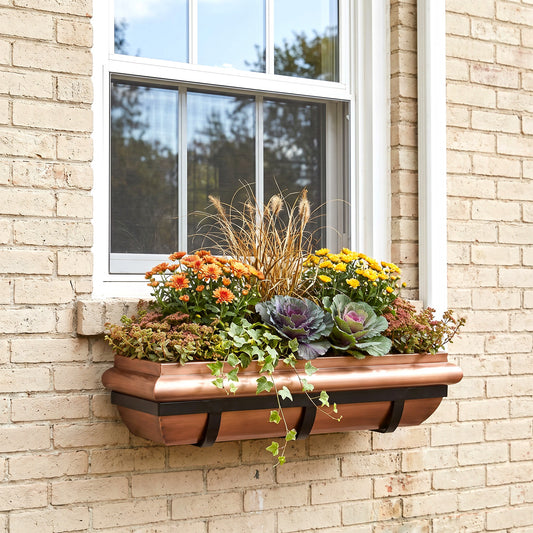
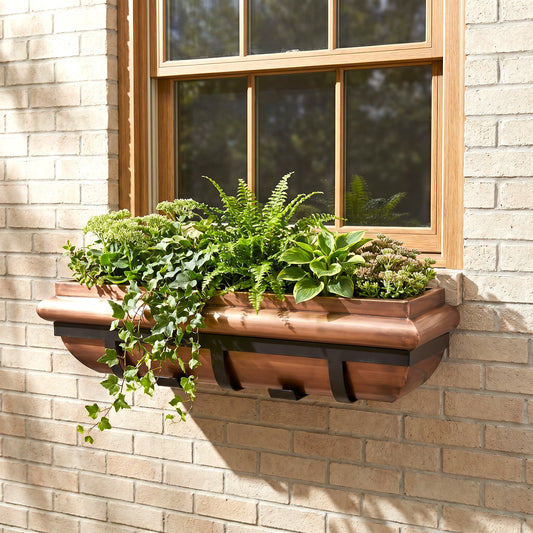
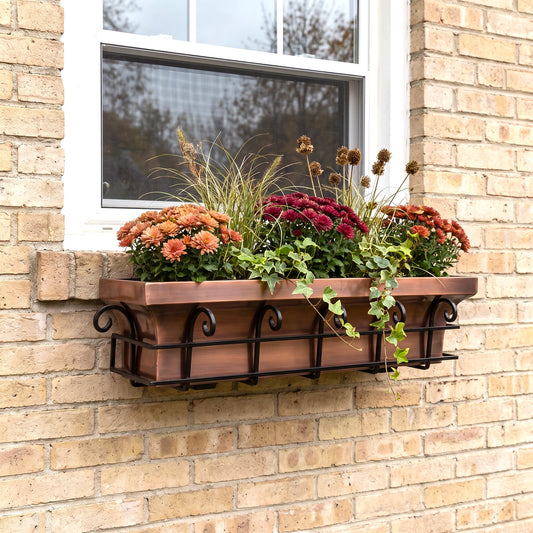
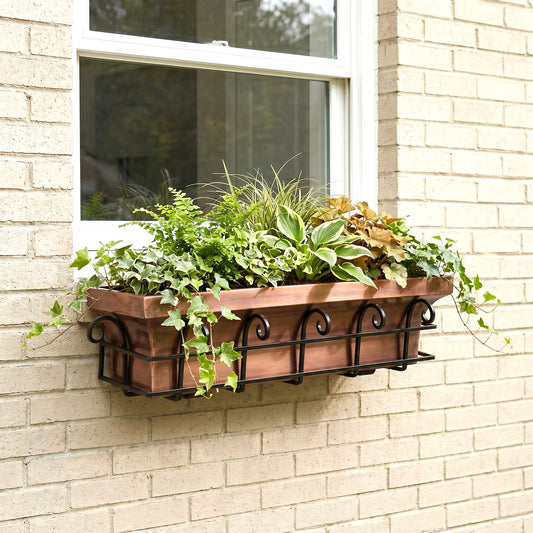
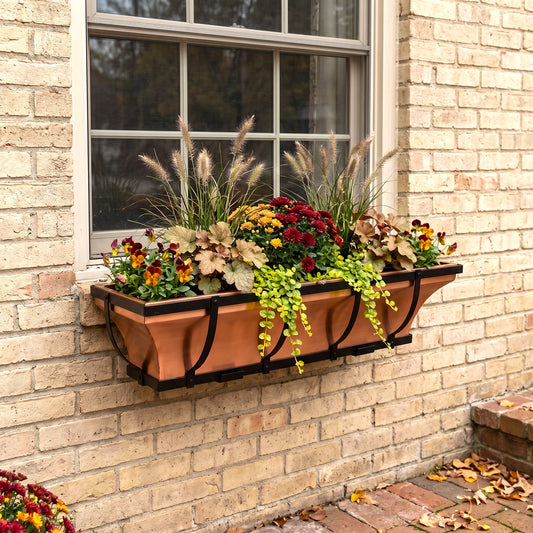
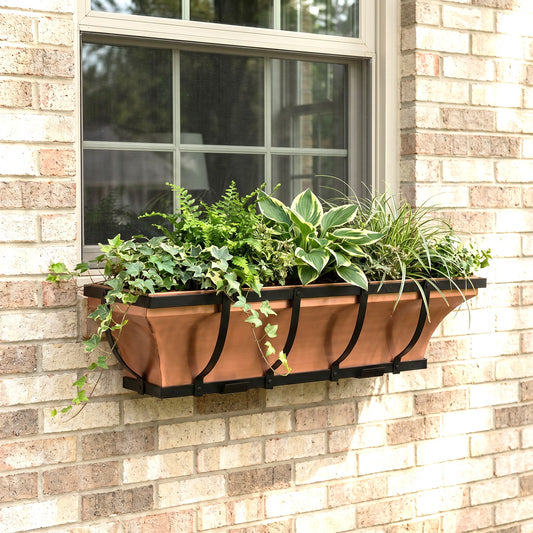
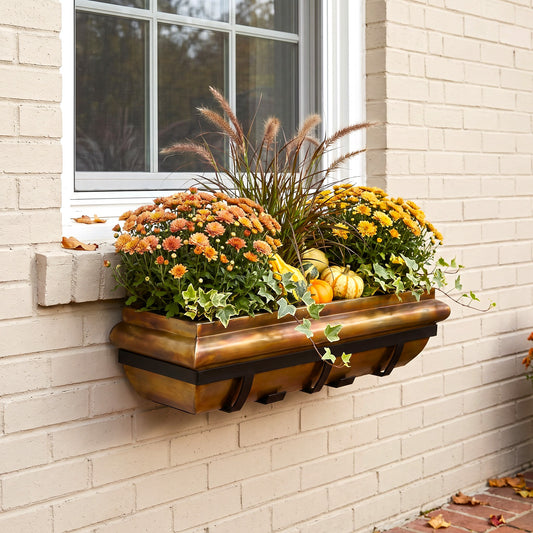
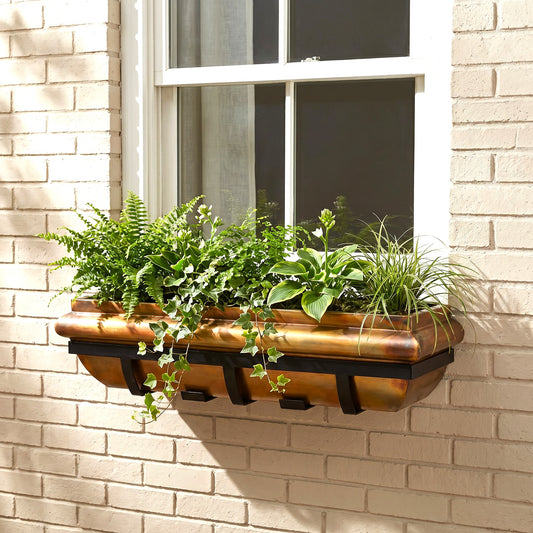
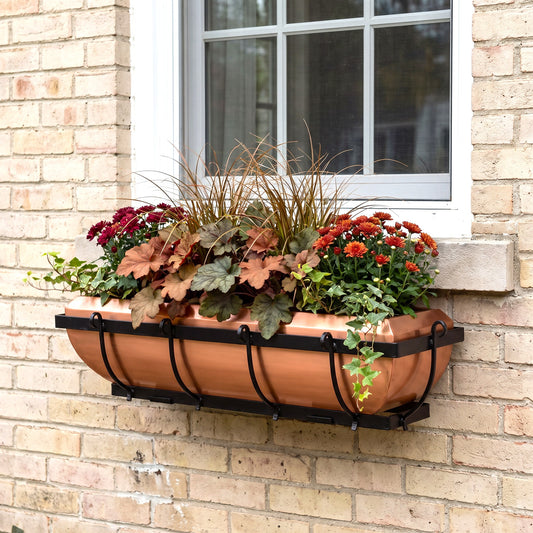
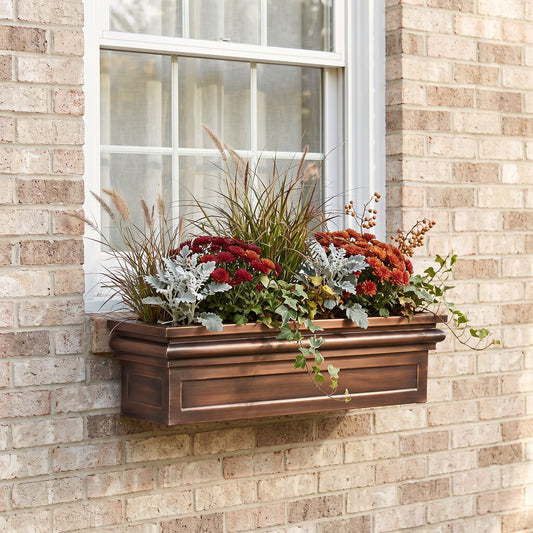
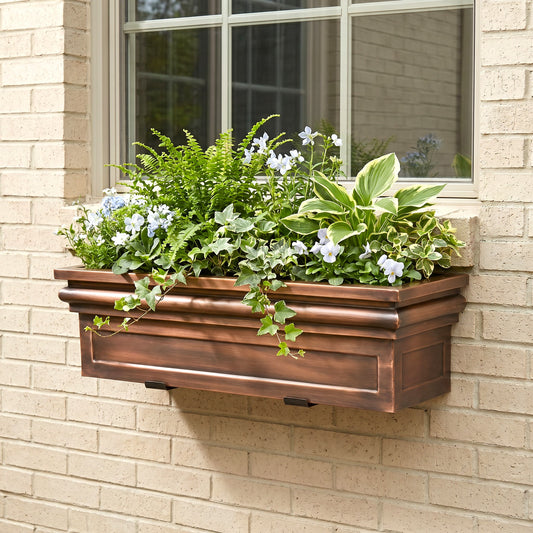
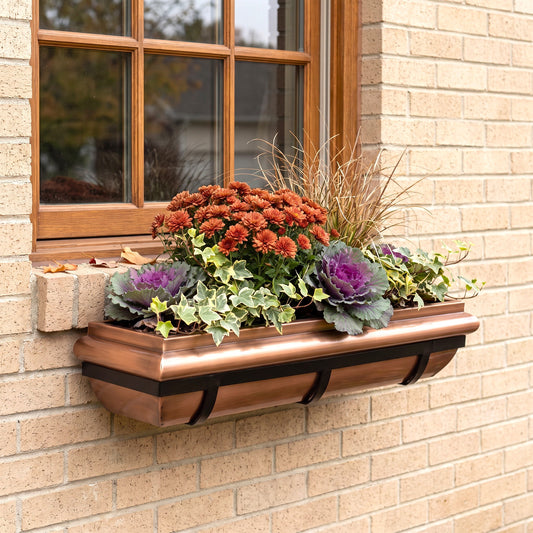
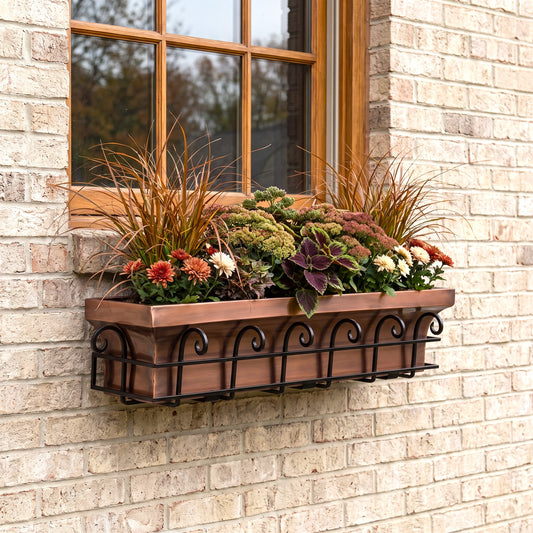
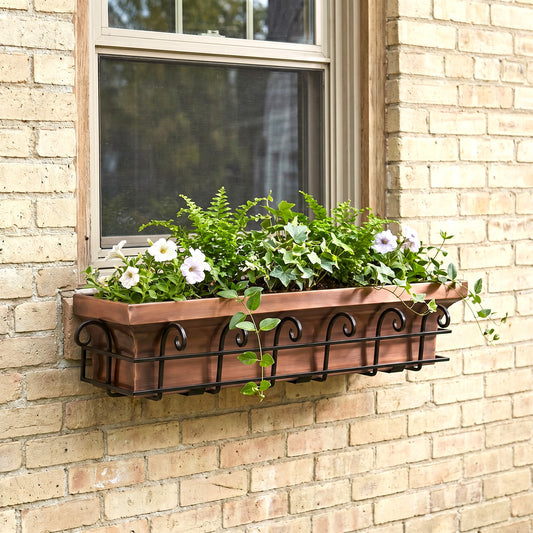
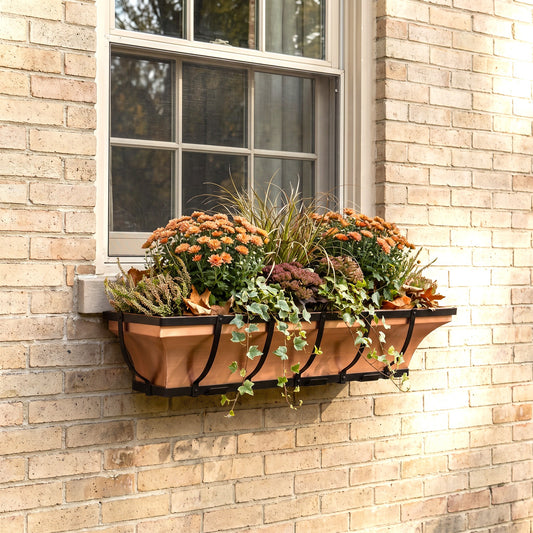
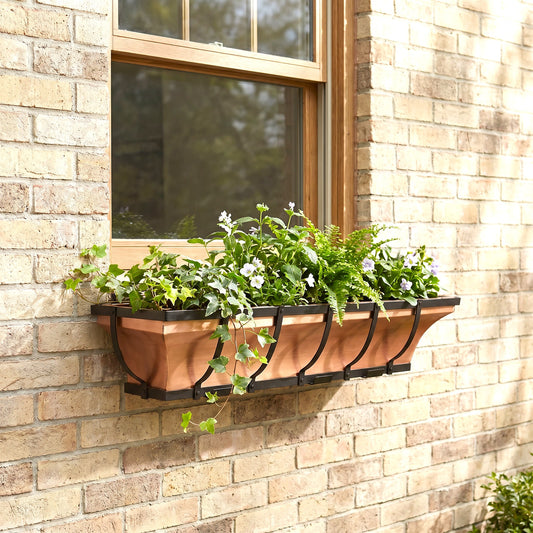
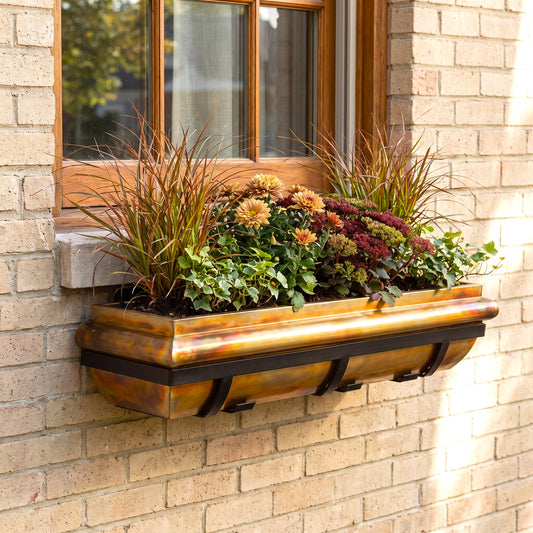
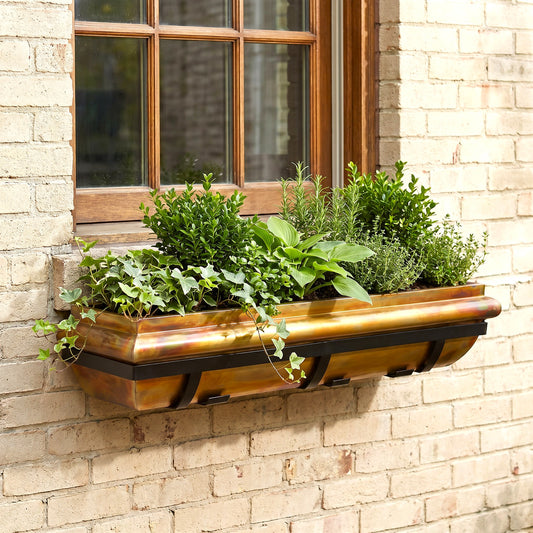
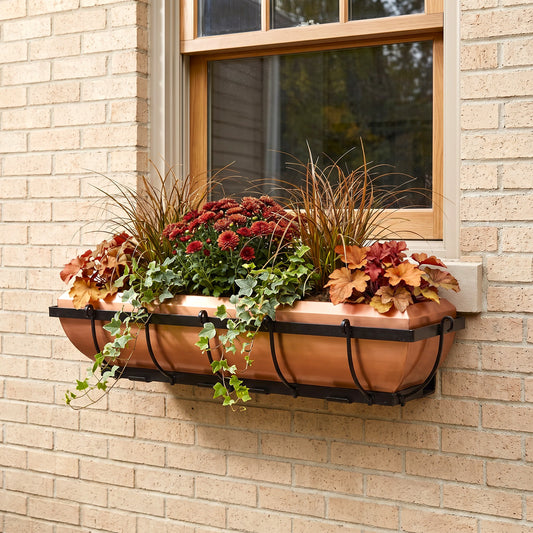
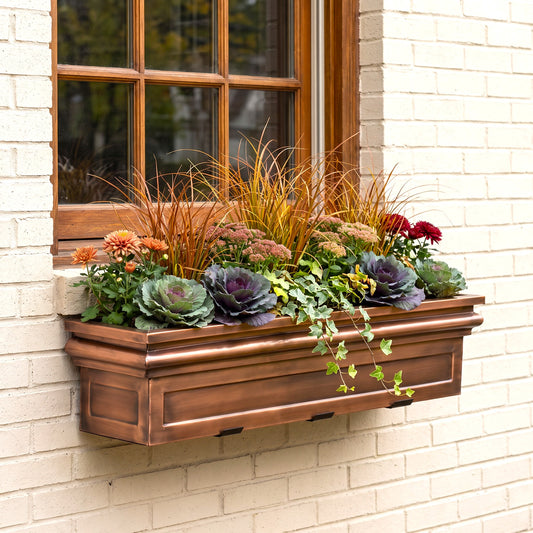
At H Potter, we offer a wide selection of carefully designed succulent pots in various sizes and styles. Whether you’re looking for sleek, modern pots or rustic, hand-crafted designs, we have the perfect option to complement your home decor and window box planters to house your new succulent friends.
Propagation and Pruning of Indoor Succulents
Propagation
Propagation is key to keeping your indoor succulents looking their best and ensuring they continue to thrive in your home or office. Growing succulents indoors through propagation is a rewarding way to expand your indoor garden, and it’s surprisingly simple with the right approach. Most succulents can be propagated from leaf or stem cuttings, division, or even layering, making them a diverse group of plants that are well suited for indoor containers.
To start propagating, select a healthy succulent plant with plump, fleshy leaves or sturdy stems. For leaf propagation, gently twist or cut a few leaves from the mother plant, then let the cut ends dry out for a few days until a callus forms. Once ready, place the leaves on top of well-drained soil—ideally a mix of potting soil and coarse sand—to encourage root growth. Water sparingly, allowing the soil to dry completely between waterings to avoid root rot. Overwatering is the number one cause of succulent failure indoors.
Stem propagation is just as straightforward. Cut a healthy section of stem, remove any lower leaves to prevent rot, and let the cut end dry before planting it in well-drained soil. Keep the soil lightly moist until roots develop. Division is another easy method, especially when repotting mature succulents. Simply separate the roots and replant each section in containers with proper drainage holes. For trailing succulents like String of Pearls or Burro’s Tail, layering works well—bend a stem down to the soil, secure it, and wait for roots to form before separating it from the main plant.
Pruning
Pruning is equally important for maintaining healthy growth and a tidy appearance. Regularly remove any dead or damaged leaves and stems to prevent disease and encourage new growth. For succulents with pendant stems, such as the String of Pearls or Burro’s Tail, trimming back the stems will promote branching and a fuller, more attractive plant. Always use clean, sharp tools and make cuts just above a node or joint for best results.
To keep your indoor succulents healthy, remember to avoid overwatering and provide good airflow around your plants. Succulents benefit from good air circulation to help dry soils and reduce the risk of pests such as spider mites. Most succulents thrive in bright, indirect light, but some species can adapt to lower light levels found in many indoor environments. During spring and summer, increase watering frequency slightly, but always let the soil dry out between waterings. In winter, reduce watering as most succulents enter a dormant phase and require less moisture.
Some of the best indoor succulents for propagation include Aloe Vera, Panda Plant, Ghost Plant, and Variegated String of Pearls. These species are well suited for indoor conditions, requiring minimal care and thriving in a range of lighting situations. From the blue-green leaves of the African Milk Tree to the oval-shaped leaves of Echeveria, propagating and pruning your succulents will help you create a vibrant, healthy indoor garden with lasting aesthetic appeal.
With a little attention to propagation and pruning, your indoor succulents will continue to flourish, adding unique beauty and life to your home or office.
Repotting Indoor Succulents
Repotting indoor succulents is an essential part of keeping your plants healthy and encouraging robust, healthy growth. Over time, even the most low maintenance succulents can outgrow their containers or exhaust the nutrients in their potting soil, making repotting a necessary step for long-term success. Since succulents thrive in well drained soil and indirect light, choosing the right pot and soil mix is key to preventing issues like root rot and ensuring your plants continue to flourish in your indoor setting.
When it’s time to repot, select a container with drainage holes—this is non-negotiable for indoor succulents, as excess water must be able to escape to keep roots healthy. Terracotta pots are a popular choice, as they allow for good airflow and help the soil dry out more quickly, reducing the risk of soggy roots. Fill your new pot with a well-draining potting soil blend, ideally one that combines coarse sand, perlite, and standard potting soil. This mix mimics the natural environment where succulents thrive and supports the development of strong roots and stems.
To repot, gently remove your succulent from its current container, taking care not to damage the roots or fleshy stems. If you notice the roots are tightly wound or pot-bound, use your fingers or a fork to carefully tease them apart. Place the plant in its new pot, making sure the soil level matches where it was previously, and fill in around the roots with your well drained soil mix. After repotting, water sparingly—succulents prefer infrequent watering, and the fresh soil will likely retain enough moisture for the first few days. Allow the soil to dry out completely before watering again to avoid root rot.
The best time to repot indoor succulents is during the spring and summer, when most species are actively growing and can recover quickly from the move. Avoid repotting in winter, as many succulents enter a dormant phase and may be more susceptible to stress. Some varieties, such as aloe vera, string of pearls, and burro’s tail, may need to be repotted more often as they can quickly outgrow their containers or develop long, pendant stems that benefit from a little extra space.
For a visually striking indoor garden, consider pairing your succulents with other plants that share similar care needs, like the panda plant or ghost plant. Mixing species with blue green leaves, oval shaped leaves, or trailing pearls can create a dynamic and diverse display that brings natural beauty to any room. With minimal care, the right potting soil, and attention to good airflow and indirect light, your indoor succulents will continue to thrive, adding unique charm and vibrant life to your home or office.
Popular Succulents to Consider for Your Indoor Garden
-
Aloe Vera
Known for its medicinal properties, aloe vera is easy to care for and has striking, spiky leaves. -
Jade Plant (Crassula ovata)
This plant is a symbol of good luck and thrives in indirect sunlight. -
Echeveria
A rosette-shaped succulent with a wide range of colors, from soft pastels to vibrant hues. -
Snake Plant (Sansevieria)
Also known as mother-in-law's tongue, this plant is nearly indestructible and can survive in low light. -
Burro's Tail (Sedum morganianum)
A trailing succulent with long, cascading stems covered in small, teardrop-shaped leaves.
Each of these succulents has its own unique charm, making them an excellent choice for adding texture and interest to your home.
Succulents are the perfect plants for anyone looking to bring a bit of nature into their home without the hassle of high-maintenance care. Their stunning variety, low water requirements, and adaptability make them an ideal choice for indoor gardening. With a little attention to their basic needs, your succulents will thrive and provide lasting beauty in your space.
So, whether you're a seasoned plant enthusiast or just starting your indoor garden journey, we hope this guide helps you feel confident in caring for your new succulent friends. Browse our collection of succulent plant pots at H Potter to find the perfect match for your plants, and enjoy the beauty and tranquility that succulents bring to your home.
For summer maintenance tips to keep your outdoor planters thriving, visit Summer Maintenance for Outdoor Planters - H Potter Blog Tips. Happy Gardening! Learn more about year-round garden care.
Decorating with Succulents
Decorating with succulents is a wonderful way to infuse your indoor setting with natural charm and vibrant color, all while keeping maintenance to a minimum. Succulents thrive in a variety of indoor conditions, making them ideal for creating eye-catching displays on desks, shelves, or as the centerpiece of your indoor gardens. Their diverse group of species offers endless possibilities for mixing textures, shapes, and hues—think the blue green leaves of the African Milk Tree paired with the oval shaped leaves of the Panda Plant, or the trailing stems of a String of Pearls cascading from a high shelf.
Terracotta pots are a classic choice for showcasing succulents, not only for their timeless aesthetic appeal but also for their ability to provide excellent drainage and promote good airflow around the roots. This helps prevent root rot, a common issue when excess water lingers in the soil. When arranging your succulents, consider combining upright varieties like Aloe Vera or the Ghost Plant with trailing succulents such as Burro’s Tail or the Variegated String. The unique forms of epiphytic cacti, like the Barrel Cactus, can add an unexpected sculptural element to your indoor environment.
Most succulents prefer bright, indirect light, but many species, such as the Ox Tongue, are well suited to lower light levels, making them perfect for rooms that don’t get full sun. For best results, place your succulents in spots where they’ll receive partial sun or filtered natural light, and rotate your containers occasionally to ensure even growth. Remember, infrequent watering is key—allow the soil to dry out completely between waterings, and always water at the base of the plant to keep the fleshy leaves and stems dry. This simple routine helps most succulents thrive and keeps your indoor garden looking its best.
To create a truly stunning display, experiment with different species and arrangements. The powdery blue leaves of the Ghost Plant, the yellow tones of the Yellow Ghost Cactus, and the delicate pearls of the String of Pearls can all be combined for a dynamic, layered look. Trailing succulents add movement and depth, while upright varieties provide structure and height. With their low maintenance needs and adaptability, succulents are well suited for any indoor environment, from sunny living rooms to cozy offices.
By thoughtfully selecting your species and containers, and by following a few simple care tips, you can create a thriving, beautiful succulent display that brings lasting joy and aesthetic appeal to your home or office. Whether you’re a seasoned plant lover or just starting out, decorating with succulents is a creative and rewarding way to enhance your indoor space.
Troubleshooting Common Issues with Indoor Succulents
Even though indoor succulents are celebrated for their low maintenance, they can occasionally face challenges if their basic needs aren’t met. Here are some common issues and solutions:
-
Overwatering:
Overwatering can quickly lead to root rot—a condition where the roots of your succulent plant become mushy and discolored.
Solution: Always use pots with drainage holes and fill them with well-drained soil or a specialized potting soil mix designed for succulents. Let the soil dry out completely between waterings to mimic their natural environment. If you notice your succulent’s leaves turning yellow or the plant looking wilted despite moist soil, root rot may be the culprit. Stop watering immediately, remove the plant from its pot, trim away any affected roots, and repot it in fresh, dry, well-drained soil. Adjust your watering frequency to ensure the soil never stays soggy. -
Pests (Spider Mites, Mealybugs):
Pests like spider mites and mealybugs can trouble indoor succulents, often hiding on the undersides of leaves or in crevices.
Solution: Regularly inspect your plants for any signs of webbing, sticky residue, or tiny moving dots. If you spot pests, treat your succulents promptly with insecticidal soap or neem oil, and isolate the affected plant to prevent the problem from spreading to other plants. -
Light Issues:
If your plant starts to stretch out, lose color, or become leggy, it may not be getting enough natural light.
Solution: Move it to a sunnier spot with bright, indirect light, or supplement with a grow light if your indoor setting doesn’t provide enough illumination. While some succulents can tolerate lower light levels, most need plenty of light to truly thrive. -
Airflow and Fungal Diseases:
Poor airflow can lead to fungal diseases, which can develop in humid or stagnant indoor environments.
Solution: Make sure your succulents aren’t crowded together, and avoid getting water on the leaves or crown of the plant. Use well-drained soil and pots with drainage holes to help your succulents thrive in any indoor setting.
By staying attentive to these common issues and making small adjustments as needed, you’ll ensure your indoor succulents remain healthy, vibrant, and a beautiful addition to your home or office.
Conclusion: Bringing Nature Indoors with Succulents
Indoor succulents are a diverse group of plants that offer endless possibilities for enhancing your indoor setting with natural beauty and style. With their striking shapes, vibrant colors, and unique textures—from the oval shaped leaves of the African Milk Tree to the blue green leaves of the epiphytic cactus—succulents can transform any space into a lush, inviting retreat. These plants are well suited to a variety of indoor environments, thriving in both bright, indirect light and lower light levels, making them a perfect fit for homes and offices alike.
One of the greatest advantages of growing indoor succulents is their minimal care requirements. With well drained soil, good airflow, and a careful approach to watering, you can avoid common pitfalls like root rot and keep your plants healthy and flourishing. Succulents are ideal for busy lifestyles, as they require infrequent watering and are naturally adapted to thrive with little intervention.
Whether you’re looking to create a statement piece with the bold, architectural form of an African Milk Tree or add a touch of whimsy with the delicate, trailing stems of an epiphytic cactus, there’s a succulent to suit every taste and space. Their ability to thrive in a range of indoor conditions makes them a versatile and rewarding choice for both new and experienced plant enthusiasts.
By following the simple tips outlined in this guide—choosing the right light, using well drained soil, avoiding overwatering, and ensuring good airflow—you’ll set your indoor succulents up for healthy growth and lasting beauty. With just a little attention, these low maintenance plants will reward you with vibrant color, unique forms, and a calming presence that enhances any indoor setting.
Bring a touch of nature indoors with succulents, and enjoy the many benefits they offer. Whether you’re starting your first indoor garden or expanding your collection, succulents are sure to inspire and delight for years to come.