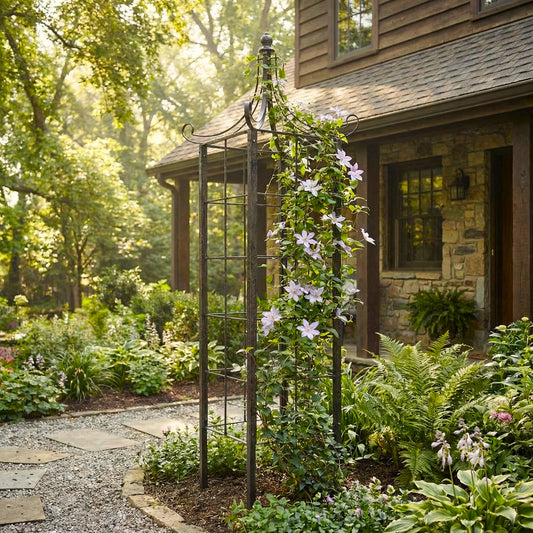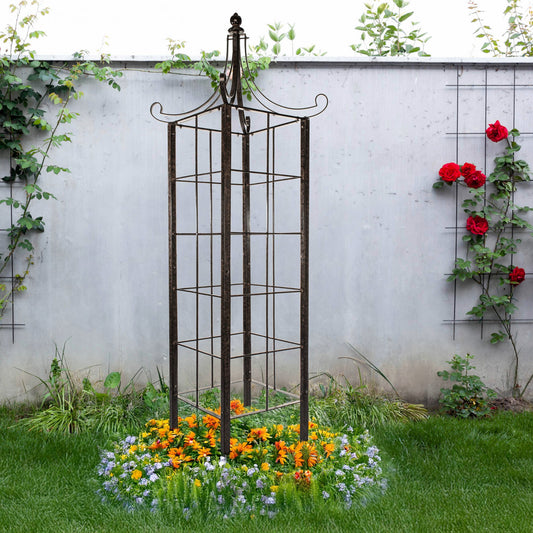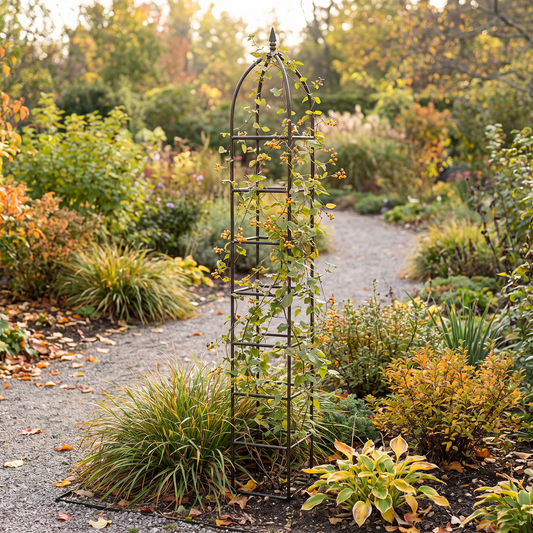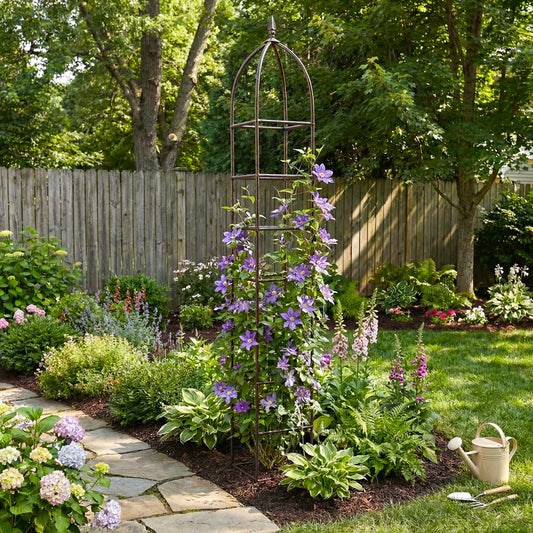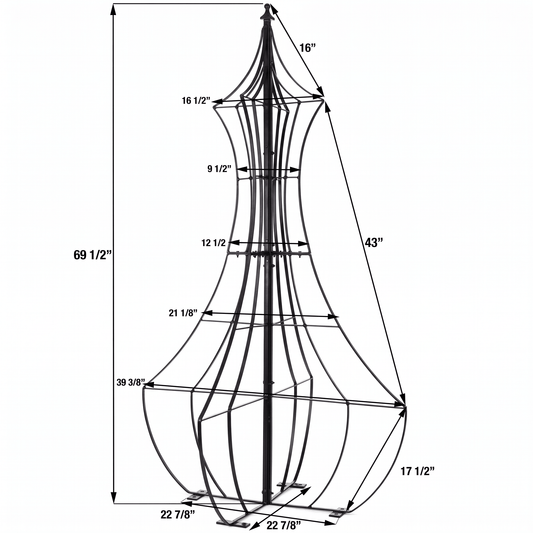
How to Train Vining Plants on a Garden Trellis
A Practical Approach to Training Vining Plants
Training vining plants onto a trellis is one of the most rewarding ways to shape a garden. Done correctly, it encourages healthier growth, improves air circulation, and creates a more intentional, structured outdoor space.
At H Potter, with nearly 30 years of experience designing garden structures, we’ve seen how proper plant training can dramatically improve both the look and longevity of climbing plants. Whether you’re working with flowering vines, edible climbers, or ornamental greenery, understanding how each plant grows is key to success.
For guidance on selecting the right structure for your plants, explore our Complete Trellis Buying Guide.
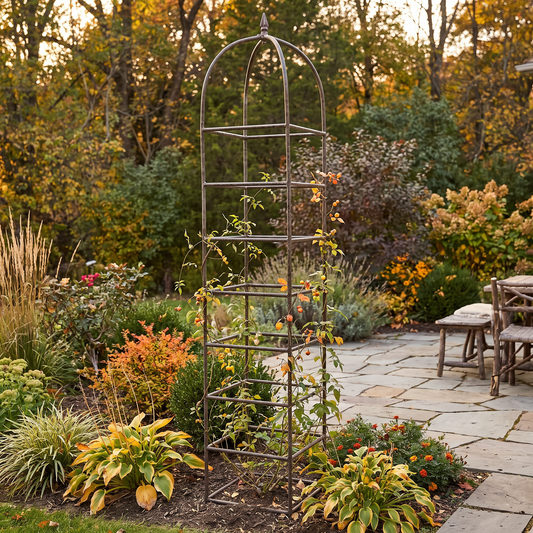
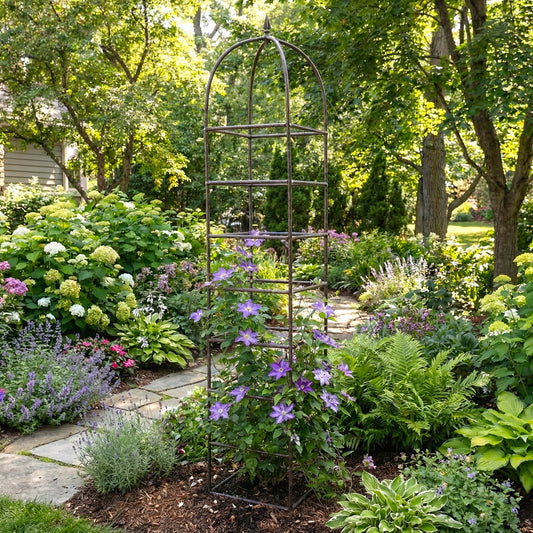
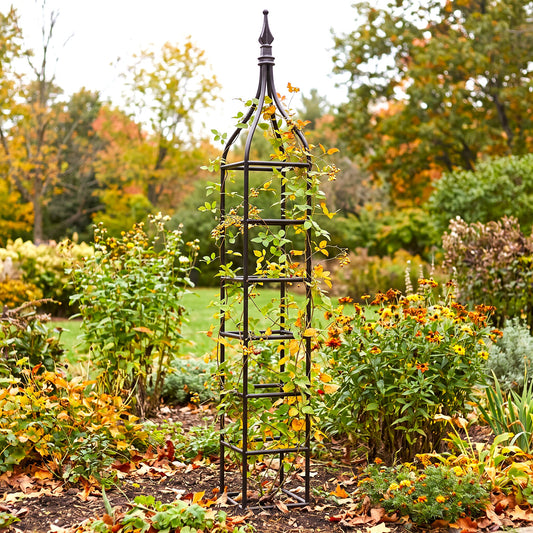
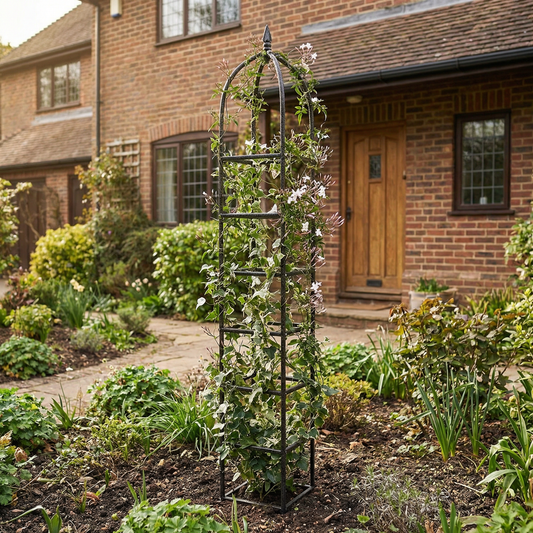
When it comes to vertical gardening, trellises are certainly the best method of providing support for vining plants that want to grow skywards. The structure of a trellis provides lighter plants with the support that their naturally lighter limbs lack, but how do you train your climbing plants to grow up your metal trellis?
Having a great vertical garden only requires a few simple steps which can be implemented by simply starting right, keeping an eye on your plants as they grow, and assisting them upwards.
Helpful companions: explore our garden trellises, browse garden obelisks, or read Best Climbing Plants for Trellises.
Setting the Stage
The first step in any gardening adventure is always the most important. When, what, and where you plant sets the stage for the entire gardening process. Once you have planned out this simple gardening checklist, you can begin installing your trellising and planting your climbing vines.
When choosing trellising, make sure to choose a solid and durable material. Removing trellising from a climbing plant will be a difficult task after a year or two of growth, so having a product that will last for years is not only better for your plants, but also for the gardener. Metal trellises are a great option for climbing plants and vines because of their longevity and ability to hold more weight than a wood or plastic option.
Stake your trellis firmly in the ground. Trellis stability will become ever more important as the climbing plants grow heavier over each growing season. An insecure trellis is at risk of falling, and presents a hazard to the gardener and to the plant itself. Once the trellis is firmly set, plant your climbing greenery beneath the trellis and begin to watch for small vines and tendrils that are attempting to grow upwards.
Training Your Climbing Plants
Before you begin to actively train your climbing plants, make sure the plant is at a healthy height and has enough vines to begin the process. Don’t start too early before the plant begins to fill out, but make sure to start before the vines start growing wherever they might want to.
Once the vines begin reaching up and out, begin to tie them gently to the trellis. Stay away from harsh materials such as wiring to tie the plant to the trellis and instead use twine, other gardening string, or another softer material to secure the climbing vines to the trellising. Using a harsher wire can result in harm to the delicate young vines on the plant, so it is best to stay away from these options.
As the vines grow, continue to tie them off to higher parts of the trellising, and slowly remove lower support as the vine becomes trained to grow up the trellis.
For plant ideas, see Best Climbing Plants for Trellises. For placement advice, see 5 Best Places to Install Your Trellis.
Continued Care for Climbing Plants
As your climbing plant becomes more used to vertical growth, the gardener’s job gets increasingly easier. The vines themselves will work their way up your tall trellis and only those vines that grow erratically will need to be trained.
At the end of the growing season, make sure to properly prune your climbing plants to promote healthy growth next year. Remember that different plants will require different levels of pruning, with flowering plants likely needing to be pruned throughout the summer growing season and other types needing to be pruned primarily at the end of the year. The key to pruning is simply to create room for new vines and flowers, while also limiting the size of your plant to the area of the trellising.
Training a climbing plant is a surprisingly simple way to add a professional appearance to your home, so don’t be afraid to give it a try. Remember that the key to training your plants vertically is just to pay attention to the growth of the plants and their progress upwards. Happy gardening!
Training Makes the Trellis Come Alive
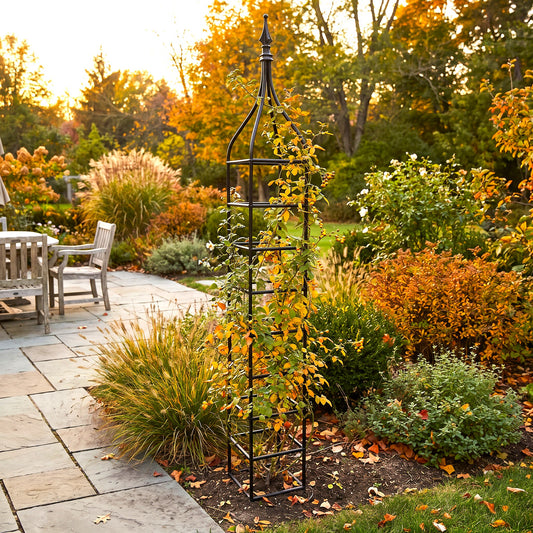
A trellis gives a vining plant the opportunity to do what it naturally wants to do, but in a way that looks cleaner, healthier, and more intentional in the garden. With the right support, gentle tying, and a little patience, even a simple climber can become one of the most attractive features in your outdoor space.
Related Trellis & Planting Resources
- Shop Garden Trellises — durable support for flowering vines and climbing plants
- Garden Obelisks — strong vertical structures for taller climbers
- Best Climbing Plants for Trellises — popular plant choices for vertical growth
- Can a Trellis Be Freestanding? — choosing the right kind of support structure
FAQs: Training Vining Plants on a Trellis
Start once the plant has enough healthy growth to guide, but before the vines begin spreading too far in the wrong direction.
Use soft materials such as twine, garden string, or other gentle ties rather than harsh wire that can damage young vines.
A metal trellis is durable, long-lasting, and able to support more weight over time than many lighter wood or plastic options.
Yes, especially early on. As the plant continues growing, you will likely need to tie new growth higher and guide any vines that wander off course.
Usually, yes. Pruning helps create room for new growth and keeps the plant within the space and shape of the trellis, though exact timing varies by plant type.