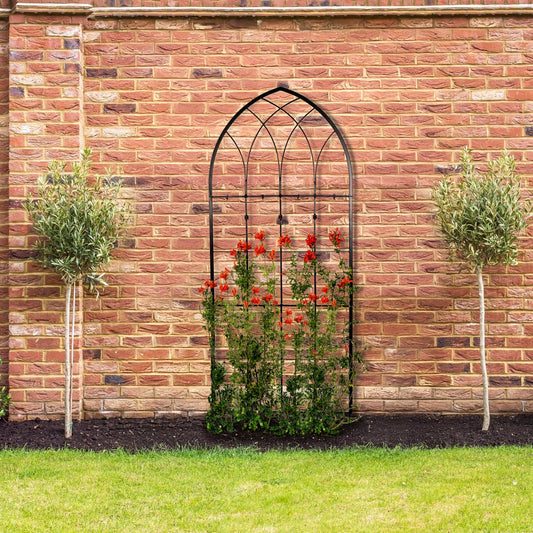
The History of Garden Trellises: From Ancient Gardens to Modern Design
This blog article is the second in our series of brief histories about gardening architecture and implements. In our last article we talked about the architectural history of obelisks from ancient Egypt to modern America; in this article we will take a dive into the world of trellising.
Our Historical Perspective
Garden structures are never just practical objects. They carry with them ideas about beauty, shelter, architecture, and the changing way people have shaped the landscape over time. At H Potter, with nearly 30 years of experience designing garden structures, we’ve long appreciated the way trellises bridge those worlds, serving both the plant and the garden while reflecting design traditions that stretch back centuries.
For practical guidance, explore our Complete Trellis Buying Guide
Compare trellises with garden arbors, or read more about creative ways to use trellises in garden design.
Ancient Trellising
Trellising has been around for centuries, with ancient murals showing its use around the ancient Mediterranean. However, unlike larger historical ruins and artifacts, all we know about these ancient trellises is dependent on several images that only prove that they existed. This problem arises with these types of artifacts, as the wooden structures are simply incapable of surviving long enough to give us a physical record.
Late Medieval Designs
Most of our architectural records of trellises began to appear during the late years of the Middle Ages and the Renaissance. Originally these trellises began to take the form of arbors and pergolas in the gardens of the wealthy. These garden fixtures were created in arch formations that were often made to create sanctuary in nature. Because of this relationship to the sanctuary, they were often made to look like the churches and grand cathedrals that were characteristic of Europe during the time.
Becoming the Focal Point of the Garden
These earliest modern trellises were in fact more arbors than they were trellises as we see them today. Trained hands used the large wooden structures to train flowers and other large bushes and plants to magnify their lush and green gardens. These trellises drew the eye to the focal point of the garden, which was often displayed along wooden structures, with the myriad of different plants and flowers that were grown by the gardeners during this time period.
Sanctuaries in the Garden
These arbor and pergola shaped arches were primarily focused on the training of flowers and other greenery, while relying less on the structure that was underneath. Today tunnels like these are exemplified in medieval style gardens that focus primarily on the plants. However, the guiding pillars of these trellises were important in laying the foundation for more complex carpentry in the future.
The Emergence of Treillage
During the 17th and 18th centuries, trellising or as it would be referred to “treillage” became a popular way to ornament the garden among the upper class of Europe. In France and Italy especially, these large wooden designs were used liberally by royalty, and those wealthy enough to fund the incredible pieces of art that were created in these gardens. The art of trellising was often through carpentry, as skilled carpenters were commissioned to create grand designs that would complement the homes and palaces where they were built.
Later Designs
In Italy, trellising was primarily used along pathways and garden walls. This technique mirrored many of the old trellises from the Middle Ages, that were created to provide a tunnel or sanctuary in the garden. Meanwhile, the French used their treillage to surround promenades and create sweeping arbors that were highly ornate structures. Trellises provided the basic support of these doorways, arches, and arbors that were present within the palaces of the over-the-top French kings.
Arrival in New Places
As the trend of trellises would gain steam in France and Italy, the design was eventually picked up by English architects and artists. For some time, these vivid designs were spread throughout the gardens that were popular among the people. However, the sensibilities of the people and the price of these short-lived wooden structures were seen quickly and the artwork went out of style quickly.
End of the Treillage
As the 18th century arrived and came to a close, the days of the treillage had all but ended. Like the sympathies in Britain, the French and Italian nobles no longer wished to adorn their homes and gardens with the wooden structures they had previously loved. The short-term existence of these trellises combined with their exorbitant price made their upkeep eventually impossible, and eventually these grand garden exhibits were discarded for new styles and designs.
Bringing the Trellis Back to the Home
Following this period of high artwork and gaudy carpentry, trellises once again became what they were originally, the cornerstone of the home garden. Many trellises were soon a part of home gardens. These home gardens supplemented the kitchens of many homes, and kept the produce that they were able to grow close to home. These trellises were much less concerned with their grace and style, and more concerned with their functionality.
Trellises Today
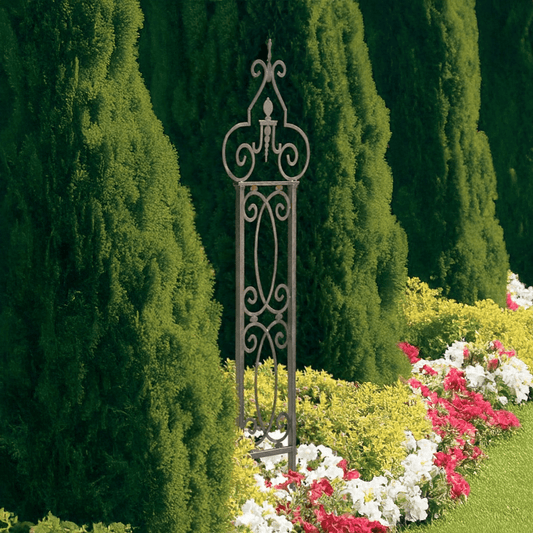
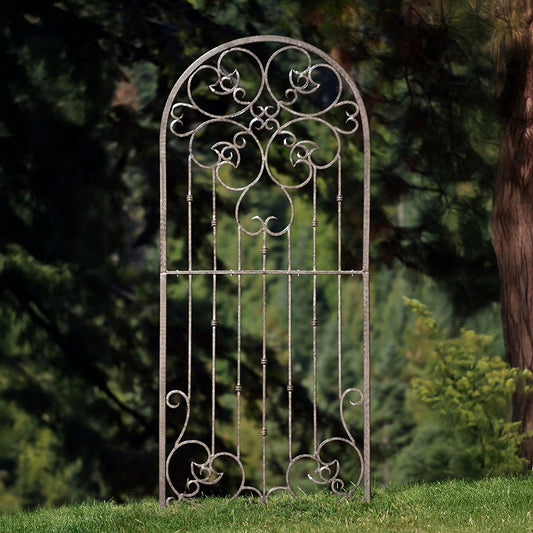
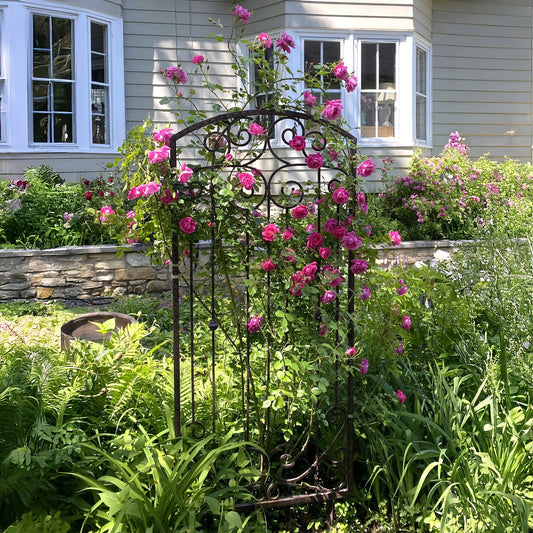
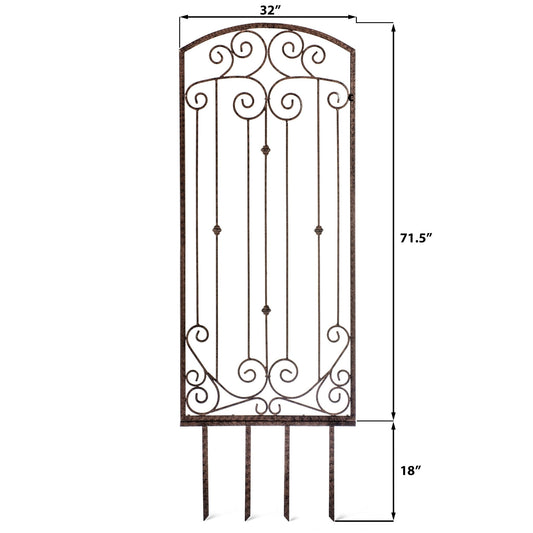
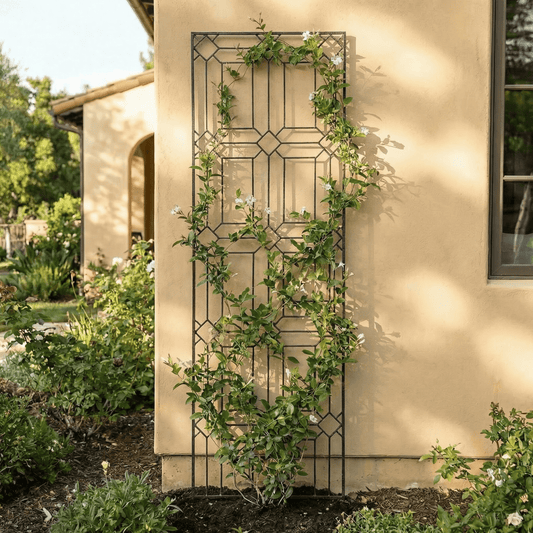
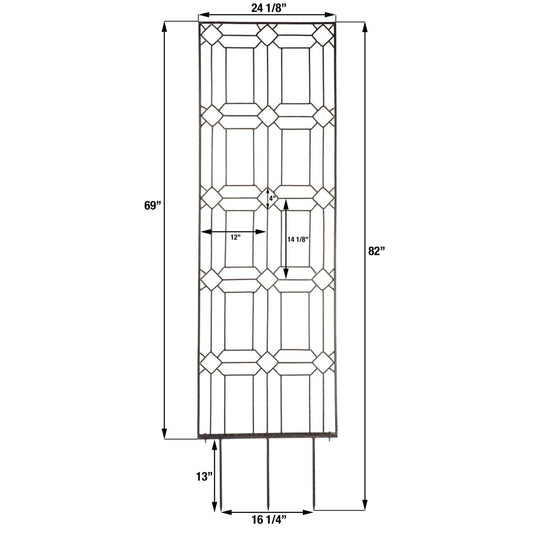
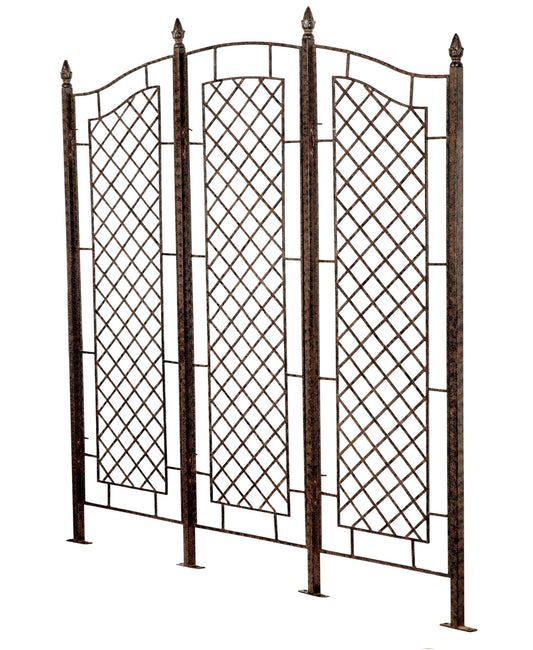
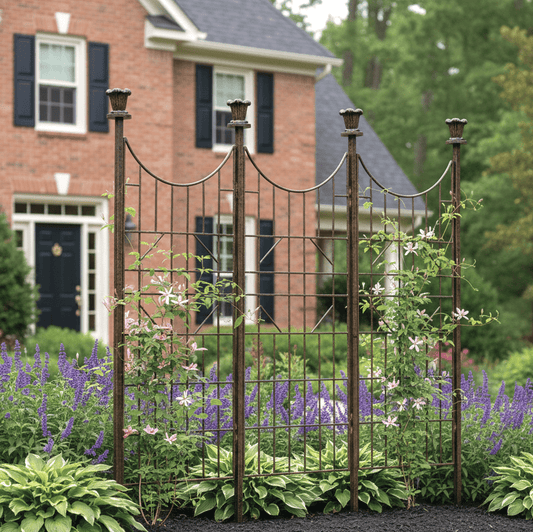
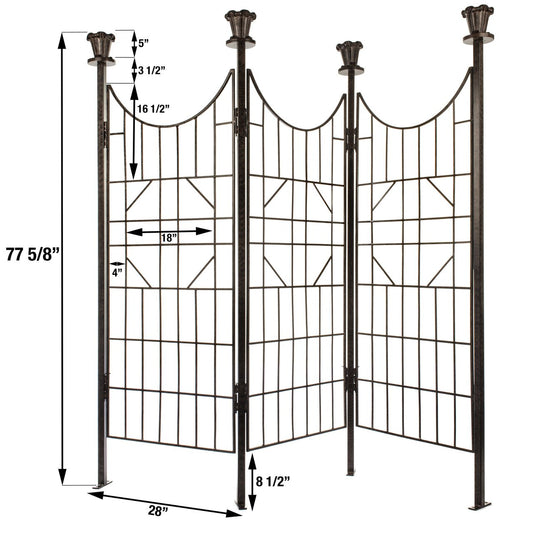
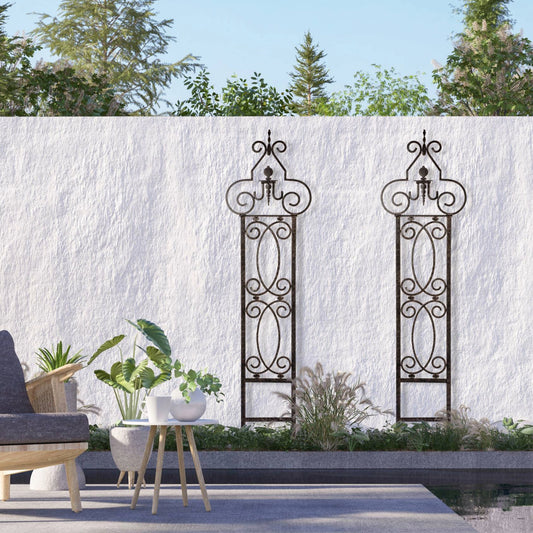
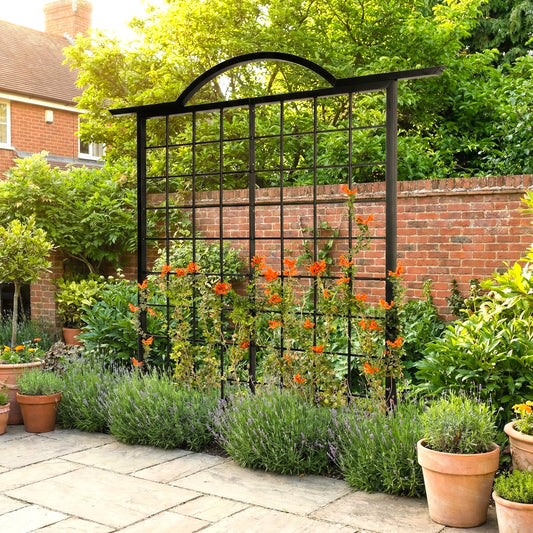
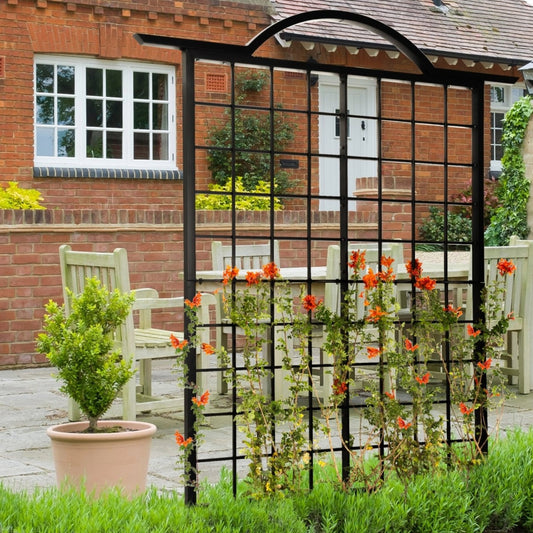
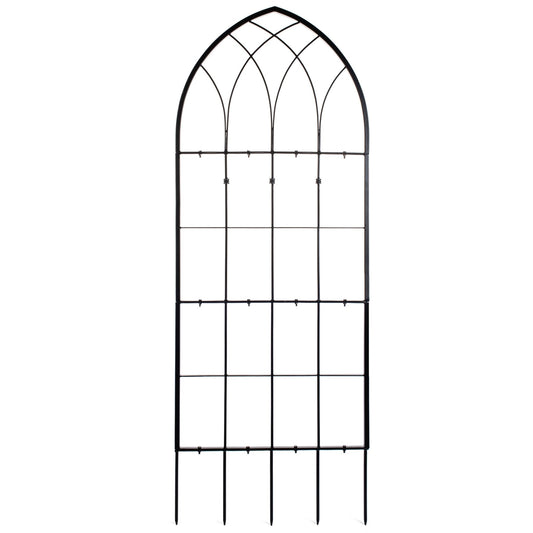
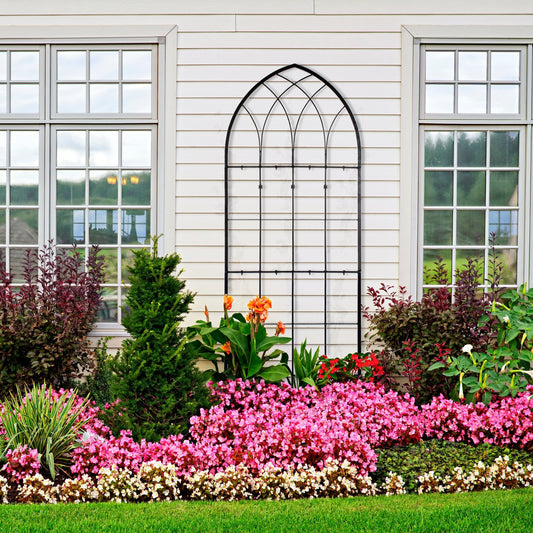
For many years this trend continued, as the trellis continues to evolve in its use throughout the gardening world. While many arbors and larger garden structures remain primarily decorative, as an additive to the garden, trellises are so unique in their function to more than adequately perform both of these functions. At H Potter, our designs seek to combine the beauty and style of the old treillage period, while also combining this with the durability and use that was so popular among many people years ago, and continues to be today.
Related reading: Can a Trellis Be Freestanding? and Designing With a Metal Garden Trellis.
Why Trellises Continue to Matter
The history of trellising is, in many ways, the history of the garden itself: shelter and openness, beauty and utility, structure and growth. Trellises have changed in style, material, and scale over the centuries, but their appeal has remained remarkably steady. They continue to shape the garden not only by supporting plants, but by giving order, rhythm, and meaning to the space around them.
Related Trellis & Garden History Resources
- Shop Garden Obelisk Trellises — modern trellises inspired by both beauty and function
- Garden Arbors — the larger architectural cousins of the trellis
- 10 Creative Ways to Use Trellises in Your Garden Design — present-day ideas for using trellises beautifully
- The Timeless Allure of Metal Garden Trellises — why classic trellis design still resonates today
FAQs: The History of Trellises
Trellising has been around for centuries, with evidence appearing in ancient Mediterranean imagery, although very few physical examples survived because early trellises were typically made of wood.
Treillage was the ornate European tradition of trellis design that became especially popular in the 17th and 18th centuries, particularly in France and Italy, where elaborate wooden garden structures were used for ornament and display.
Their upkeep was expensive, their lifespan was limited, and tastes changed over time. As a result, many of the grand treillage structures eventually gave way to newer garden styles and more practical uses.
After the period of highly ornamental treillage, trellises returned to simpler domestic gardens where they were valued more for function, especially for supporting useful plants and making the most of garden space.
Trellises remain useful because they continue to offer both beauty and practicality. They support climbing plants, add structure, and help shape the garden in ways that still feel timeless.