Best Climbing Plants for Garden Trellises
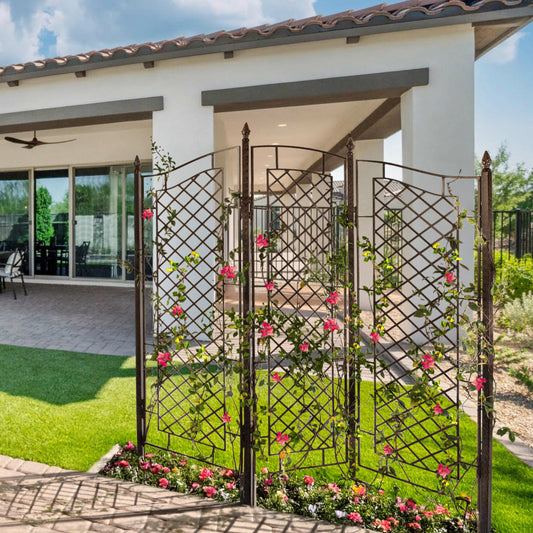
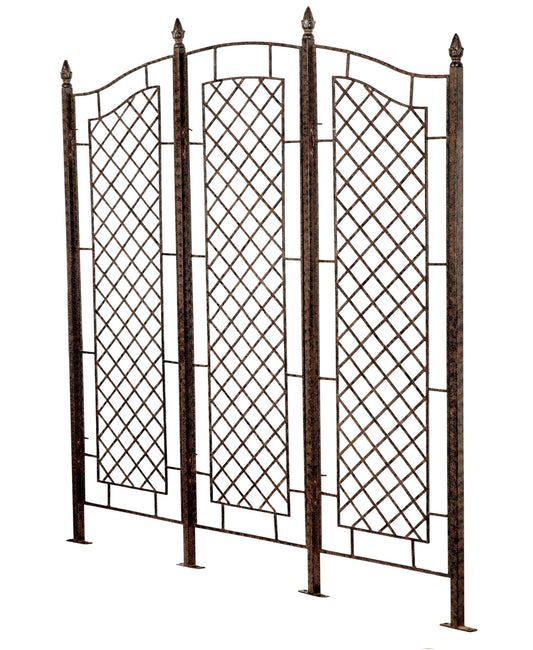
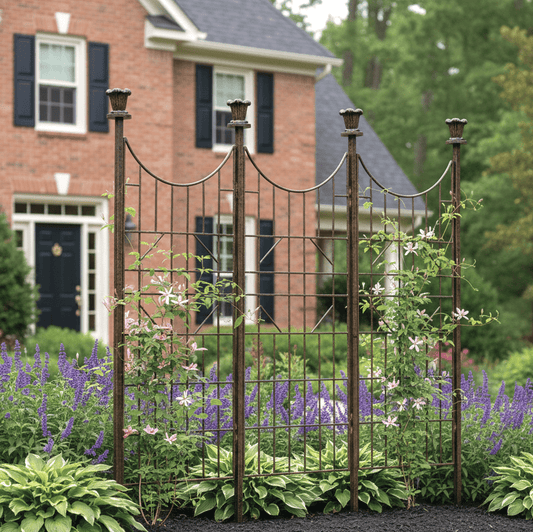
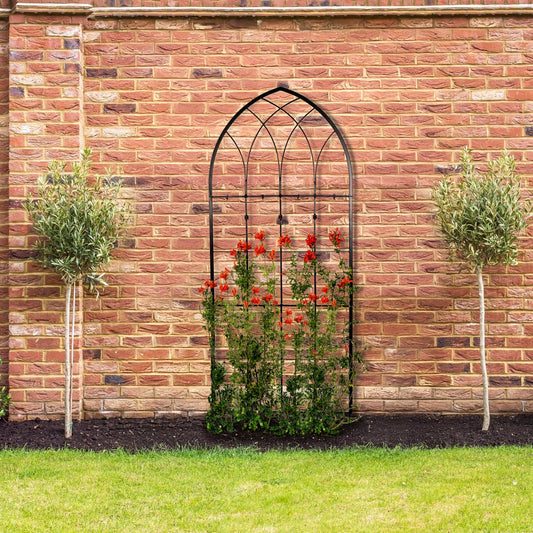
Climbing plants for a trellis add to the vertical dimension of the garden, providing a vertical complement to the rest of the garden, framing and funneling the attention into the garden. However, climbing plants will need support to create this vertical wall within outdoor spaces—using a garden trellis or trellis archways. One of the best supports for these plants is a tall garden trellis or trellis archway. Trellises provide support to heavy plants and give them the necessary vertical space to grow and become a towering feature of your garden. The height of a garden trellis and the climbing plants that love to grow on them naturally go together. While many of us are familiar with different trellising systems and styles, we don’t always know the best climbing plants for a trellis. In this article we share a few options in the realm of climbing plants that a gardener may wish to grow on a garden trellis or trellis archway.
Choosing the Right Plants for Your Trellis
The success of a trellis depends just as much on the plants you choose as the structure itself. Different climbing plants grow in different ways—some twine, some cling, and others need to be trained—so selecting the right pairing is key to both beauty and long-term performance.
At H Potter, with nearly 30 years of experience designing garden structures, we’ve seen how the right combination of trellis and plant can completely transform a space. From flowering vines to edible climbers, thoughtful plant selection brings structure, movement, and seasonal interest to the garden.
For help choosing the right trellis to support your plants, explore our Complete Trellis Buying Guide.
Clematis
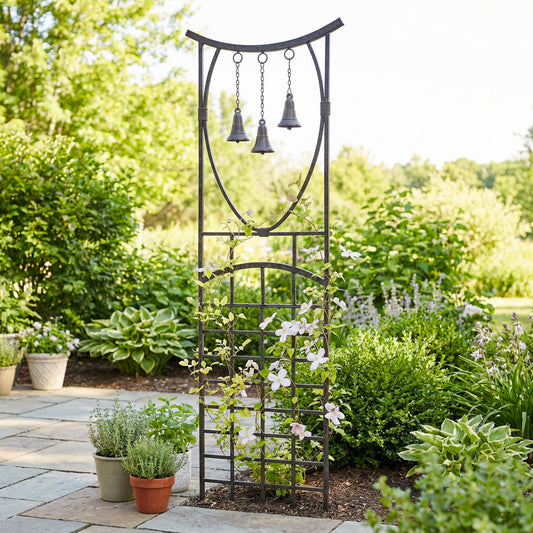
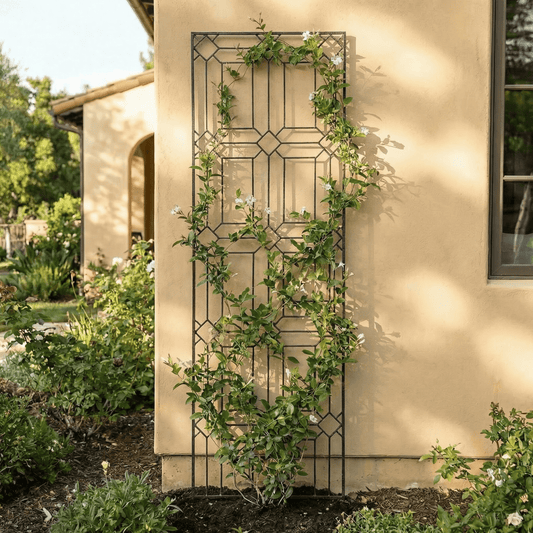
We’ll start this list with a classic option: Clematis. It is a favorite among gardeners of climbing plants, and it’s one of the best climbing plants for a trellis. This plant comes in a number of different types, with blooms in a variety of colors ideal for a garden trellis. These plants are relatively easy to plant and thrive in partial to full sunlight, making them ideal for a garden trellis. So make sure they’re in a spot that gets plenty of sun! These plants will often take about 2–3 years to reach their full size, but will produce a hardy plant anywhere from 6–20 feet tall.
Nasturtium
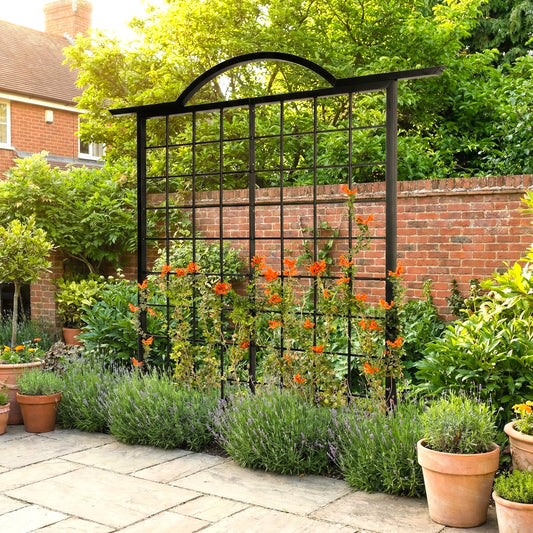
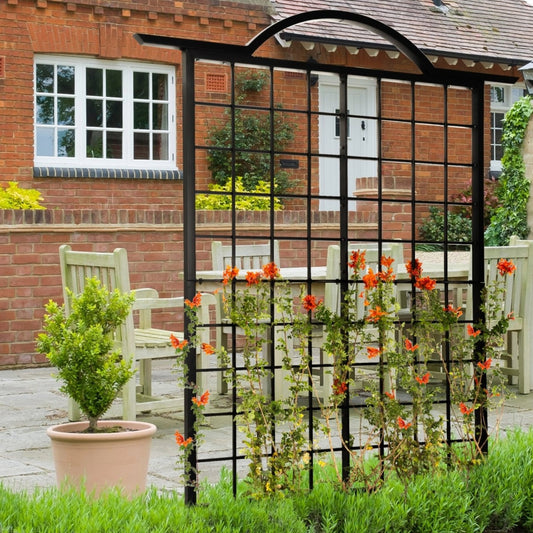
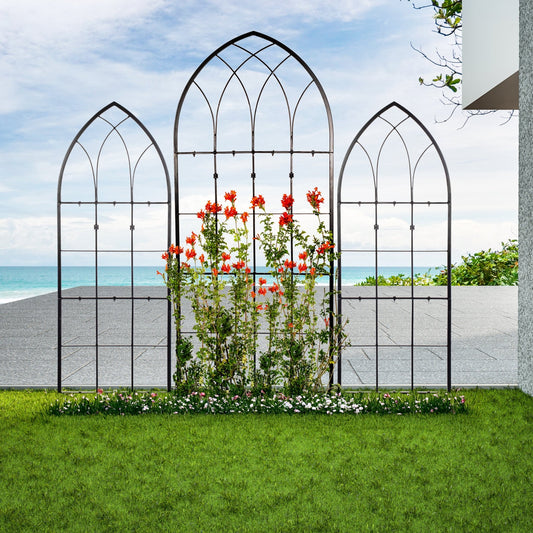
Nasturtium comes in a wide variety of sizes and bright colors, with some of these plants only growing about 1 foot tall and others around 10 feet. For trellising, select one of these taller species of Nasturtium and train these hardy climbers while they are younger to properly climb the trellis. This plant is particularly fond of sunshine and will thrive in the direct sun, though it will need to be consistently watered to produce the best looking vines and flowers. Explore explosively bright colors when looking to add the best climbing plants for a trellis.
Bougainvillea
While this plant falls a little more into the creeper/shrub category, it is still capable of growing up a trellis. Bougainvillea is a sun-loving plant that will need around 6 hours of sunshine a day, preferring a drier climate. These plants can grow to be relatively tall and are naturally a sturdy and heavy-duty plant. These plants are considered fast growers by botanical standards and will pretty quickly take up space on a wall or trellis, though they are not an invasive or aggressive plant. Be careful with these plants though, as they have thorny branches that might be dangerous for smaller children.
Climbing Hydrangea
Hydrangeas are a beautiful plant, and the climbing variety is the perfect plant for a garden trellis. These plants will grow quickly and will start producing blooms after a few years, however these full and glorious blooms are worth the wait and will add grace and elegance to your garden like no other. The blooms are also resistant to almost any type of sun exposure, whether they are in sunlight or shade. Hydrangeas can get very tall and you will likely need to prune these fast growing plants even though they are not particularly invasive or aggressive among other plants in the garden.
Wisteria
Wisteria is a purple blooming vine that will drape itself extraordinarily around the trellises in your garden. The thick vines grow at a pace of nearly 20 feet a year and can be invasive, so diligent pruning is necessary to keep these plants contained as they are semi-invasive and could take over your entire garden if not taken care of properly. Different types of Wisteria will also come in a number of different scents and fragrances, so choosing one that you enjoy is key. Be careful with these plants however, as they are poisonous to many of our furry friends.
Climbing Roses
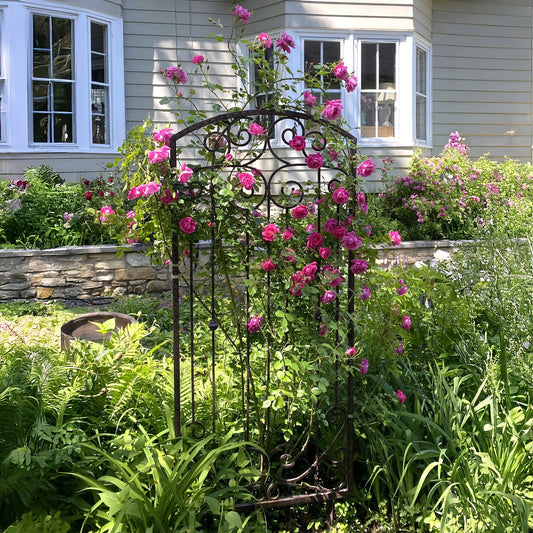
Climbing Roses are the perfect addition to any garden space, adding both class and beauty to the garden. Roses are certainly the king of all flowers, and having the climbing variety growing up the trellises in your garden brings this regal feel to the home. These bushes are relatively hardy and will do best in partial sunlight. They will often grow upwards of 6–8 feet, reaching nearly 12 feet tall for some types. These roses will also come in a handful of different colors, so while the classic crimson red embodies the rose, don’t be afraid to experiment with white roses, or a softer pink or red.
Sweet Pea
We’ll close this list with a climbing plant that is both practical and beautiful. The flowering Sweet Pea plant won’t provide your garden with quite the same visual weight that others do, but it will provide wonderful flowers that are a little smaller. Sweet Pea plants themselves won’t grow much taller than about 6 feet, but they are a fun plant that can add fragrance, softness, and a lighter climbing presence to the garden trellis.
Choosing the Right Plant for Your Trellis
Every trellis and every garden are a little different, so the best climbing plant is often the one that fits both your structure and the way you like to garden. Some gardeners want quick growth and drama. Others want flowers, fragrance, or a more controlled and elegant look. What matters most is pairing the plant’s natural habit with a trellis strong enough to support it well over time.
You may also enjoy: Can a Trellis Be Freestanding? and 10 Creative Ways to Use Trellises in Your Garden Design.
Related Trellis & Planting Resources
- Shop Garden Trellises — trellises designed for both beauty and real climbing support
- Large Garden Trellises — strong supports for vigorous climbers
- How to Train Vining Plants on Your Trellis — practical guidance for better growth and shape
- 5 Best Places to Install Your Trellis — placement ideas for healthier plants and better garden design
FAQs: Best Climbing Plants for Trellises
Clematis, nasturtium, bougainvillea, climbing hydrangea, wisteria, climbing roses, and sweet pea are all popular choices, depending on your climate and garden style.
No. Lighter annual climbers may do well on a more delicate support, while heavier and more vigorous plants like wisteria or climbing hydrangea need a much stronger trellis structure.
Nasturtium, bougainvillea, and wisteria are all plants that appreciate strong sun, though specific needs can vary depending on variety and climate.
Yes. Climbing roses are one of the classic choices for trellises and can create a timeless, elegant garden effect when properly trained and supported.
Consider sun exposure, climate, growth habit, mature size, maintenance needs, and whether your trellis is strong enough to support the plant as it matures.