Best Places to Install a Trellis for Privacy, Plants, and Garden Design
Adding a trellis to your garden is one of the best ways to maximize your growing space with vertical beauty—while also adding a pinch of “wow” to your beds, walls, and outdoor rooms. But where should you install a garden trellis for the most impact? Below are five classic, functional, and stylish places to put a trellis—plus the placement details that make everything grow (and look) better.
Before adding plants, make sure your structure is anchored correctly. For step-by-step mounting, spacing, and anchoring recommendations, see our complete trellis installation guide. Proper installation ensures your trellis supports mature climbing plants, wind load, and long-term outdoor use.
Our Practical Approach
A trellis should do two things at once: create a stronger, healthier growing pattern for your climbers and add structure that looks intentional in every season. At H Potter, we’ve spent decades designing garden structures that hold up to real outdoor use—wind, weather, and vigorous vines—so the placement advice below focuses on the details that matter: sunlight, airflow, access for maintenance, and anchoring.
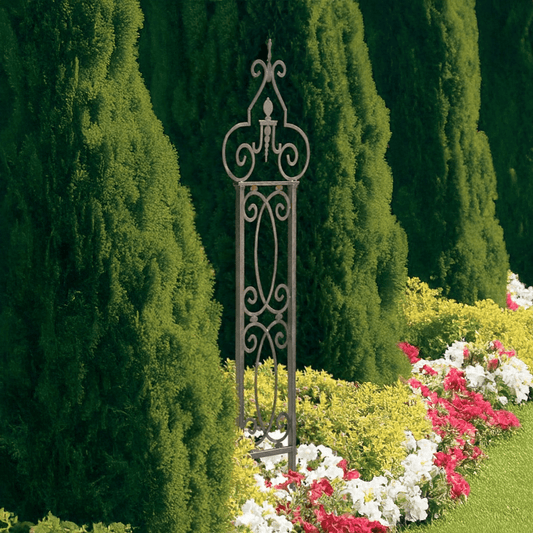
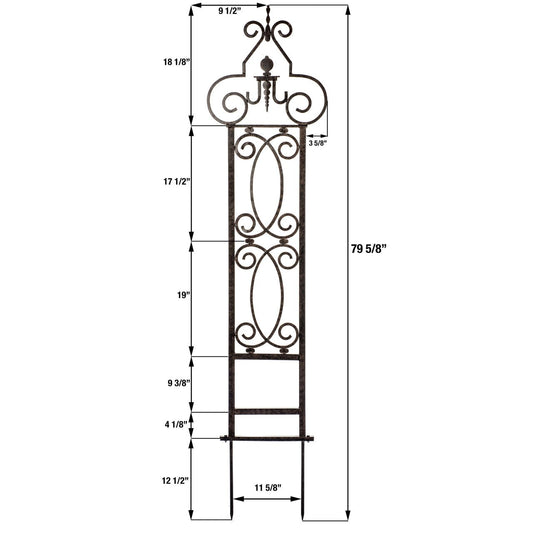
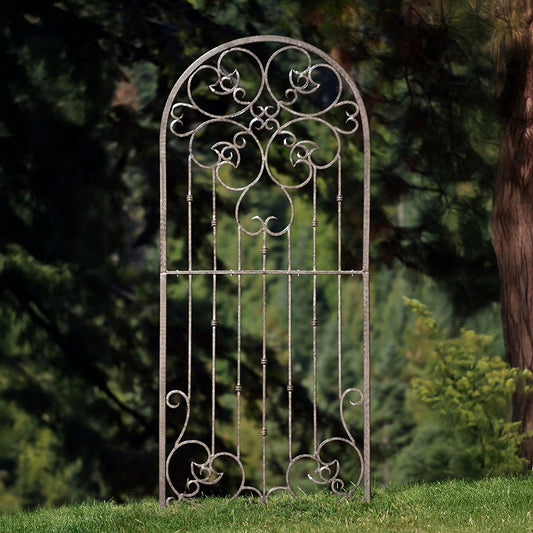
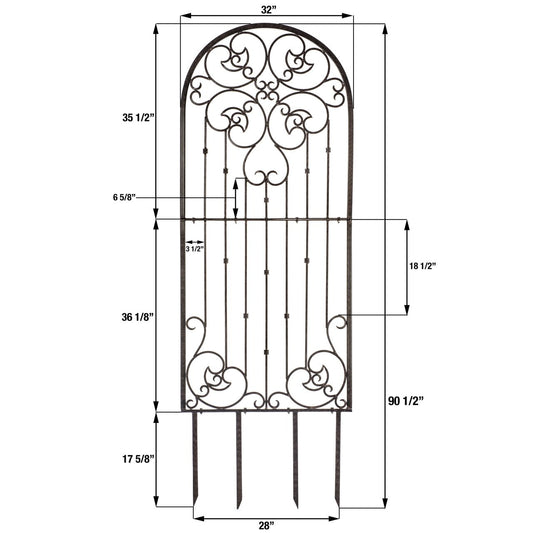
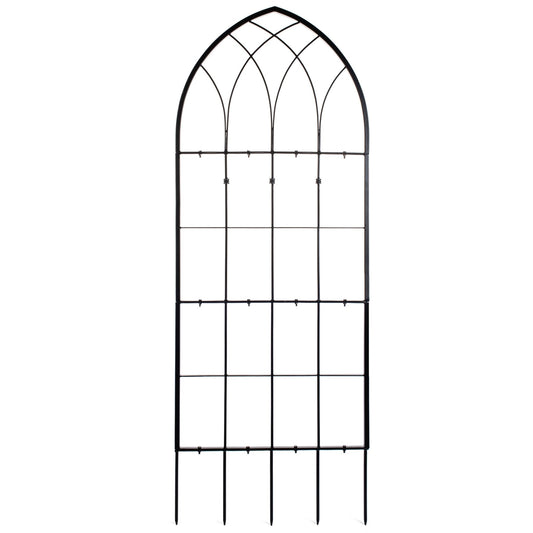
Looking for specific styles? Explore our full collection of garden trellises and our curated selection of decorative wall trellises.
A Quick Trellis Placement Checklist
Before you install, use this simple checklist to avoid the most common “I wish I’d placed it over there” moments.
| What to check | Why it matters | Simple tip |
|---|---|---|
| Sun exposure | Most flowering vines and climbing vegetables need strong light to bloom and produce. | Aim for 6–8+ hours of direct sun for sun-loving climbers; place shade-tolerant vines where they’ll be happiest. |
| Airflow | Good airflow reduces moisture buildup and helps discourage fungal issues like powdery mildew. | Leave breathing room around foliage; avoid pressing dense growth flat against surfaces without spacing. |
| Access | You’ll need room to water, tie vines, prune, harvest, and weed. | Install where you can reach both sides (or at least the front) without trampling beds. |
| Anchoring | Wind + heavy vines can topple a trellis if it’s not properly stabilized. | Choose a placement where you can stake deeply or secure to a solid structure. |
| Scale | A trellis should look proportional to the bed, wall, or planter. | In small spaces, choose a slimmer profile; in wide beds, go taller/bolder for balance. |
1) In the Garden
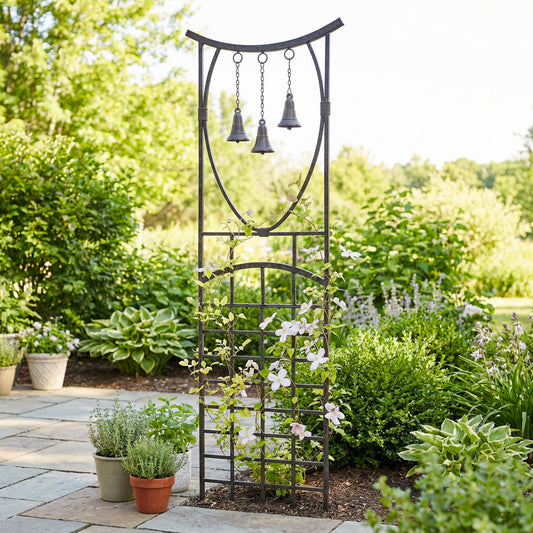
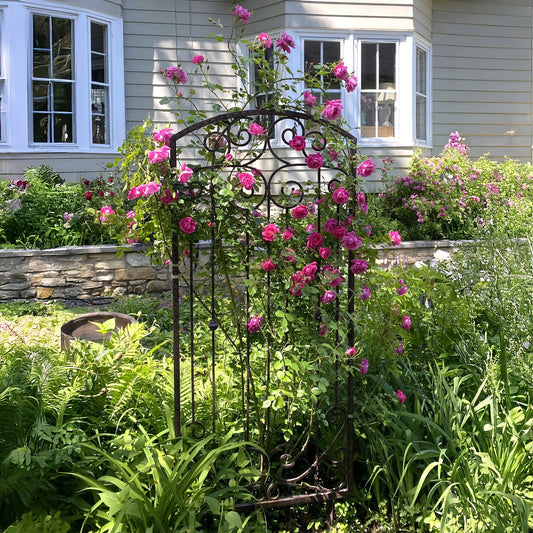
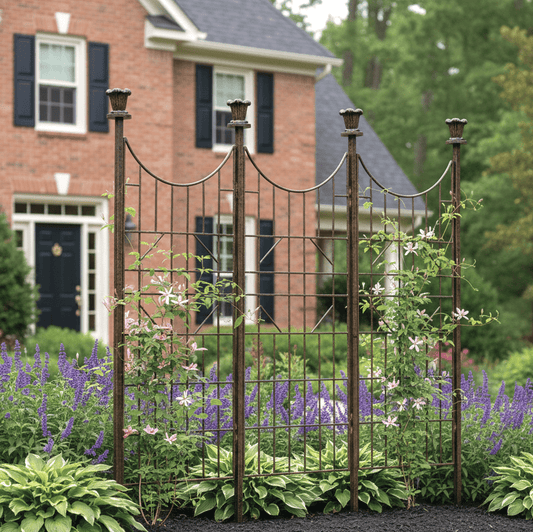
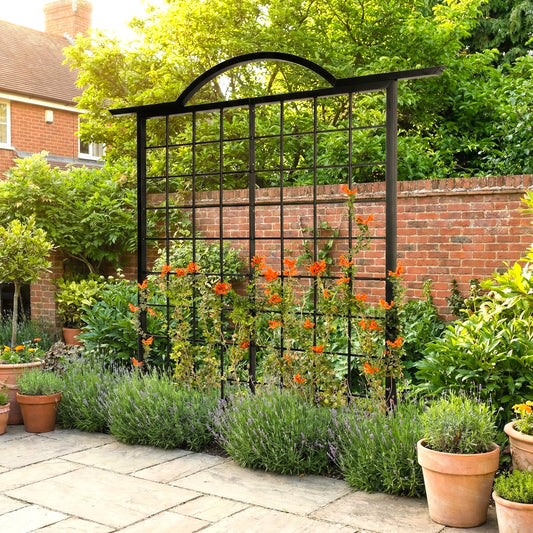
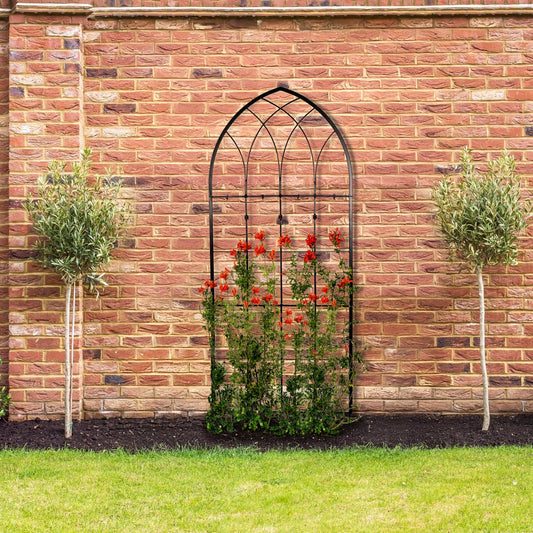
This one probably seems a little obvious, but hey—the trellis was made for the garden and we would be remiss to exclude it from among the best places to install your trellis. The trellis serves a two-fold purpose in the garden: adding a little flair that’s typically missing from the beds, while also being a great place for big and little plants to flourish during spring and summer.
Take the time to decide where you want to put the trellis in your backyard. The trellis might be the perfect filler for an empty spot in the garden—or even for a part of the garden that’s not so nice to look at. A perfect spot might simply be the place where you grow climbing plants, whether these are flowering plants like climbing roses or a simple climbing cucumber.
- Install before planting seeds or seedlings when possible to avoid disturbing roots later.
- For vegetable beds, placing a taller trellis on the north edge helps prevent shading shorter sun-loving plants.
- Leave enough space to walk around the trellis for pruning and harvesting.
- Vertical growth can dry out faster—place within comfortable reach of your hose or irrigation.
Want a complementary vertical accent? Many gardeners pair trellises with freestanding structures like iron obelisks for additional height and structure.
2) On the Wall
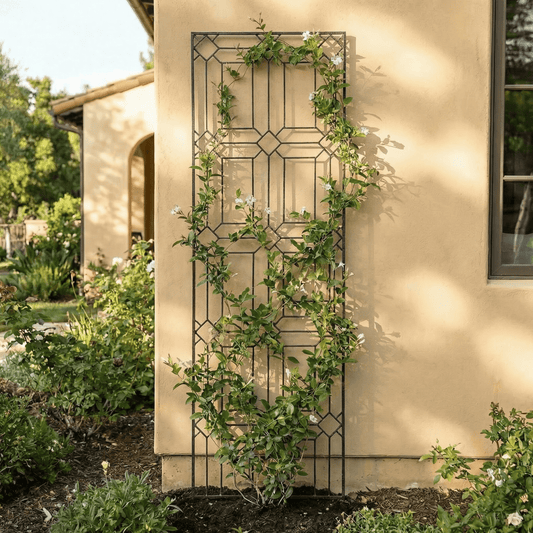
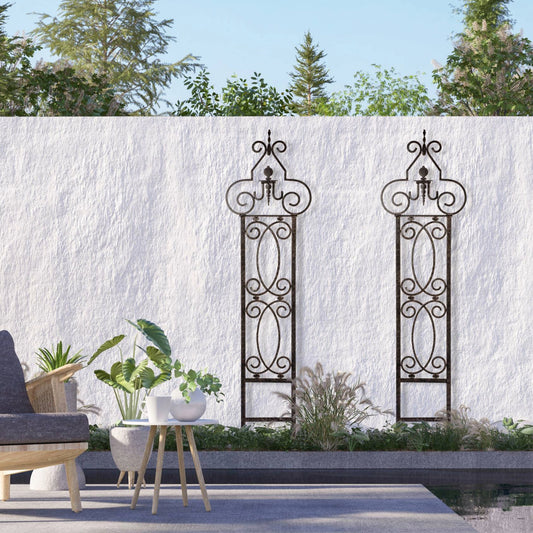
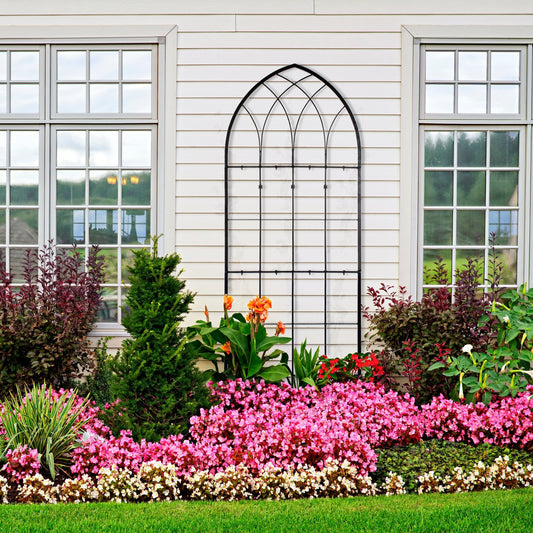
If you are looking for a way to quickly spice up any wall space, hanging your trellis using wall brackets is a quick and easy way to spruce up your outdoor space. A wall trellis immediately adds another dimension to the patio, shed, walkway, or any other spot around your house.
Wall trellises can come in a wide variety of designs and purposes. You might choose a more traditional lattice trellis designed to hold large climbing plants such as ivy or clematis. Or perhaps the trellis might be chosen primarily as a stand-alone decorative piece of art that can double as a trellis during the warmer months. However you choose to use a wall trellis, make sure your wall is sturdy enough to handle the added weight—then have fun with all of the different possibilities.
- Leave a few inches of space between the trellis and the wall for airflow and easier vine training.
- If you’re protecting siding, use appropriate wall brackets to keep foliage from pressing directly against the house.
- Position the trellis where it will be seen—entryways and walkways deliver instant curb appeal.
3) In a Planter
Maybe you don’t have a large garden space, but you can still use a trellis to help your plants climb upwards and add to the dynamic of your smaller garden. A smaller trellis fits perfectly in the confines of a planter while still maintaining all of the things that make the trellis great for a larger garden. Though a planter itself can often serve as the focal point, adding a trellis gives the planter an added vertical capability it typically lacks.
Putting a trellis in a planter is the perfect way for city dwellers to maximize their space and continue the gardening they love—even with the supposed limitations of smaller gardens. Check into H Potter’s trellis-and-planter concepts that combine beauty and structure in one refined footprint.
- Use a planter that is wide and heavy enough to counterbalance the trellis and plant weight.
- Consider a slow-release feeding approach and consistent watering—containers can dry out faster.
- Train vines early with gentle ties so growth stays elegant instead of tangled.
Pair with supportive structure: garden trellises and vertical accents like garden obelisks.
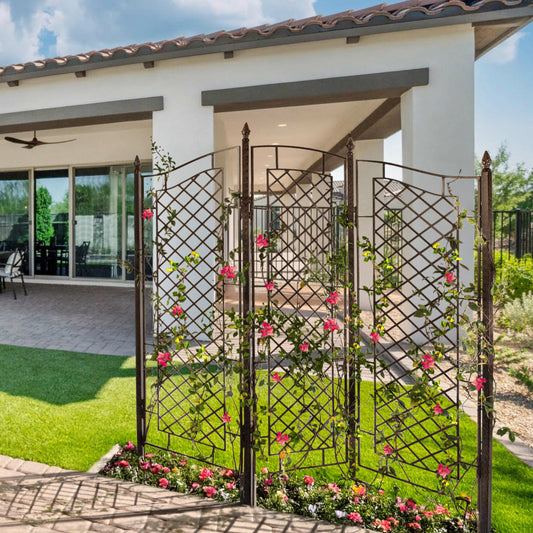
4) As a Fence in the Yard (A Living Privacy Screen)
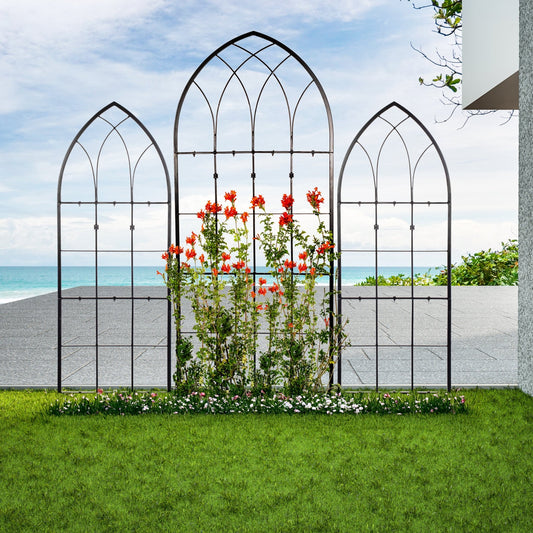
Are you looking for a little more privacy in your backyard, but don’t want a fence that is a complete eyesore to yourself and your neighbors? Trellising is the perfect way to solve both the problem of privacy and satisfy the desire for beauty around the home. Using trellising as fencing has quickly become one of the most fashionable ways to use trellising around the house—a trend that should be here to stay.
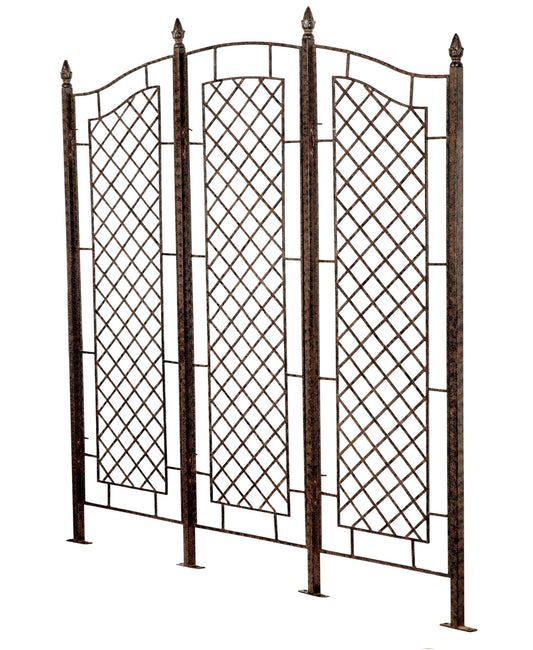
Taller trellises create an attractive fence that will be filled with your favorite climbers, hedges, or flowering plants and bushes. If you are looking for a new fence, consider an organic and elegant trellis fencing option.
Be sure the structure is properly anchored into soil, decking, or masonry. Our trellis installation guide covers mounting hardware, spacing from walls, and wind-load considerations.
- Place freestanding trellises where you can stake deeply into the ground.
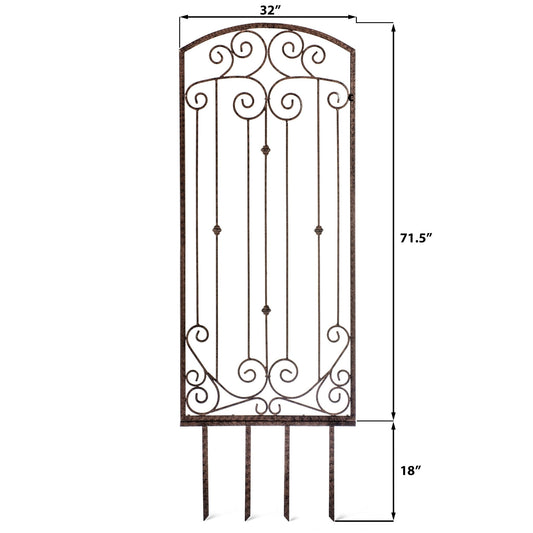
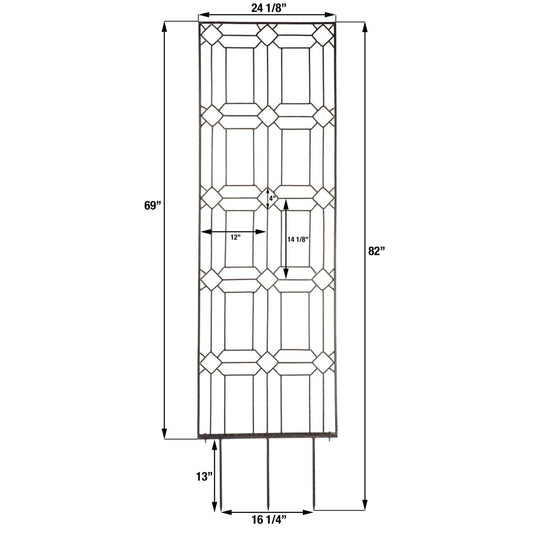
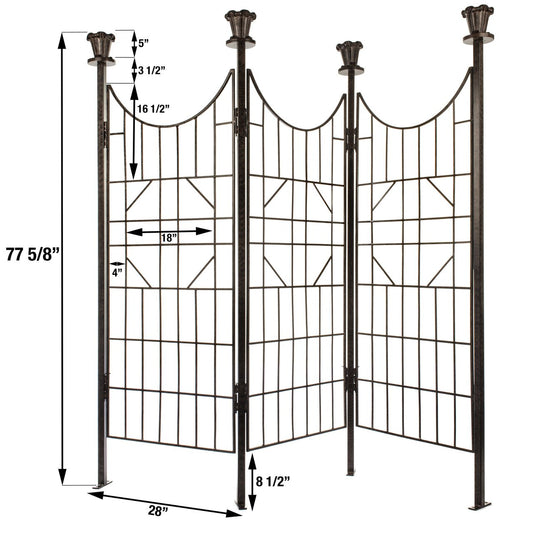
- For heavier vines and windy areas, plan for extra stabilization (H Potter provides external spikes for deeper anchors and secure mounting).
- Choose plants you can realistically prune—strong growers can get heavy fast.
5) Around the Deck or Patio
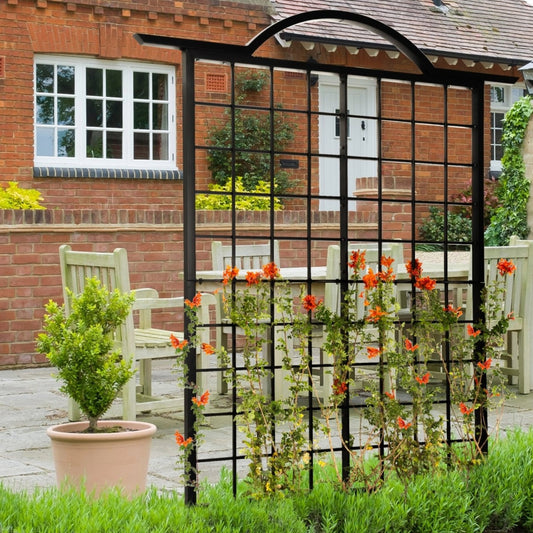
Finally, you may choose not to use the trellis in the garden; trellising can also work to enclose or beautify a deck or patio area. Gone are the days of a boring patio that lacks the vibrant personality of the homeowner. Adding trellises around the deck or patio immediately remedies the problem of a bland entertaining space. Step out of your house into a striking set of trellises—making you feel as if you just entered a wild outdoor space from the comfort of your own home. Trellises around the deck can also provide shade during the day for entertaining or relaxing while adding a sense of privacy.
- Use trellises as an “outdoor room” boundary—especially along railings or the edge of a seating area.
- Position for comfort: shade where you sit, privacy where you want it.
- If you’re near a wall, consider a wall trellis for instant vertical interest.
Maintaining Your Trellis
To keep your trellis filled with lush, healthy climbers, a little regular care goes a long way. Check new growth weekly during peak season, guide stems with soft ties, and keep the base weeded so water reaches the root zone.
- Train early: Gentle ties help vines establish an elegant pattern.
- Water consistently: Vertical growth can dry out faster—mulch helps hold moisture.
- Inspect support: As vines gain weight, confirm the trellis remains stable and upright.
- Seasonal clean-up: Remove dead growth and debris so air moves freely next season.
For heavy climbers, consider sturdier vertical structure such as iron obelisks in beds where you want a freestanding focal point.
Related Trellis & Vertical Garden Resources
- Shop Garden Trellises — curated designs for beds, borders, and outdoor rooms
- Decorative Wall Trellises — quick curb appeal and climbing support
- Iron Obelisks — freestanding vertical accents for heavier climbers
Hopefully, these suggestions have been helpful as you look to create your own gorgeous outdoor space with trellising. Remember that no one’s garden looks the same—so be creative and allow your unique personality as a gardener to shine through.
FAQs: Where to Install a Garden Trellis
Place it where it gets strong sun and where you can reach it easily for harvesting. Taller trellises often work best on the north side of a bed to avoid shading shorter plants.
Leave a few inches of space for airflow and for vines to twine comfortably. If you’re protecting siding, use brackets that keep foliage off the wall.
Yes. Choose a stable, heavy planter and train vines early. Planters dry out faster, so consistent watering and light feeding helps keep growth healthy.
Taller trellises placed along sight lines—near patios, hot tubs, or property edges—make excellent living privacy screens. Make sure the structure is properly anchored for wind and vine weight.
Many flowering vines and climbing vegetables perform best with 6–8+ hours of direct sun. Choose your placement based on the plant’s needs and your climate.
Anchor it deeply in soil or secure it to a solid structure. Heavier vines require sturdier trellises and more stabilization—especially in windy locations.