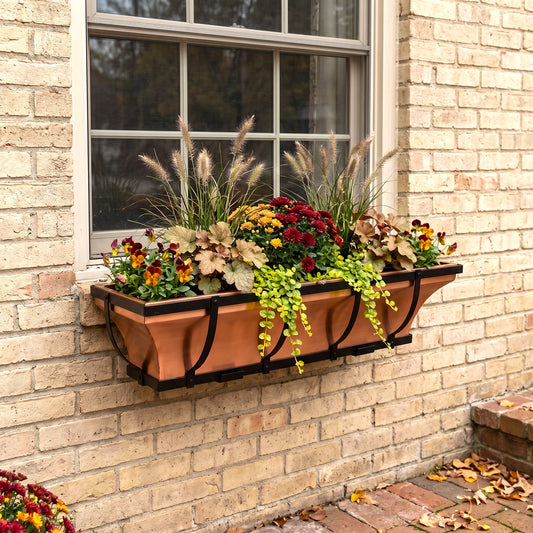
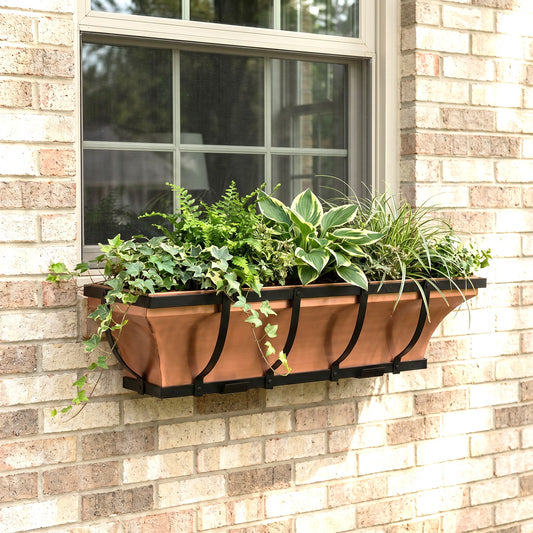
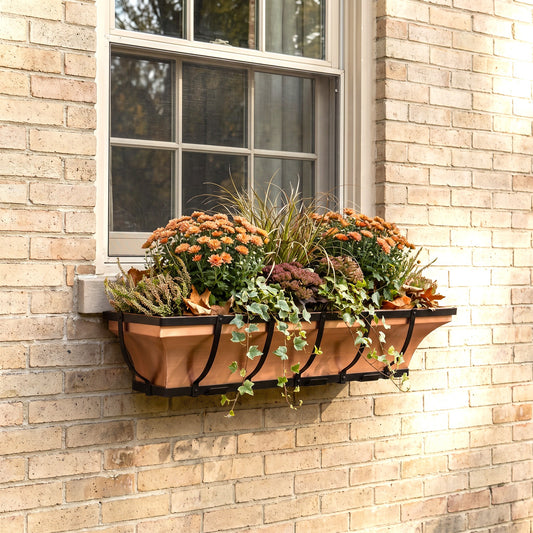
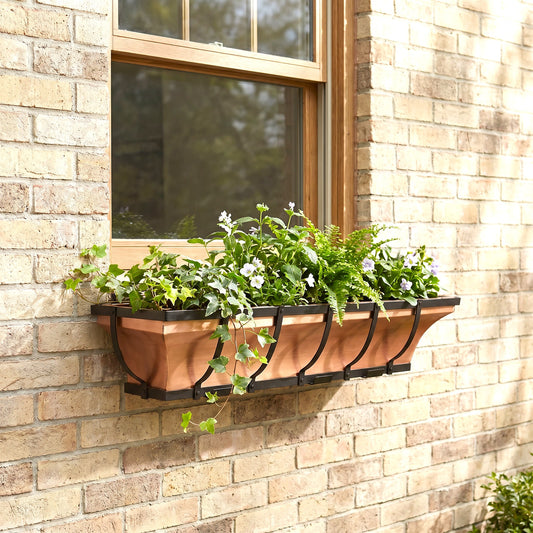
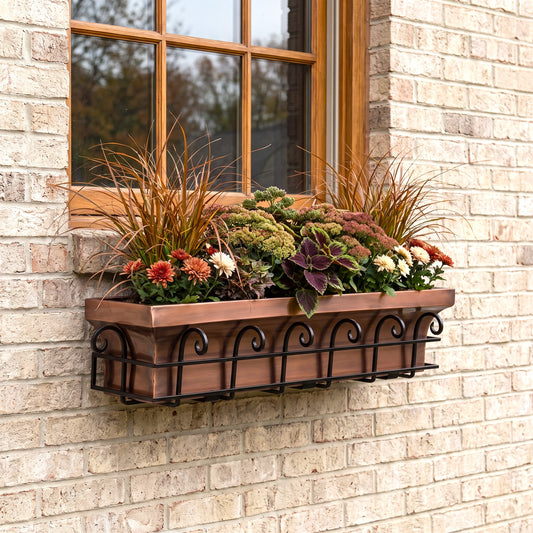
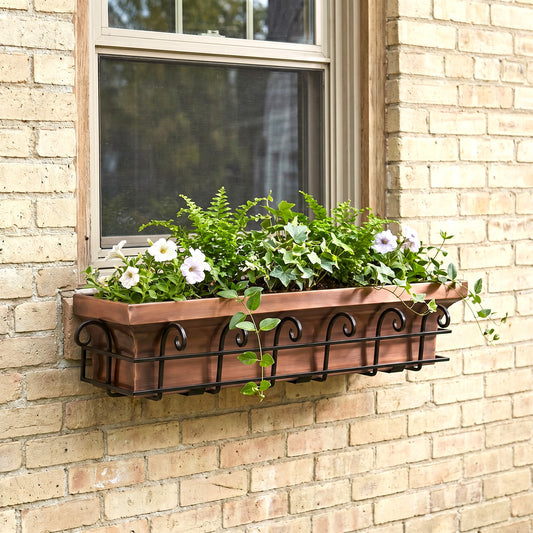
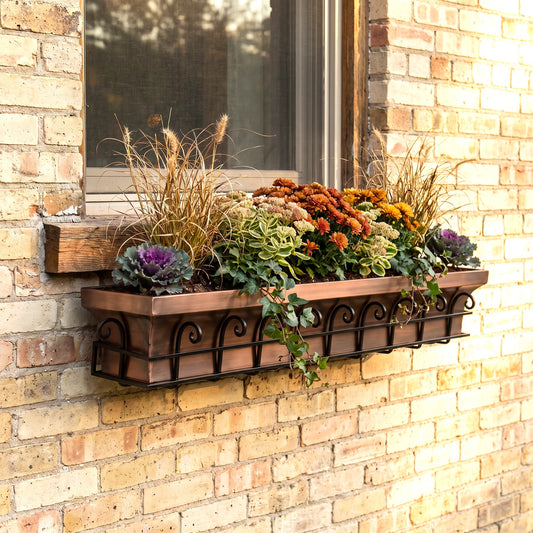
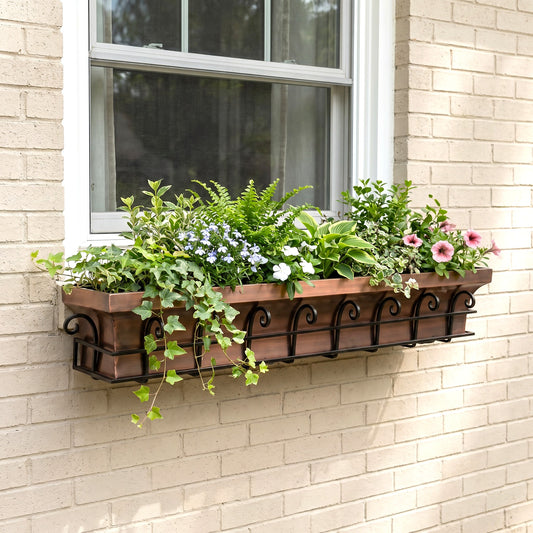
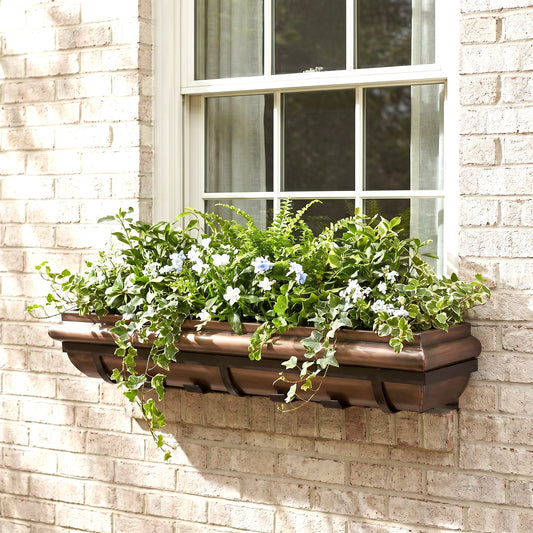
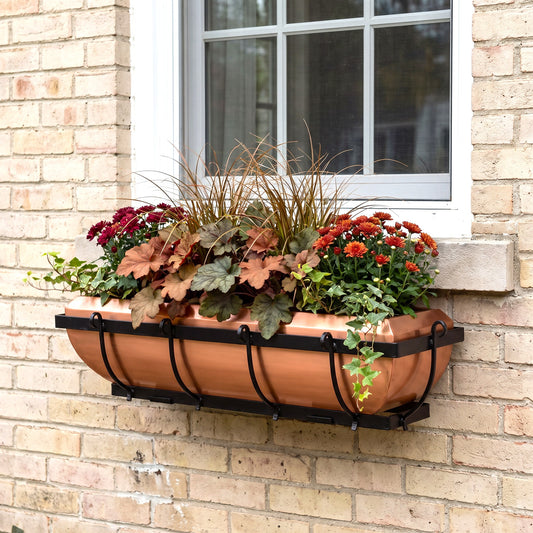
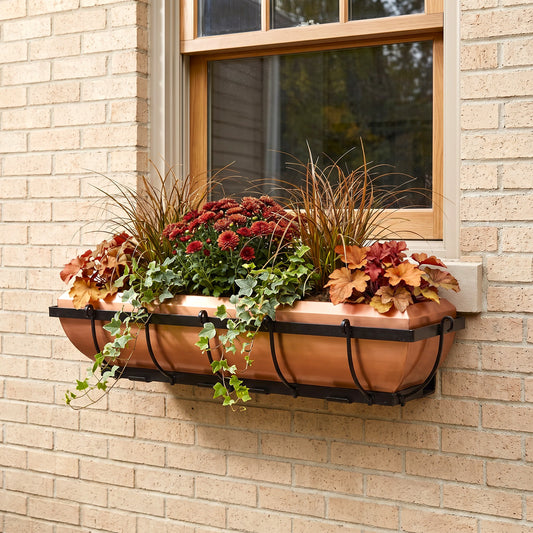
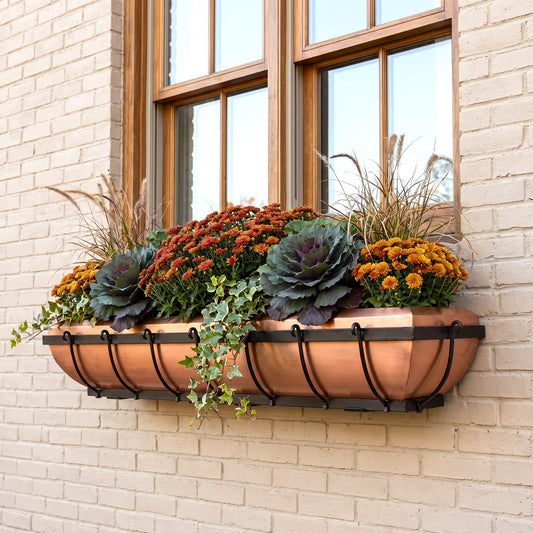
Planting a window box planter is one of the most rewarding ways to add seasonal color and texture to your home.
With the right soil, drainage, and plant mix, window boxes can stay vibrant from spring through fall.
Start With the Right Window Box
A well-made planter provides the foundation for healthy plants. Durable materials help regulate moisture, support soil weight,
and maintain structure through changing weather.
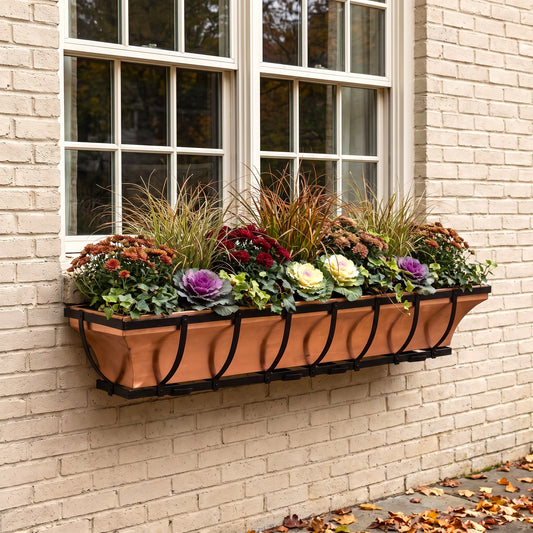
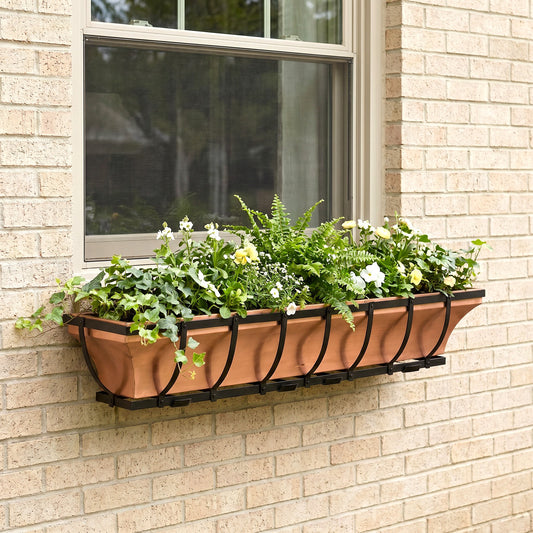
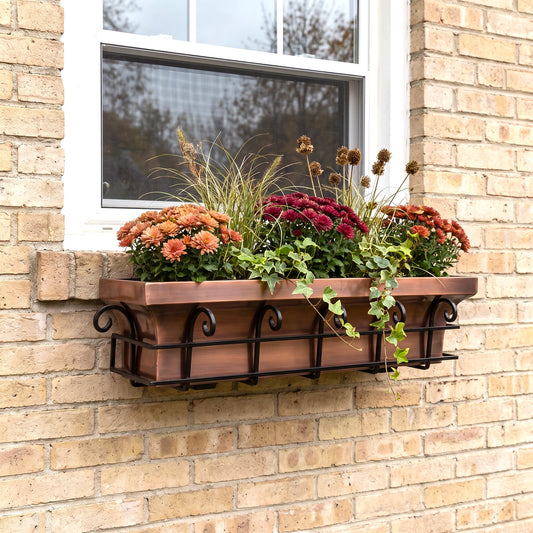
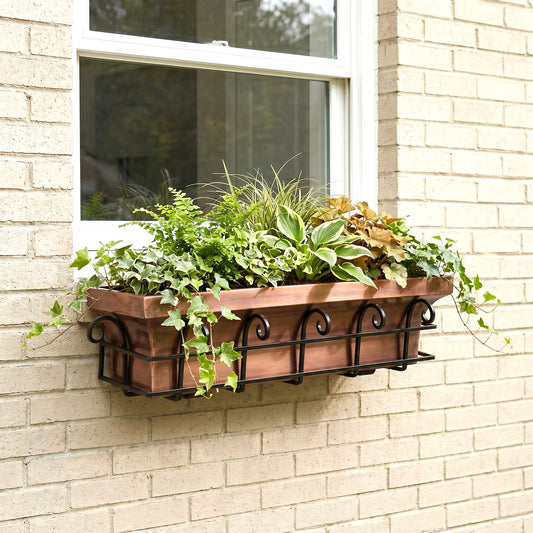
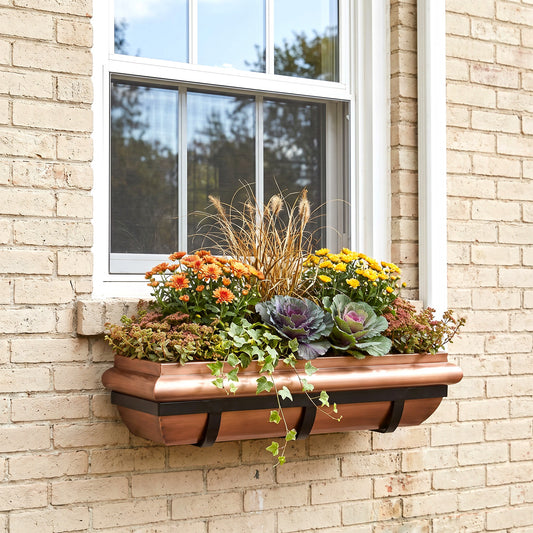
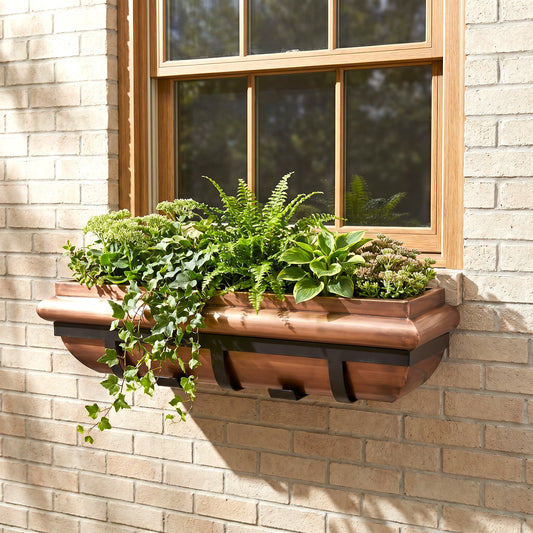
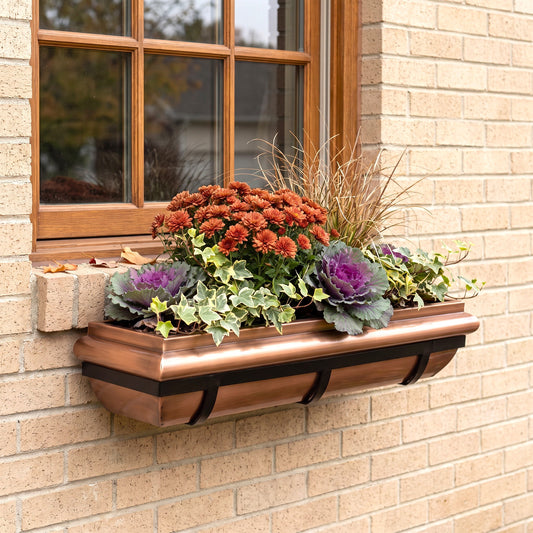
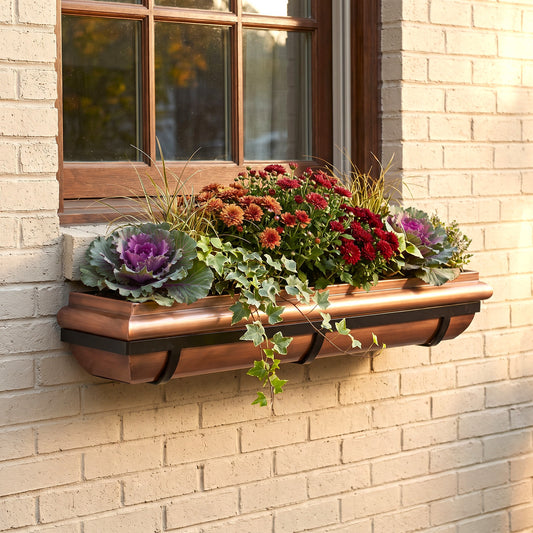
Craftsmanship matters: High-quality copper and stainless steel window boxes provide proper drainage, structural stability,
and long-term durability for seasonal planting.
Explore our collection of copper and stainless window box planters.
Step 1: Choose the Right Soil
Use a premium potting mix rather than garden soil. Potting mix drains better and prevents compaction in confined spaces like window boxes.
- Lightweight potting soil
- Moisture-retaining but well-draining
- Appropriate for your climate
Need plant ideas by exposure? See:
best flowers for window box planters.
Step 2: Ensure Proper Drainage
Drainage is critical to prevent root rot and overwatering. Window boxes should always allow excess water to escape.
- Check drainage holes
- Use well-draining soil
- Avoid standing water
For long-term care routines, read:
window box care and maintenance.
Step 3: Add Helpful Enhancements
A few simple add-ons can make window boxes easier to maintain—especially during warm, dry stretches.
-
Water-retaining crystals: reduce watering frequency and help buffer heat
-
Slow-release fertilizer: supports steady growth with fewer applications
-
Light feeding: every few weeks during the growing season keeps blooms strong
Simple rule: Consistent moisture + steady nutrition = fuller growth and better bloom production.
Step 4: Choose the Right Plants
Match plants to sunlight exposure. South-facing windows receive the most sun, while north-facing windows stay shaded.
| Sun Exposure |
Plant Ideas |
| Full Sun |
Petunias, geraniums, marigolds |
| Partial Sun |
Pansies, herbs, begonias |
| Shade |
Impatiens, fuchsia, ivy |
For seasonal inspiration, see:
using a window box this spring.
Step 5: Arrange Plants for Visual Impact
A classic window box uses three plant types:
-
Thriller: tall focal plant
-
Filler: mid-height plants for fullness
-
Spiller: trailing plants for movement
Fast layout: Start with one “thriller” near center (or slightly off-center), pack in 2–3 fillers,
then finish with 2 spillers at the edges to cascade over the front.
Coordinate With Your Home
Consider the color of your home, window trim, and surrounding landscaping. Neutral metal window boxes make it easy to swap plants seasonally while keeping a refined look.
For styling ideas, explore:
window planter decorating ideas.
A Lasting Gift for Gardeners
A beautifully planted window box also makes a thoughtful gift. Durable planters can be replanted season after season and become a lasting part of a home’s exterior design.
Gift idea: Pair a window box with a simple seasonal plan (spring blooms → summer color → fall texture → winter greens) for a “ready-to-enjoy” gift.
Why This Planting Guide Is Trustworthy
This article is part of H Potter’s window box series, created to help homeowners build window box displays that look refined and perform well outdoors.
-
Practical, repeatable steps: soil, drainage, and plant selection that work across seasons.
-
Design-forward guidance: layout methods (thriller–filler–spiller) that produce a “finished” look.
-
Built for real conditions: tips that account for sun exposure, heat, and the faster dry-out common in window boxes.
For the full framework (sizing, materials, sun exposure, and care), see the
Complete Window Box Guide.
Frequently Asked Questions
What’s the best soil for planting a window box?
Use a high-quality potting mix (not garden soil). Potting mix stays lighter, drains better, and resists compaction—helping roots stay healthy in a confined space.
How do I prevent root rot in a window box planter?
Make sure the planter has drainage holes, use well-draining soil, and avoid letting plants sit in standing water. Water deeply, then allow excess to drain away.
How do I choose plants for my window’s sun exposure?
Full sun windows do best with sun-lovers like petunias and geraniums. Shade windows prefer impatiens, fuchsia, and ivy. For a full breakdown by exposure, see
best flowers for window box planters.
What is the “thriller, filler, spiller” method?
It’s a simple design formula: use one taller plant for height (thriller), mid-height plants for fullness (filler), and trailing plants to soften edges (spiller).
How often should I water a window box?
Window boxes can dry out quickly—especially in full sun. Check moisture regularly and water when the top inch feels dry. In hot weather, that may mean daily watering.