Planting Bulbs Now For Summer Splendor
Ideas For Spring Bulb Planting
Spring is the perfect time to refresh areas of your garden with new color and texture. While perennials return year after year, spring-planted bulbs offer an easy way to introduce bold blooms that can last for seasons to come. Many bulb varieties are simple to plant, thrive in a range of garden styles, and can be lifted and stored if needed—making them a flexible option for gardeners who like to change things up.
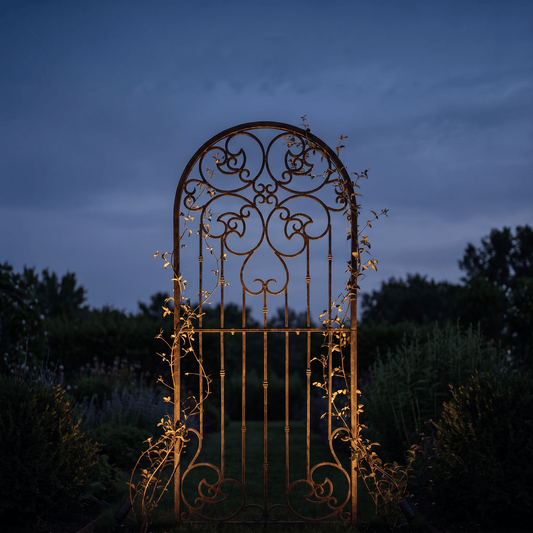
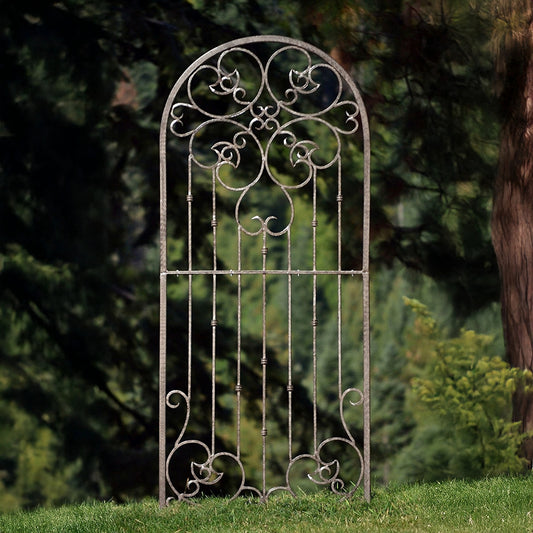
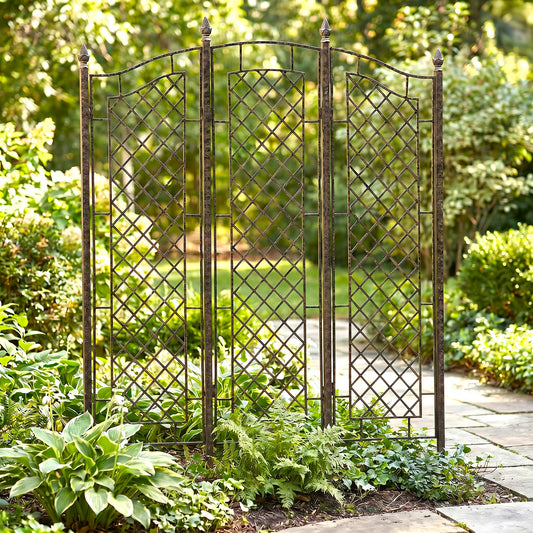
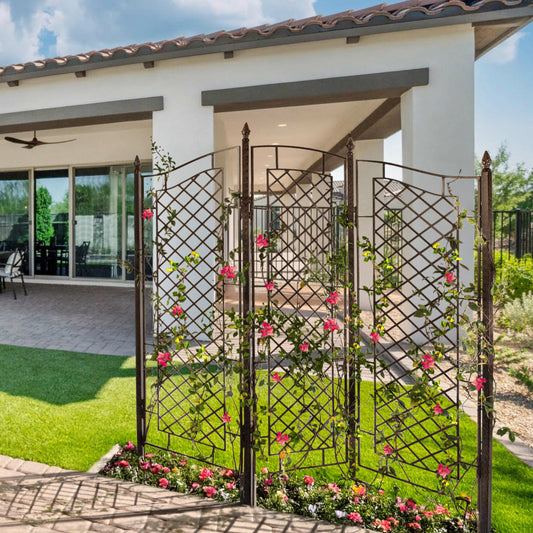
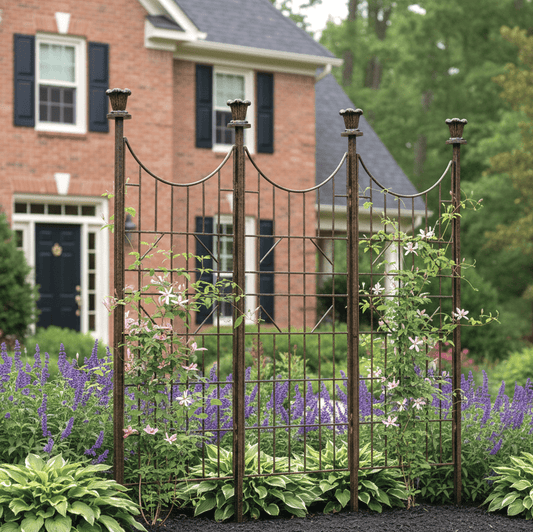
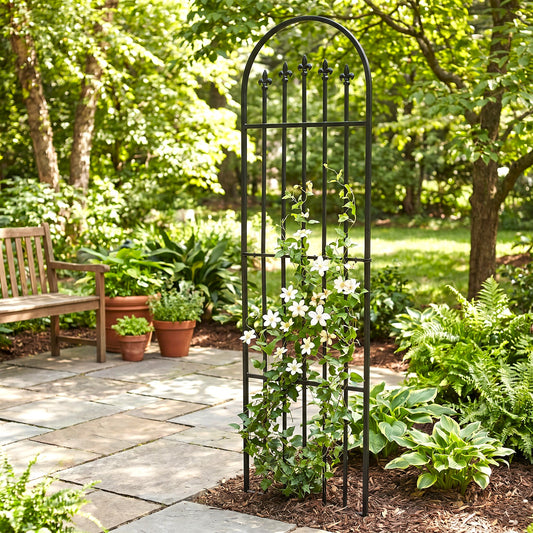
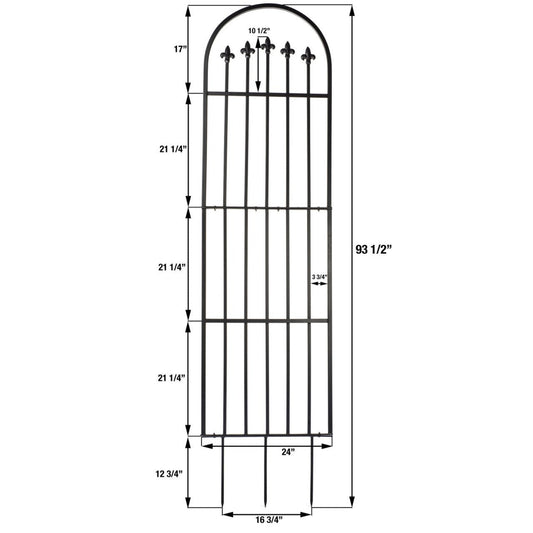
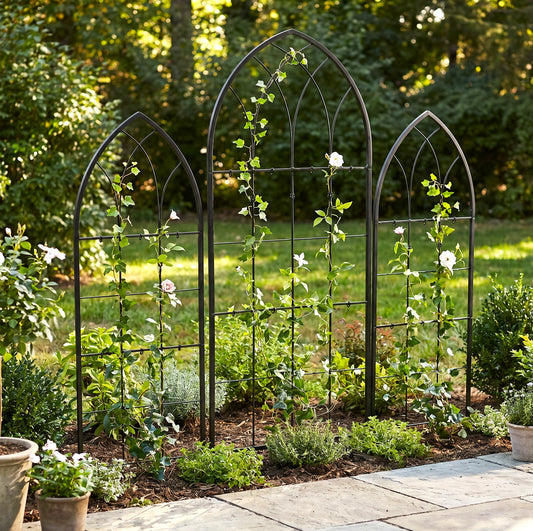
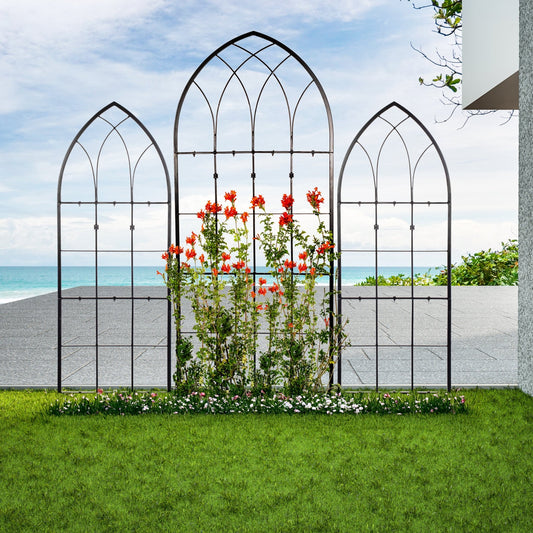
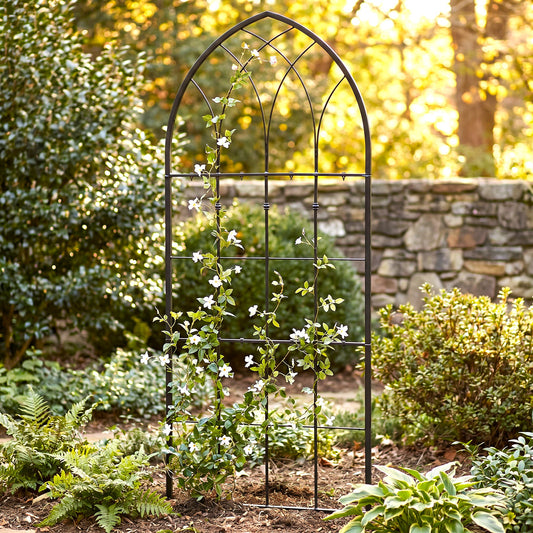
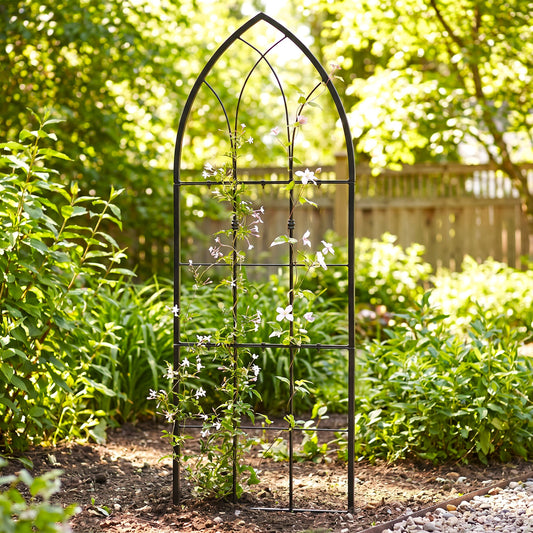
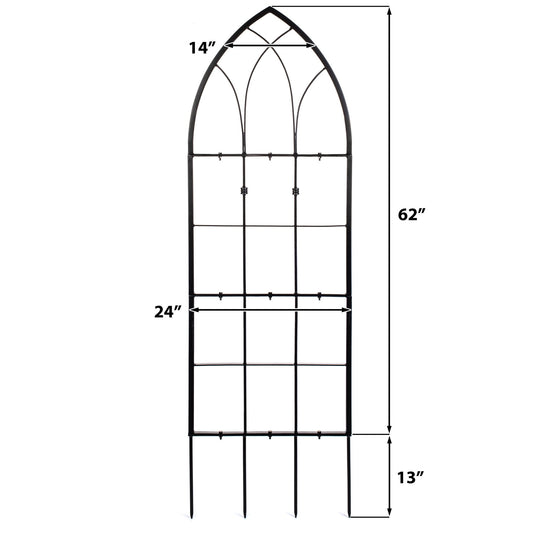
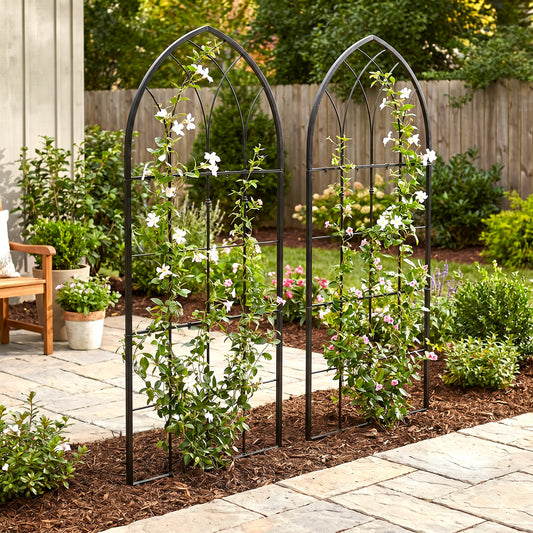
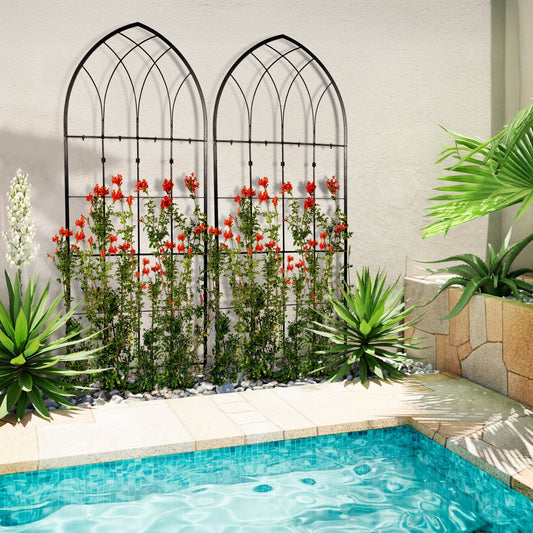
Some taller summer bloomers (like gladiolus) may benefit from a little extra support in windy areas. If you’re layering height in garden beds, a nearby metal garden trellis can help define space and add structure without competing with your blooms.
Different Bulbs & Environments
There are many types of bulbs, so choosing varieties that match your climate, bloom timing, and maintenance preferences is key. Some bulbs are planted in fall and bloom in late spring, while others are planted in early spring and bloom during summer. Many summer-blooming bulbs will not survive freezing winters and must be dug up and stored if you want to reuse them the following year.
Some Helpful Ideas
Below are several popular summer-blooming bulbs planted in spring. Use the comparison chart to quickly identify which bulbs suit your garden best, then explore each option in more detail.
Spring Bulbs at a Glance
| Bulb | Sun | Cold Hardy | Dig Up? | Height |
|---|---|---|---|---|
| Canna | Full sun | No | Yes | 3–6 ft |
| Iris | Full–partial | Often* | Sometimes* | 2–4 ft |
| Dahlia | Full sun | No | Yes | 2–5 ft |
| Gladiolus | Full sun | No | Yes | 1–6 ft |
| Calla Lily | Full–partial | No | Yes | 1–3 ft |
*Hardiness varies by iris type and climate zone.
Bulbs To Consider
Canna
- Sun: Full sun
- Winter Care: Dig up in fall
Canna bulbs produce bold tropical foliage and bright blooms. Plant after the last frost in a sunny location, and lift the bulbs in fall to store through winter.
Best for: Bold summer color with seasonal storage.
Iris
- Sun: Full sun to partial shade
- Winter Care: Depends on variety
Iris come in many colors and sizes and are generally more cold-hardy than most spring-planted bulbs. Some varieties can overwinter in the ground.
Best for: Reliable blooms with spreading growth.
Dahlias
- Sun: Full sun
- Winter Care: Dig up in cold climates
Dahlias offer vibrant color throughout summer when planted in well-draining soil and full sun.
Best for: Show-stopping summer displays.
Gladiolus
- Sun: Full sun
- Winter Care: Lift corms in fall
Gladiolus produce tall flower spikes and may benefit from protection in windy locations.
Best for: Height and vertical interest.
Calla Lily
- Sun: Full sun to partial shade
- Winter Care: Bring indoors before frost
Calla lilies offer elegant, cup-shaped blooms and require consistent moisture during the growing season.
Best for: Soft contrast and refined garden design.
Final Thoughts
Spring-planted bulbs allow gardeners to experiment with color, height, and seasonal interest. Choosing bulbs that fit your climate and care preferences will ensure a vibrant garden throughout summer.
Frequently Asked Questions About Spring Bulb Planting
Do all spring-planted bulbs need to be dug up in winter?
Not all spring-planted bulbs must be removed, but many summer-blooming bulbs (like dahlias, cannas, gladiolus, and calla lilies) often need to be dug up and stored in colder climates to prevent freezing.
When should I plant spring bulbs?
Most spring-planted bulbs should be planted after the risk of hard frost has passed and soil temperatures begin to warm. Always check the planting guidance for your specific bulb variety.
Can bulbs grow in partial shade?
Some bulbs tolerate partial shade, but many bloom best in full sun. If you have a shadier garden, choose varieties that list partial shade as acceptable conditions.
Do bulbs come back every year?
Some bulbs return year after year when overwintered successfully in your climate. Others can return if you lift and store them properly through winter and replant the following spring.
How do I protect tall bulbs from wind?
For tall growers like gladiolus, plant in a more sheltered location and consider staking in exposed gardens. Nearby garden structure can also help reduce bending in gusty conditions.