Orchid Care Guide: How to Grow Healthy Orchids Indoors


Learn how to care for orchids indoors with expert tips on watering, light, humidity, and feeding—plus how Wardian Cases help orchids thrive beautifully.

Orchid Care • Indoor Growing • Display & Styling

Orchids are often seen as delicate, high-maintenance plants—but with a few simple habits, they’re surprisingly resilient and deeply rewarding. This guide covers the essentials for watering, light, humidity, airflow, and fertilizing, with practical steps that help orchids bloom more reliably.

H Potter note: For more than 25 years, H Potter has designed plant-forward home pieces—like handcrafted glass Wardian Cases— to help people create stable, beautiful indoor environments for their favorite plants.

Practical, beginner-friendly steps
Structured for quick scanning
Includes comparison chart + FAQs
Links to related guides & displays

Watering Orchids Properly

Overwatering is the most common reason orchids struggle indoors. Orchids prefer a cycle of moisture followed by light drying—so roots can breathe. If you take away just one thing: don’t water on a schedule—water based on the medium.

  • Use a well-draining medium: Orchids should be planted in an orchid mix (often bark-based), not regular potting soil.
  • Check before watering: Water when the top inch of the medium feels dry to the touch.
  • Water at the base: Keep water out of the crown and off leaves to reduce rot and fungal issues.
  • Room-temperature water: Avoid very cold or hot water, which can shock roots.
Quick test: If the pot feels heavy and the medium looks dark, wait. If it’s light and the mix looks dry, it’s time to water.

Light & Placement

Most orchids thrive in bright, indirect light. Too much direct sun can scorch leaves, while too little light often means fewer blooms.

Best light setup for most homes

  • Filtered sunlight: Place near a window with sheer curtains or bright ambient light.
  • Rotate for even growth: Turn your orchid every 1–2 weeks.
  • Watch the leaves: Deep green can indicate low light; yellowing/scorching can indicate too much sun.

Humidity & Airflow

Orchids naturally grow in humid environments with steady airflow. Indoors, the goal is moist air without stagnant air. Balanced humidity supports healthier roots, longer-lasting blooms, and fewer leaf issues.

  • Aim for moderate humidity: Many common indoor orchids do well around 40–60% humidity.
  • Gentle airflow helps: Light air movement across the room can reduce mold and fungus.
  • Avoid drafts & vents: Keep orchids away from cold drafts and heating vents to prevent stress and bud drop.

Feeding & Fertilizer

Orchids benefit from light, consistent feeding during active growth. Feeding supports strong leaves, healthy roots, and more reliable bloom cycles.

  • Use orchid fertilizer: Choose a formula designed for orchids.
  • Follow a seasonal rhythm: Feed every 2–4 weeks in spring/summer; reduce in winter if growth slows.
  • Dilute to protect roots: Follow label directions and consider using slightly weaker strength to avoid fertilizer burn.
Tip: If you’re unsure, fertilize less. Overfeeding can damage roots more quickly than underfeeding.

Orchid Care Chart

Use this quick chart to match basic care to the orchid type you’re growing. (If you’re not sure what you have, many gift orchids are Phalaenopsis.)

Orchid Type Light Watering Best For
Phalaenopsis (Moth Orchid) Low to medium, indirect When top inch is dry (often 7–10 days) Beginners, gifting, most homes
Dendrobium Medium to bright, indirect Moderate; allow slightly more drying Bright rooms, collectors
Cattleya Bright, indirect Let medium dry more between watering High light homes, stronger fragrance blooms
Reality check: Home conditions vary. Always adjust based on your medium, pot size, and how quickly the mix dries.

Display Orchids in a Wardian Case

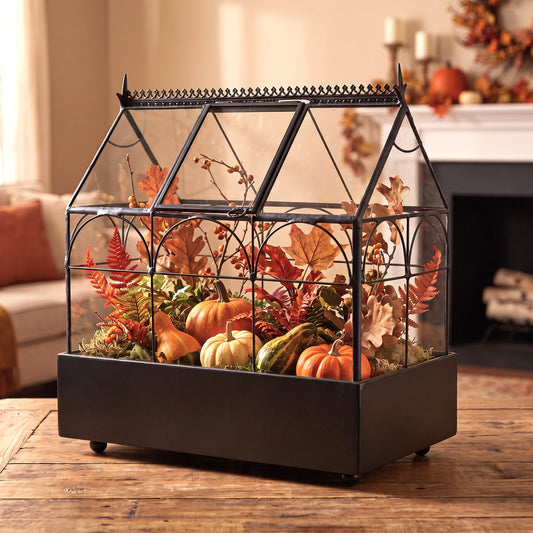
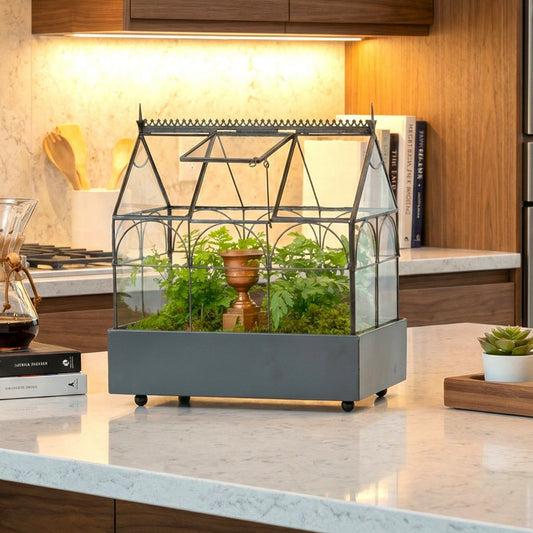
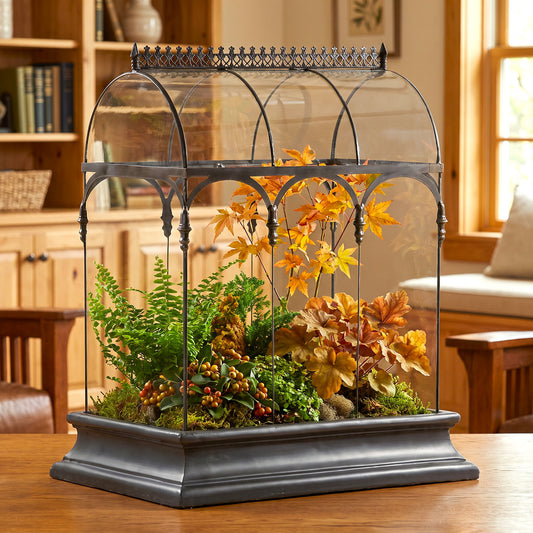
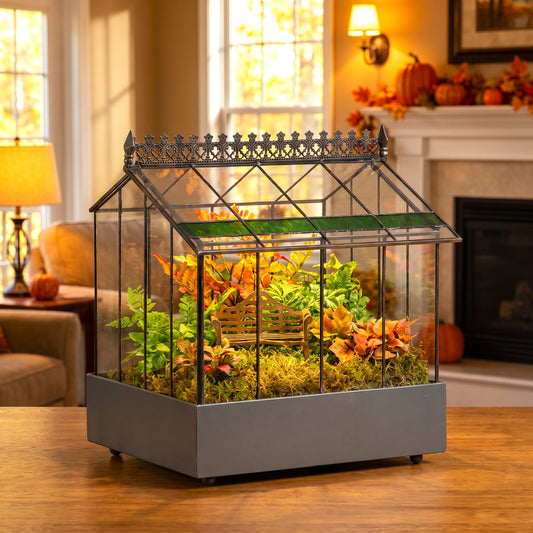
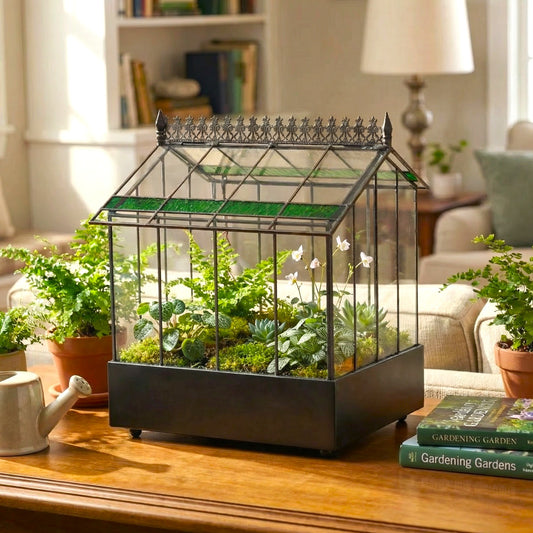
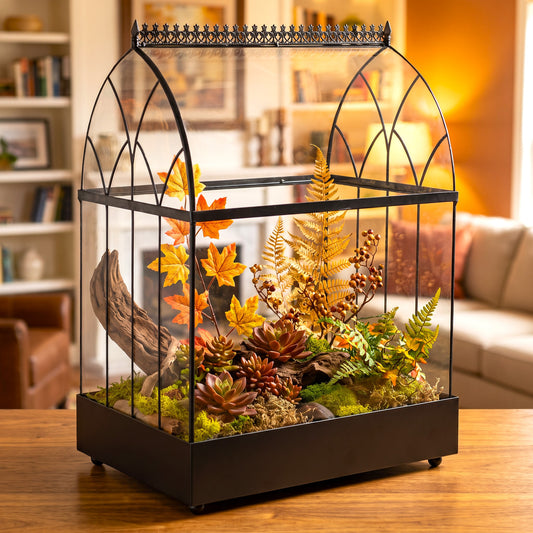
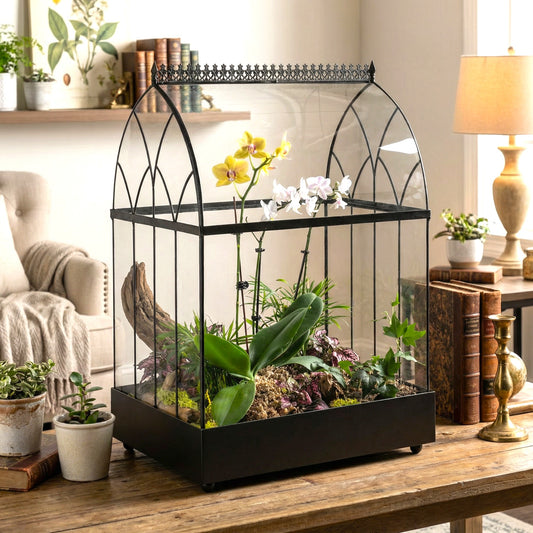
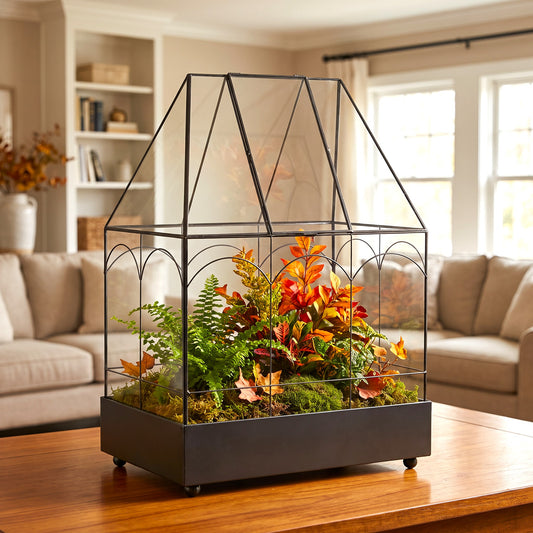
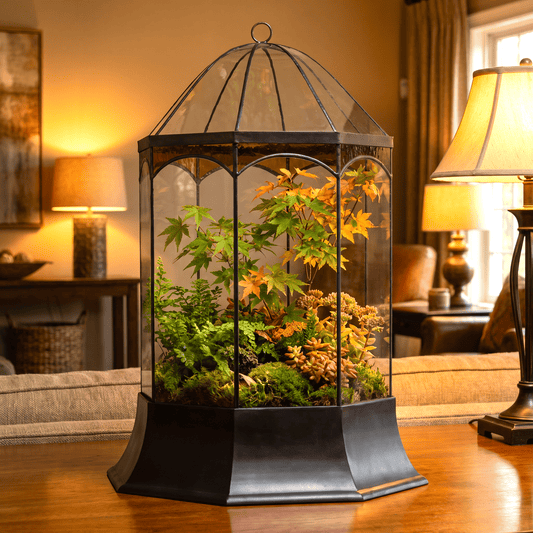
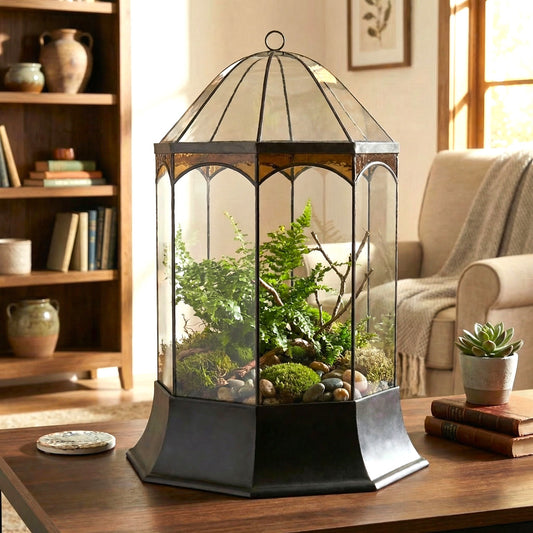
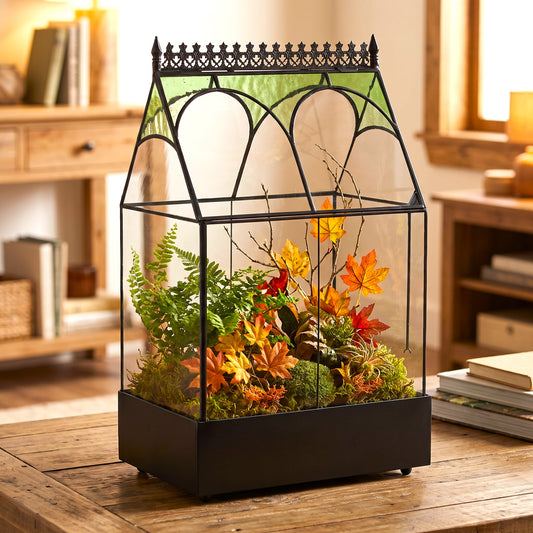
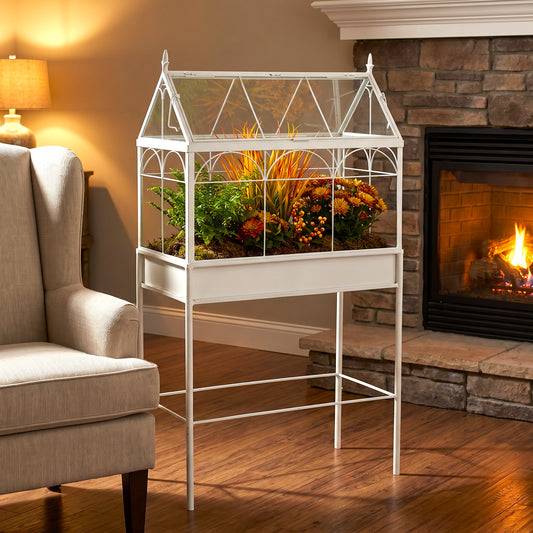
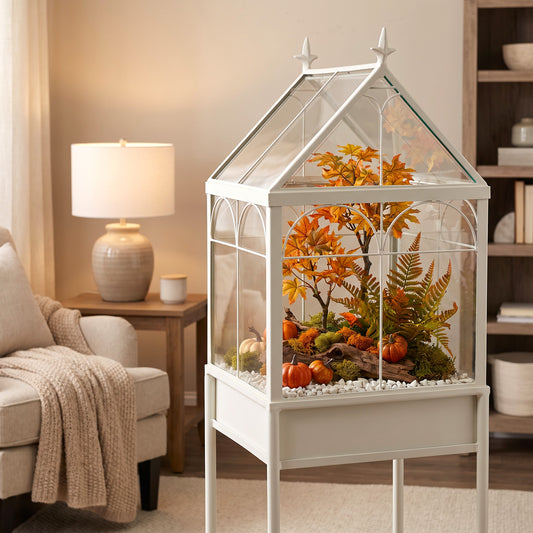
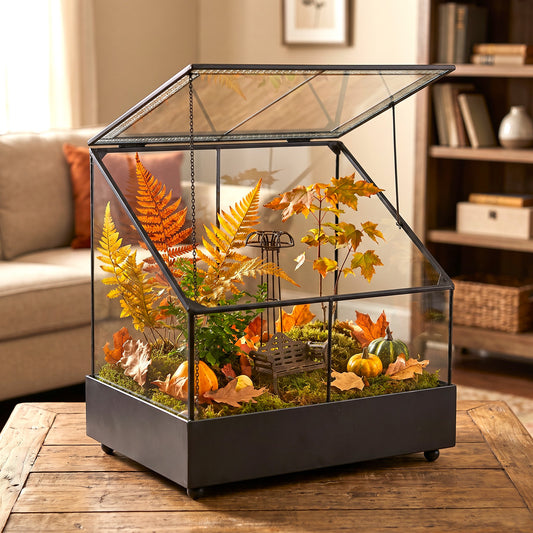
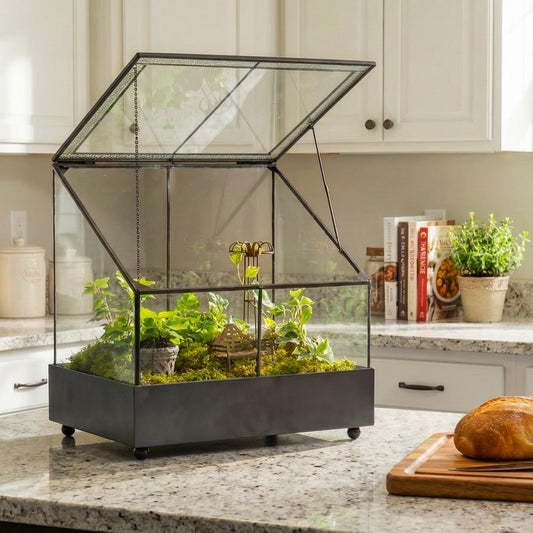
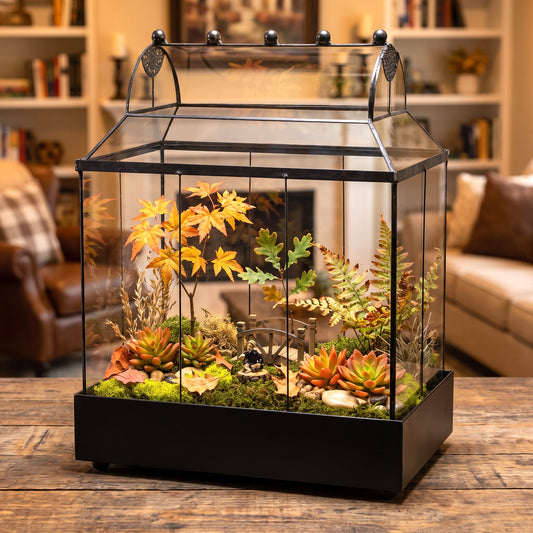
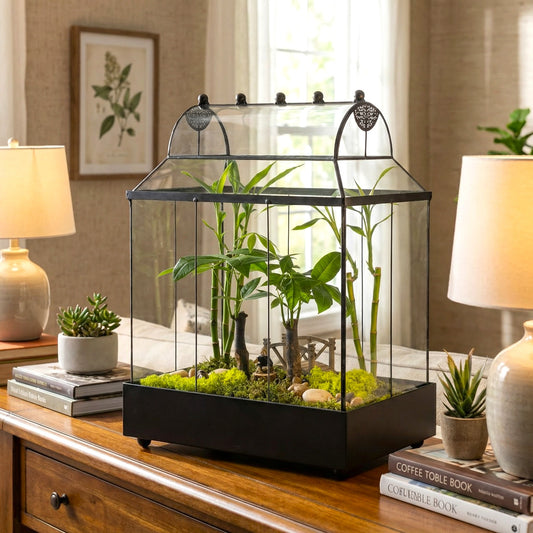
Once your care routine is dialed in, the right display turns orchids into living décor. A Wardian Case offers a refined way to showcase orchids while helping protect them from drafts and day-to-day environmental swings.

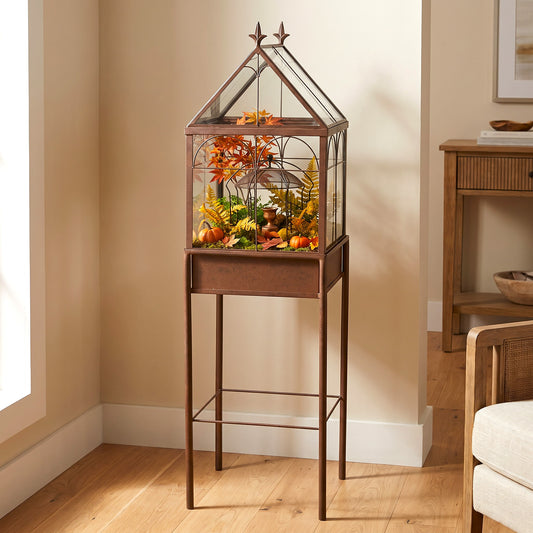
Explore handcrafted displays: Wardian Case Terrariums. For a statement piece, see: Large Freestanding Wardian Case.

Why many orchid owners love a Wardian Case

  • Microclimate support: Helps buffer orchids from rapid temperature changes and dry indoor air.
  • Protection: Shields blooms from pets, pests, and high-traffic areas of the home.
  • Design impact: Elevates orchids into a true architectural focal point—entryways, living rooms, sunrooms, and offices.
Important: A Wardian Case is not a guarantee of success by itself—orchids still need proper watering, light, and airflow. Think of it as a beautifully engineered environment that supports consistency.

Common Mistakes to Avoid

  • Overwatering: The fastest route to root rot.
  • Direct hot sunlight: Causes leaf burn and stress.
  • Water sitting in the crown: Can lead to crown rot.
  • No airflow: Stagnant air increases mold and fungus risk.
  • Heavy feeding: Too much fertilizer can burn roots.

Orchid Care FAQs

How often should I water an orchid?

Many orchids do well when watered about every 7–10 days, but it depends on light, humidity, pot size, and your growing medium. Water when the top inch of the medium feels dry.

Do orchids need direct sunlight?

No. Most orchids prefer bright, indirect light. Direct sun can scorch leaves and shorten bloom life.

Should I mist my orchid?

Misting can raise humidity briefly, but it can also encourage leaf spotting if water sits too long. A steadier approach is moderate indoor humidity and gentle airflow.

What fertilizer is best for orchids?

Use an orchid-specific fertilizer and feed lightly during active growth (often spring and summer). Avoid heavy feeding, which can damage roots.

Can orchids be displayed in a Wardian Case?

Yes. Many orchid owners like a Wardian Case because it helps buffer orchids from drafts and fluctuating indoor conditions—while creating a striking, museum-like display.

In summary: Orchids thrive with consistent habits—right medium, careful watering, bright indirect light, balanced humidity, and gentle feeding. Pair those basics with a refined display, and your orchid becomes a long-lasting centerpiece.


Â