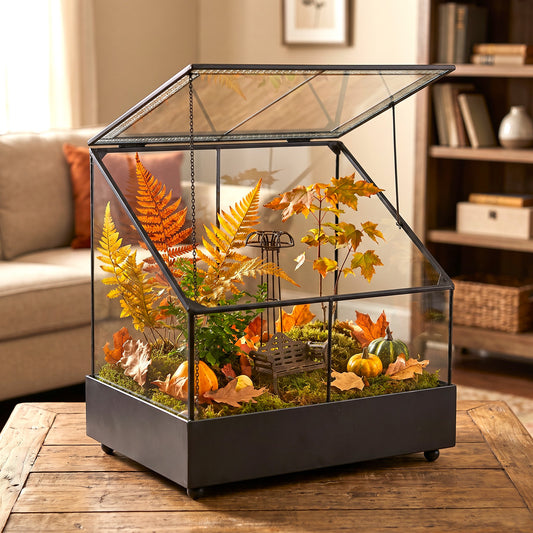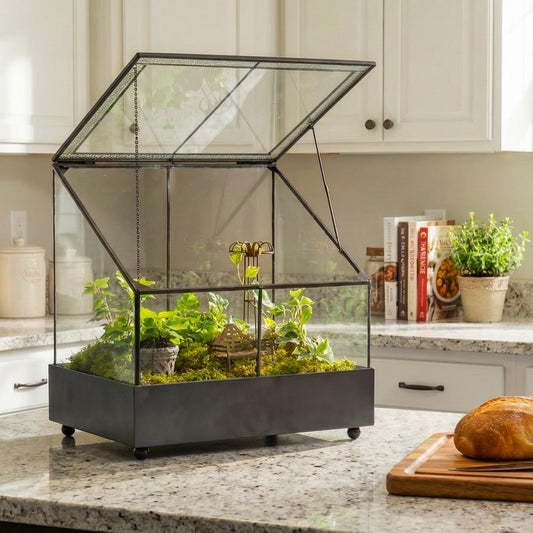
Gardening Under Glass - World of Terrariums Wardian Cases
There’s something quietly magical about growing plants under glass. A terrarium doesn’t just hold greenery—it creates a small, living atmosphere that slows you down, draws you in, and makes a home feel more grounded. Whether you’re styling a moss garden on a bookshelf or building a Victorian-inspired display on a console, gardening under glass blends design and plant care into one beautiful ritual.
On this page: What is a Wardian case? · Terrarium vs. Wardian case · Sealed-style vs. ventilated · Best plants · How to set up · Care tips · Styling ideas · FAQs
What Is a Wardian Case?
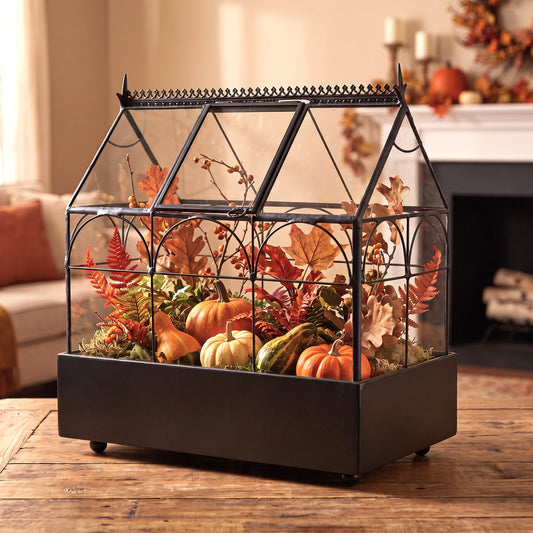
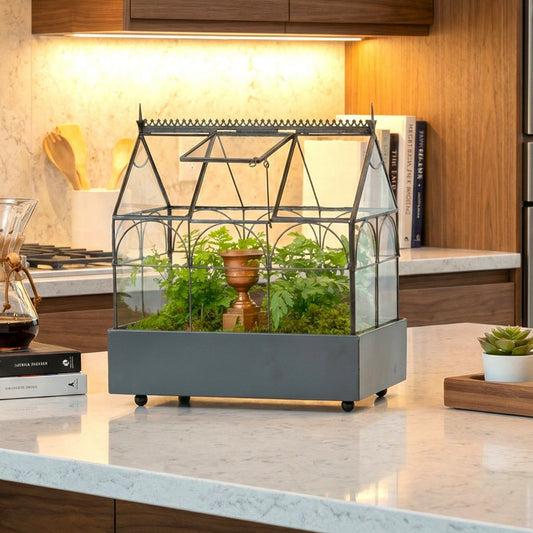
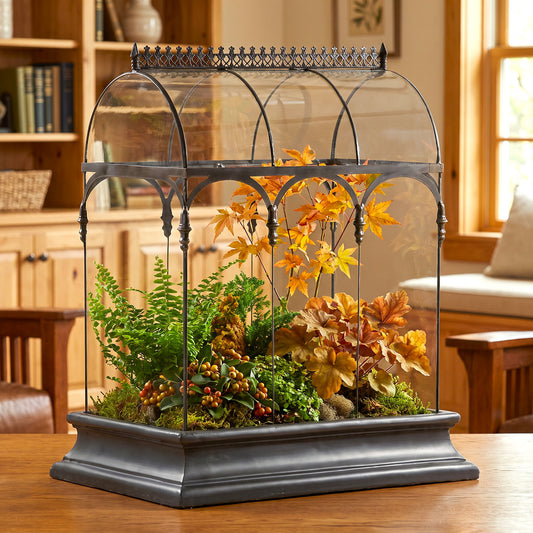
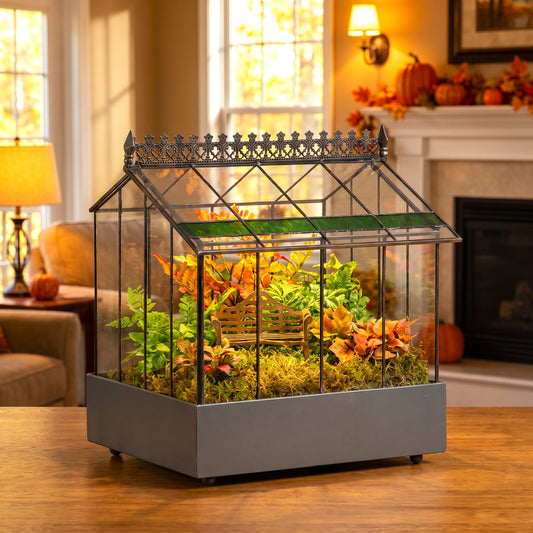
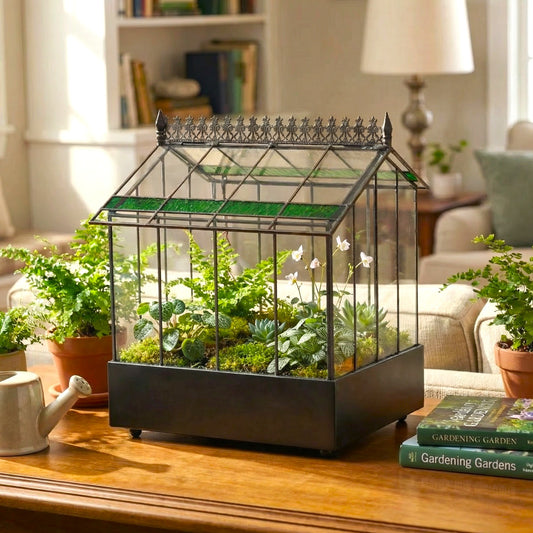
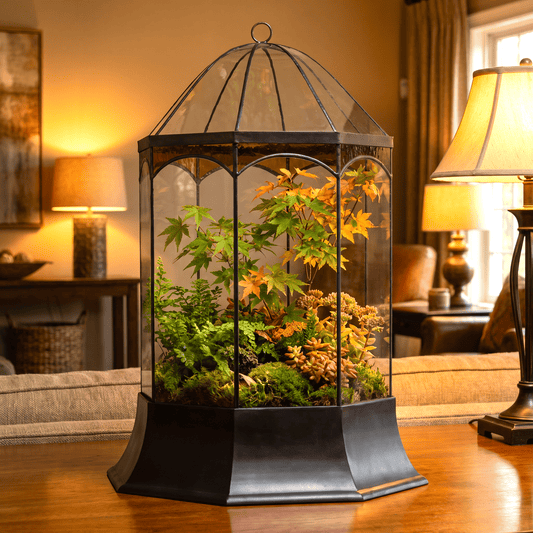
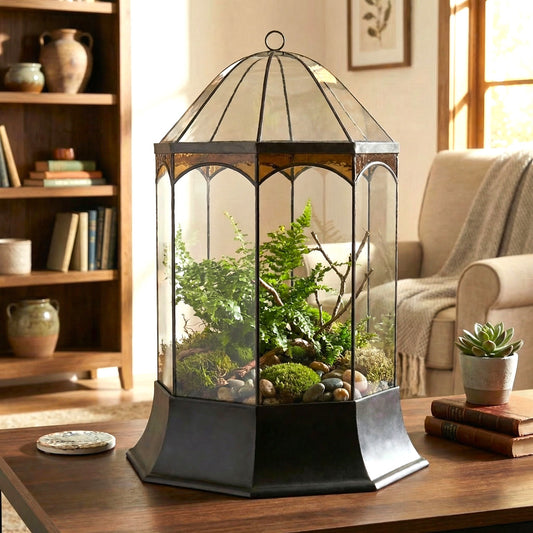
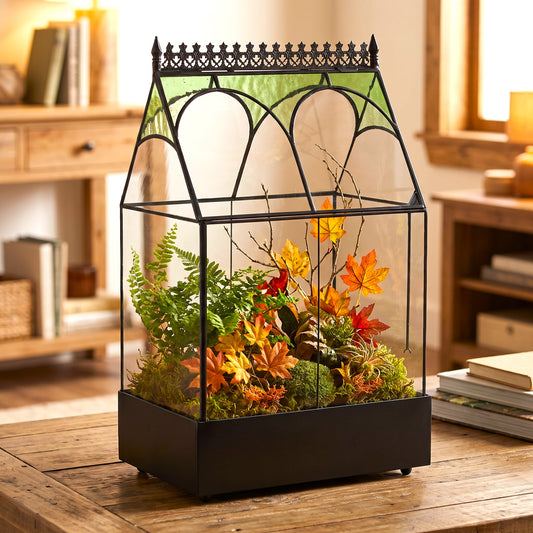
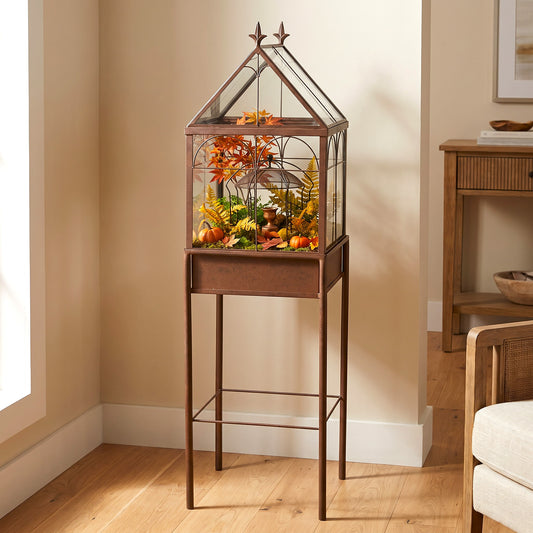
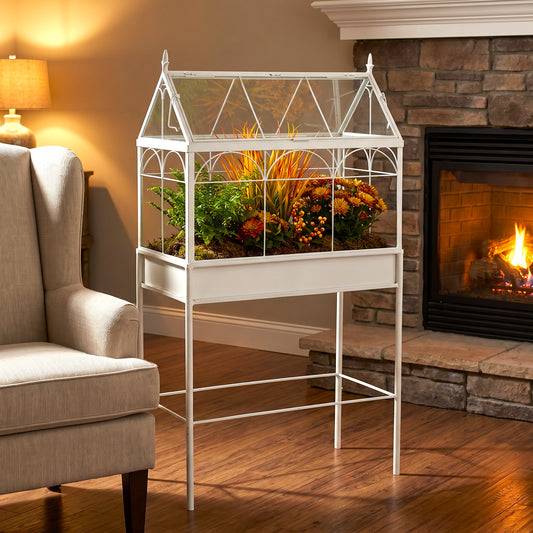
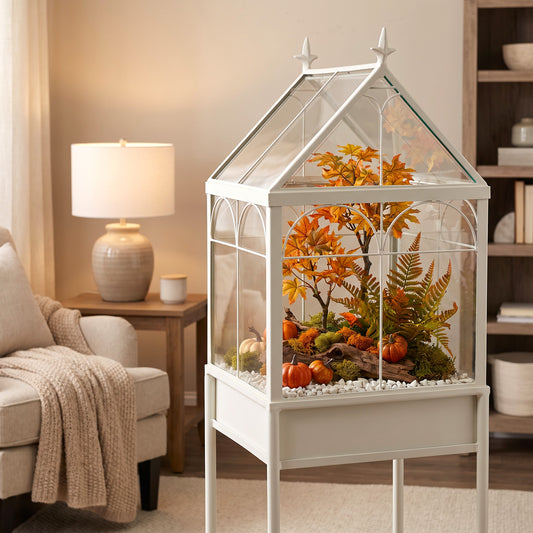
A Wardian case is the original inspiration behind modern terrariums. In the 1800s, Wardian cases helped transport plants safely by creating a protected environment under glass. Today, the idea lives on as a sophisticated way to grow and display plants indoors—especially humidity-loving varieties like mosses, ferns, and tropical foliage.
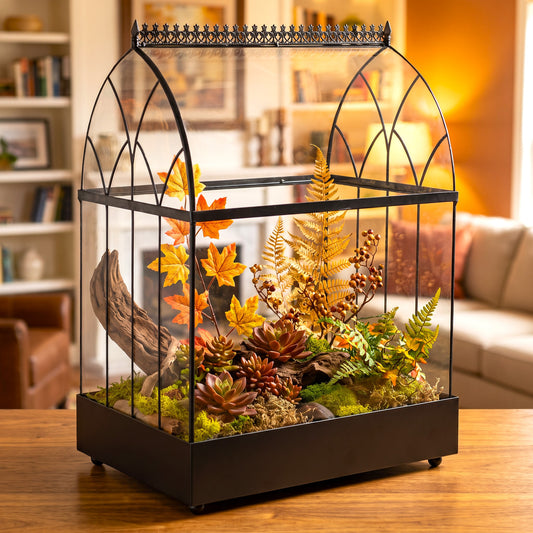
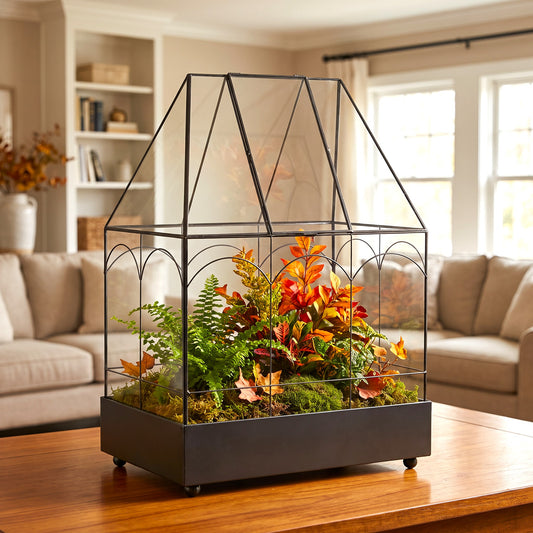
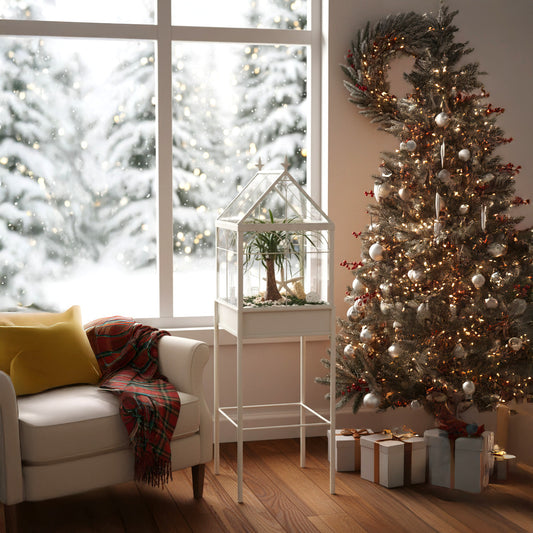
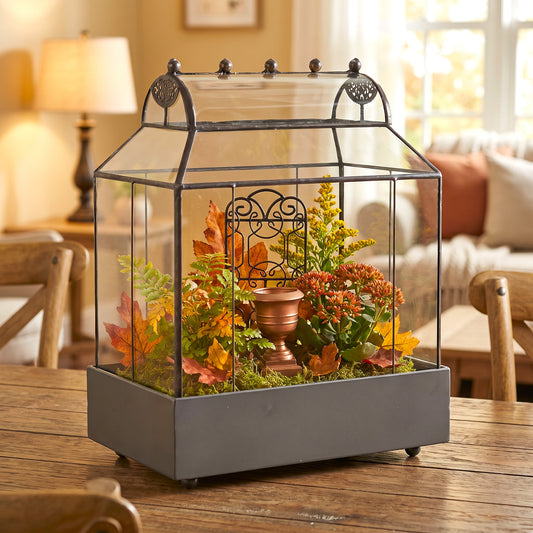
At H Potter, our Wardian case-style terrariums are designed to be both functional growing environments and heirloom décor pieces—real glass, substantial bases, and timeless silhouettes made to look as beautiful empty as they do planted.
Terrarium vs. Wardian Case: What’s the Difference?
Many people use “terrarium” as a catch-all term. But the best indoor gardens start with the right style. Here’s a simple way to think about it:
| Type | Best For | What It Feels Like |
|---|---|---|
| Standard hobby terrarium | Small DIY projects, short-term décor | Lightweight, decorative, often needs frequent watering |
| Wardian case terrarium | Serious indoor gardens, long-term display, premium styling | Substantial, architectural, designed for plant success over time |
If you want a deeper comparison of styles across our full lineup, visit: Terrarium Buying Guide →
Sealed-Style vs. Ventilated: How the Environment Changes
When people struggle with terrariums, it’s usually because the plant environment doesn’t match the style of the glasshouse. The good news: once you understand the difference, terrariums get dramatically easier.
| Feature | Sealed-Style Terrarium | Open / Ventilated Terrarium |
|---|---|---|
| Humidity | Higher humidity, moisture retention | Lower humidity, dries out faster |
| Watering | Less frequent; monitor condensation | More frequent; monitor soil dryness |
| Best plants | Moss, fittonia, small ferns, tropical foliage | Many succulents & cacti; some orchids |
| Maintenance | Occasional venting if over-condensing | Regular watering; faster moisture loss |
If your terrarium is designed as sealed-style (like the WAR150 experience), think “microclimate,” not “houseplant pot.” Moisture should be managed, not constantly added.
Best Plants for Gardening Under Glass
Choose plants with similar moisture needs. Mixing high-humidity plants with dry-loving plants is the fastest way to get frustrated.
Top choices for sealed-style terrariums
- Moss (for a finished base layer and humidity stability)
- Fittonia (nerve plant) (color and texture that stays compact)
- Small ferns (classic Victorian “under glass” feel)
- Pilea and tropical mini foliage (lush, layered look)
Top choices for ventilated / open terrariums
- Many succulents & cacti (dry-loving plants need airflow)
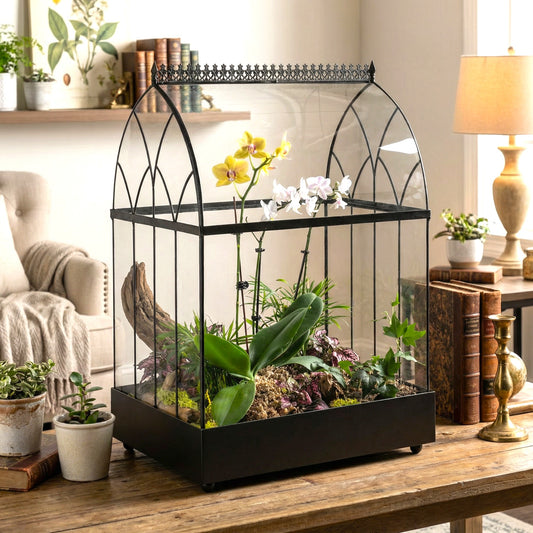
- Some orchids (depending on light and airflow)
- Small potted herbs (if placed in bright light and managed like houseplants)
Want a deeper plant list? Best plants for terrariums →
How to Set Up a Terrarium (Simple Layering Method)
This is the simplest, most reliable way to build a planted terrarium—especially for sealed-style microclimates.
- Add a thin layer of pea gravel for drainage.
- Mix in a small handful of activated charcoal to help keep the environment fresh.
- Add terrarium soil to nearly fill the base (leave room for moss/top dressing).
- Plant gently, tamping soil to remove air pockets.
- Water very lightly—sealed-style terrariums need less water than most people expect.
If you’re brand new, our step-by-step walkthrough helps: Complete terrarium setup & planting guide →
Terrarium Care Tips (So Your Plants Thrive)
Use condensation as your watering gauge
- Light, temporary condensation after watering is normal.
- If the glass stays heavily fogged for days, vent briefly to release excess moisture.
- If soil looks dry and there’s no condensation at all, add small sips of water.
Protect your terrarium from harsh direct sun
Glass can magnify heat quickly. Bright, indirect light is ideal—especially for moss and tropical foliage.
More help: How to care for your terrarium → · Common terrarium concerns → · How to keep glass terrariums clear →
Styling Ideas: Make Your Terrarium Look Intentional
- Conservatory look: moss base + ferns + layered foliage for a classic “under glass” feel
- Modern minimal: one sculptural plant + clean stones + negative space
- Event centerpiece: an architectural glasshouse terrarium as a dramatic table focal point
- Seasonal refresh: restyle with new plants as seasons change—no need to replace the terrarium
For more inspiration: Terrarium décor and centerpiece ideas → · Styling large Wardian case terrariums →
Recommended H Potter Terrarium (Sealed-Style Experience)
If you’re looking for an heirloom-quality terrarium designed to create a stable microclimate for moss and tropical foliage, explore the sealed-style experience that inspired many indoor gardeners to “garden under glass.”
FAQ: Gardening Under Glass
Is a Wardian case the same as a terrarium?
A Wardian case is the historic inspiration behind modern terrariums. Today, “terrarium” is a broad term, while “Wardian case” typically refers to a more structured glasshouse-style display designed for long-term indoor gardening and décor.
Do sealed terrariums really need less watering?
Yes. In a sealed-style setup, moisture cycles inside the glass. You’ll typically water far less often—use condensation and soil moisture as your guide.
What’s the biggest mistake people make with terrariums?
Overwatering and placing glass in harsh direct sun. Both can cause heat stress, mold, or plant decline. Bright, indirect light and controlled watering are key.
Can I grow succulents in a sealed-style terrarium?
Usually not. Succulents prefer dry air and fast-drying soil. They perform best in ventilated or open terrarium styles with plenty of airflow.
Explore More