Fall Is for Planting: Setting Up Your Garden for a Brilliant Spring
When it comes to gardening, patience is a virtue. After decades of gardening we've come to find that one of the most impactful times of the year to plant isn't during the warmer Spring months, it's during the Fall.
Crazy right? Well maybe it shouldn't be, with the days still quite warm, the nights cool, and the garden settling after a busy Spring and Summer, Fall is the perfect time to get your new bulbs and perennials prepped or planted before they go dormant during the Winter.
25 Years of Watching Fall Planting Pay Off
At H Potter, we have spent more than 25 years watching the fall-to-spring pattern hold true, season after season. The Spring-like temperatures and increase in moisture is the perfect time for plants to put down roots, the same roots that will lead to blooms like you've never seen before next year. So if you want your garden to look amazing, and your plants to be even healthier than before, read on to see what plants and prep you can do this Fall.
Explore our garden structures: Trellises, Obelisks & Arbors.
Why Fall Planting Works So Well
Planting in the Fall/Autumn season provides your plants with the exact conditions they need to grow. Think about the conditions your plants have in the Spring, warmer days and cooler nights, with plenty of water. While the Fall weather might be getting cooler over time instead of warmer, they follow the exact same pattern as the Spring months your plants love so much. With the ground holding on to the Summer heat for several more weeks, and the air beginning to cool your new or young plants have the opportunity for two Spring-like cycles.
Now we can guess what you're thinking, there's little to no plant material growing on my perennials during the Fall, and you're right! Remember that bit we mentioned about patience earlier? During the Fall, the cooler external temperature will discourage heavy growth above ground, but the cooling earth creates the perfect climate for young root systems to get a head start. You won't see it, but those roots are getting stronger, and rapidly expanding beneath the surface of your garden. What this means is during the Spring, when real plant growth begins to happen above ground, your plant will have the root system to support the larger growth. Meaning less stress for you when the Spring doesn't start as warm as you would like it to. The garden you start planting this Fall is usually one you'll get to enjoy next Spring.
Give Your Climbers a Head Start
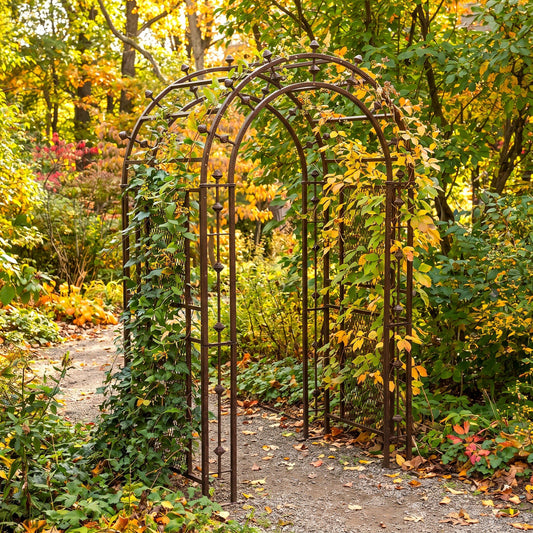
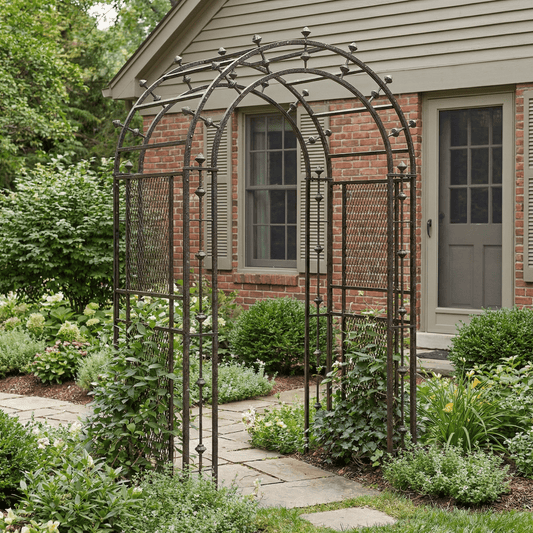
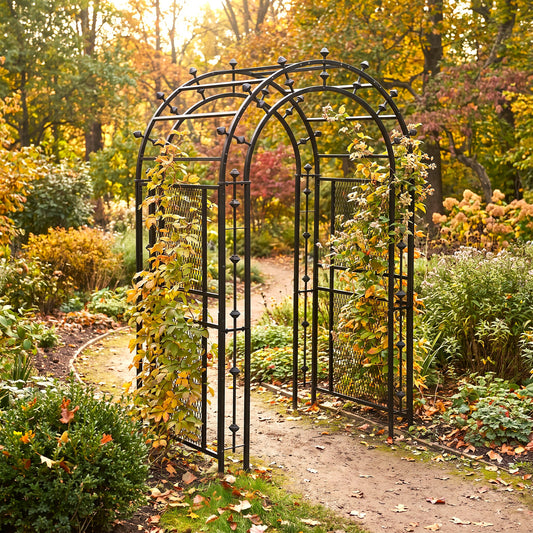
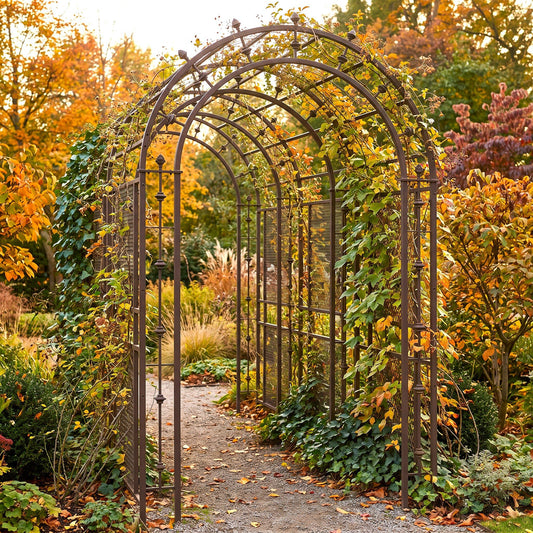
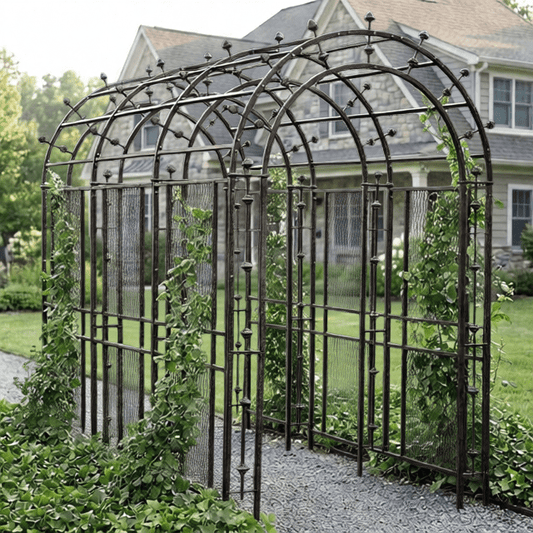
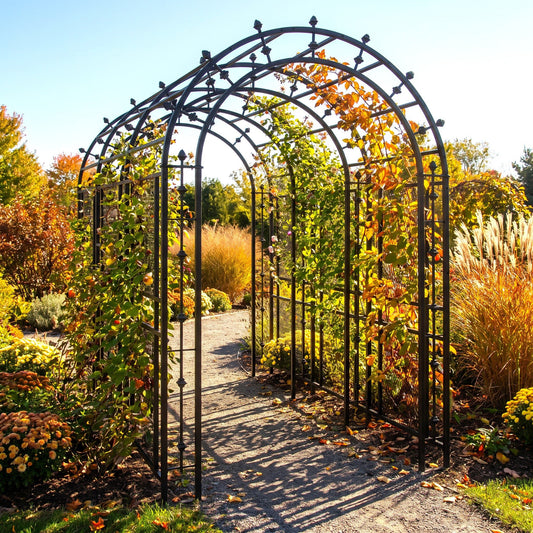
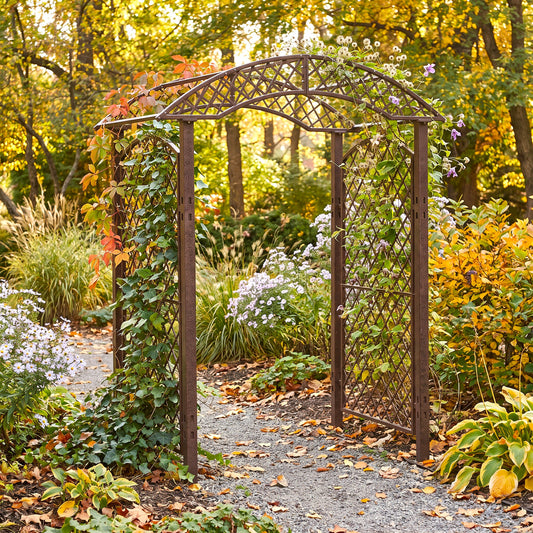
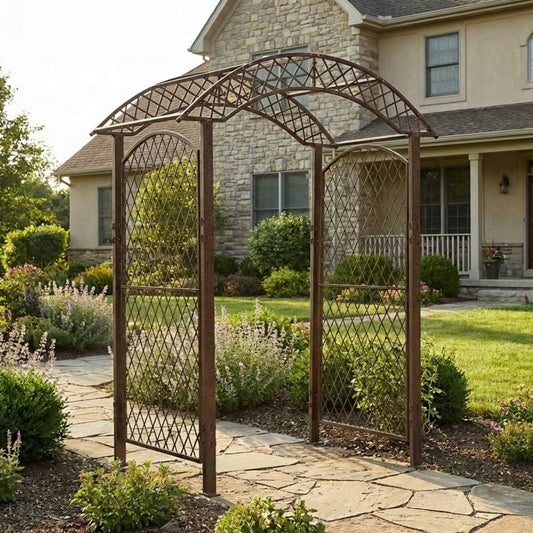
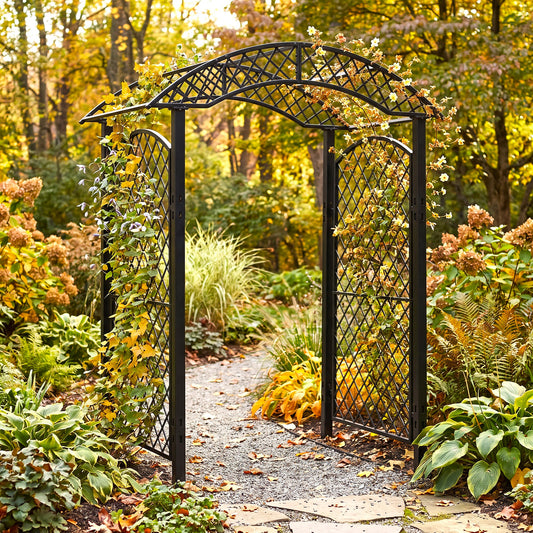
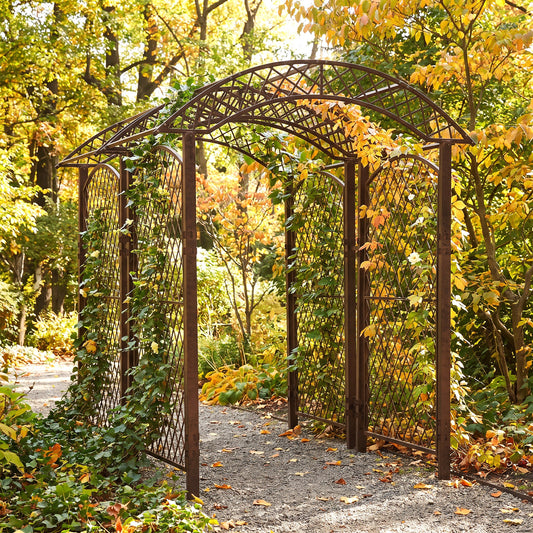
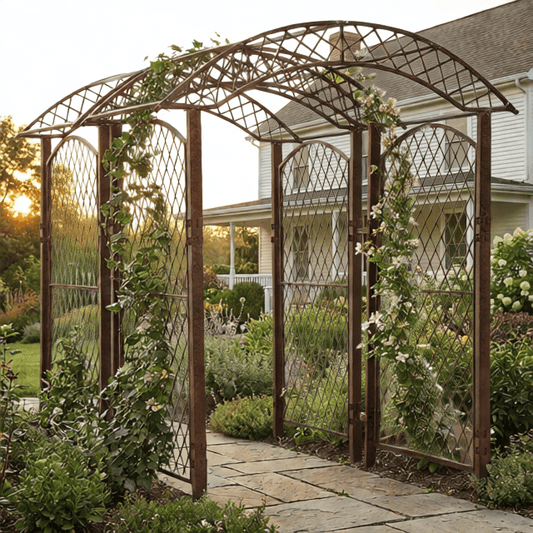
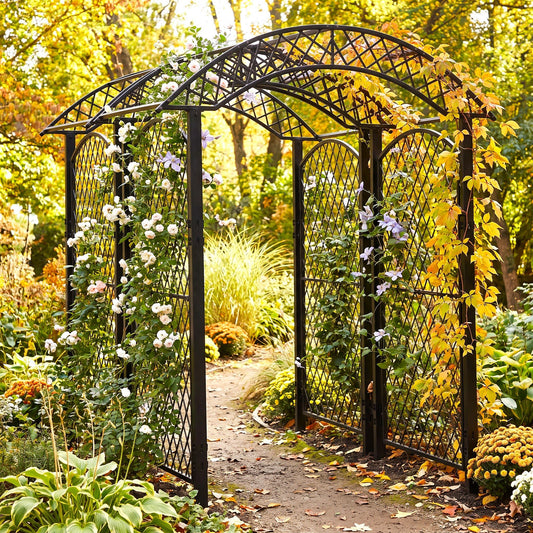
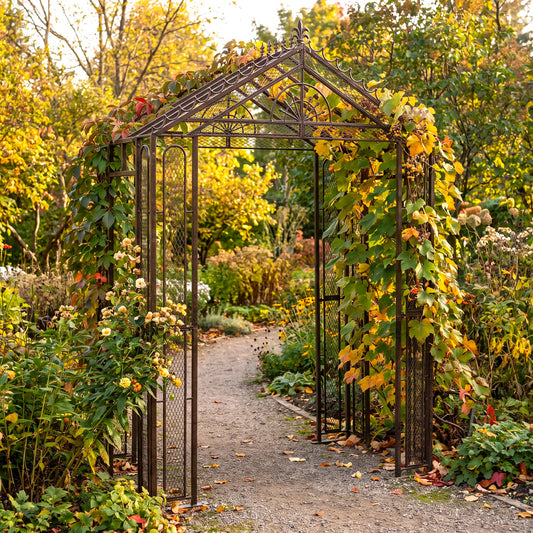
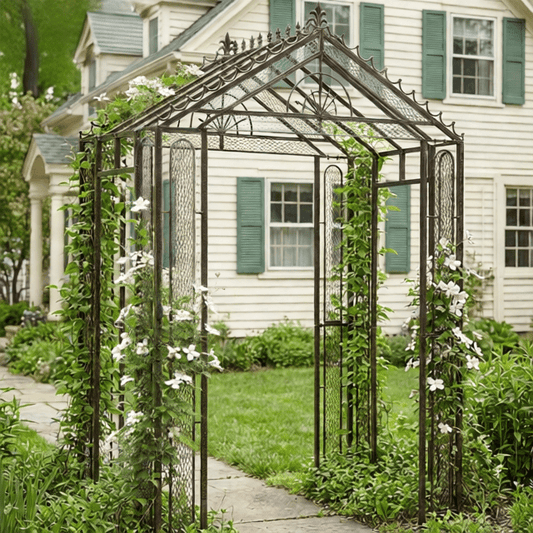
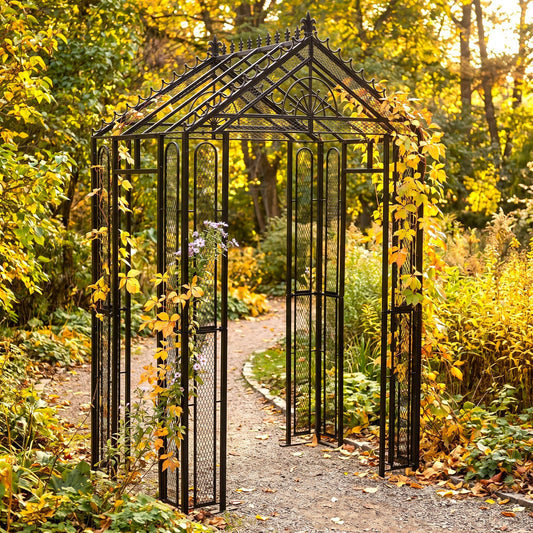
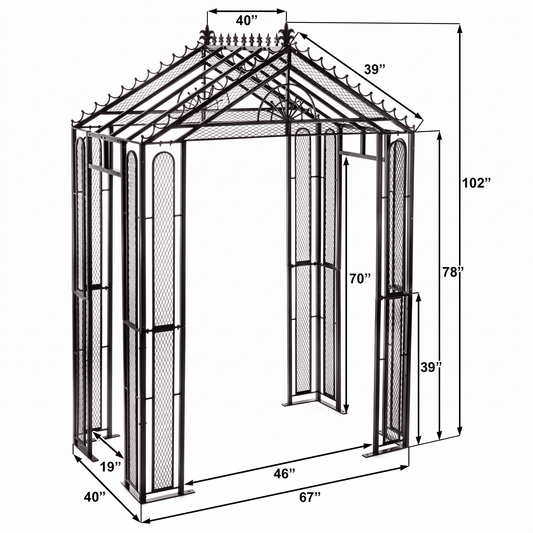
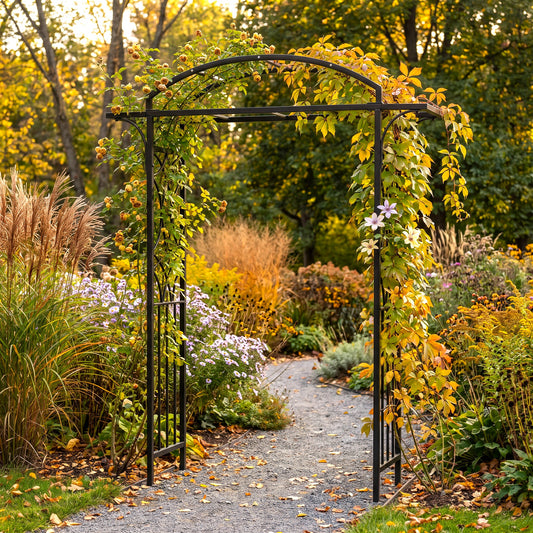
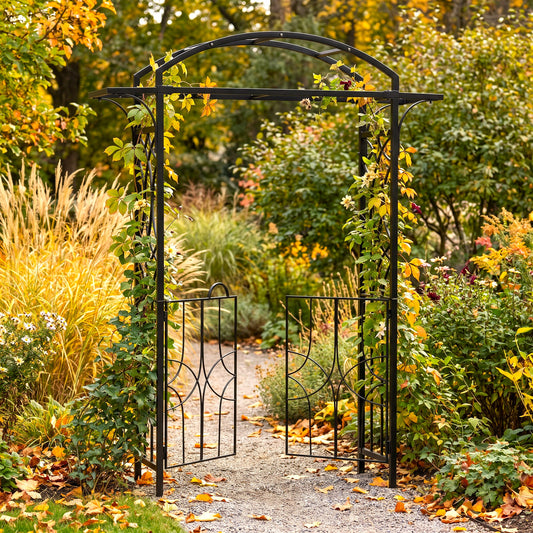
Fall is a wonderful time to plant climbing vines like clematis, climbing roses, and honeysuckle. Tucked in now, they spend the cool months settling in quietly, then wake in spring ready to reach upward instead of starting from scratch. It helps to have their support already in place, so this is the moment to set an iron trellis or a garden obelisk where you want that height next year. And if you are training a vine over an entrance or a pathway, a garden arbor gives your climber somewhere to go as it matures.
Remember, don't plant delicate plants or annuals during the Fall, but instead plant hearty bulbs and other plants that are likely to survive the winter cold (this may depend on your garden's location).
Plant Your Bulbs Before the Ground Freezes
While your perennial vines can go in the ground during either the Fall or Spring, if you want tulips, daffodils, alliums, and crocus to grace your garden next Spring, Fall planting is critical. Spring bulbs rely on the colder months in the Fall and winter to do their work underground, and getting them planted before the first hard freeze when the weather starts to drop is the only way to have blooming bulbs next year. Choose a spot with good drainage, set them at roughly two or three times their own depth, and then, happily, forget about them until they surprise you months later.
Refresh Your Planters and Window Boxes
Planters and Window Boxes are a little different than planting in your garden, while you might choose to add bulbs to a tall planter, most planters only need a quick refresh to seasonal foliage to make them look like new. Even though your summer plants are fading, don't let your planters sit empty during any season. Autumn is made for mums, ornamental kale and all other types of Fall foliage, all of which shrug off a chill and keep the color going well into the cold. A row of freshly planted window boxes or a pair of tall planters framing a doorway can carry your home's curb appeal straight through to the holidays.
Set Your Structure While the Soil Is Soft
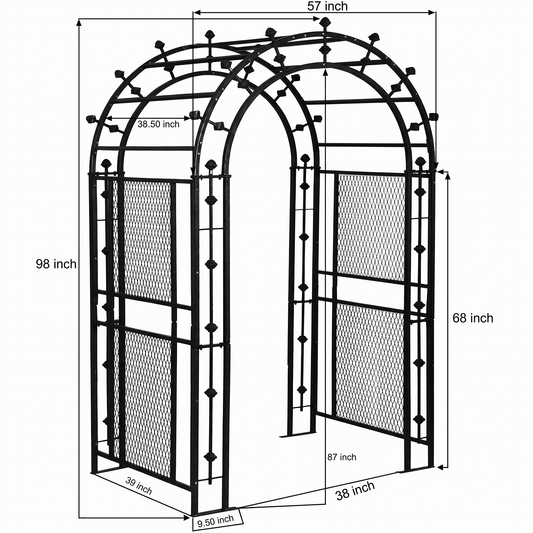
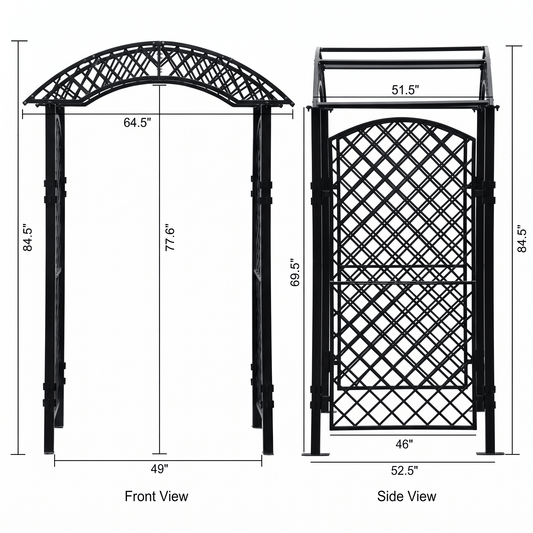
While it might seem counter-intuitive, Fall is a great time to set structures in the garden. From a practical standpoint, there's almost nothing to lose with freshening up the garden in the Fall. Trimming dead growth and older canes opens up spaces in your garden that are home to delicate new growth in the Springtime, reducing the impact installation of a new arbor or trellis has. For ease of installation, the soil is still soft and workable, which makes anchoring far easier than fighting frozen or spring-soaked ground. Installing your trellises, obelisks, and arbors now means everything is secure and standing ready the moment your plants decide to climb. And even bare, a well-made iron structure earns its keep through the winter, holding its shape as sculpture over a resting garden. If you are still deciding which piece suits your space, our guide to garden structures walks through how trellises, obelisks, and arbors each do their job.
FAQs: Fall Planting and Garden Prep
Fall provides conditions very similar to spring, with warm soil, cooler air, and increased moisture. These conditions encourage strong root development underground while the plant rests above the surface, setting it up for vigorous growth come spring.
Hearty bulbs like tulips, daffodils, alliums, and crocus are ideal fall plantings, as are perennial climbing vines like clematis, climbing roses, and honeysuckle. Avoid delicate plants and annuals that won't survive the winter cold.
Spring bulbs need to go in the ground before the first hard freeze. They rely on the cold months to do their work underground, and fall planting is the only way to have blooming bulbs the following spring.
Yes. The soil is still soft and workable in fall, making it much easier to anchor trellises, obelisks, and arbors than in frozen winter ground or waterlogged spring soil. Having structures in place before your climbers wake up in spring means they have support right when they need it.
Mums, ornamental kale, and seasonal fall foliage all hold up well in the cooler temperatures and keep your planters and window boxes looking full and colorful well into the cold months.