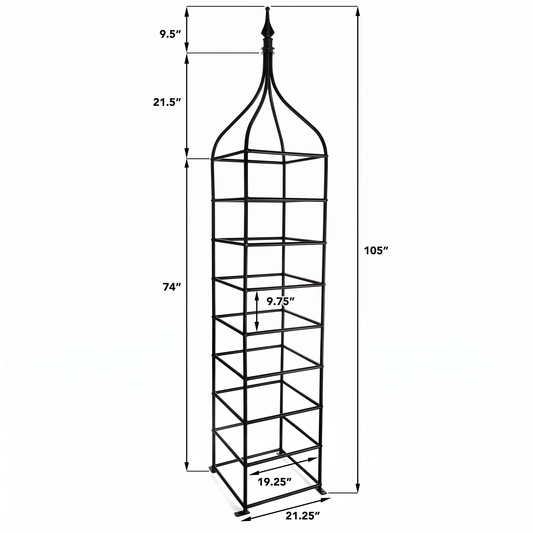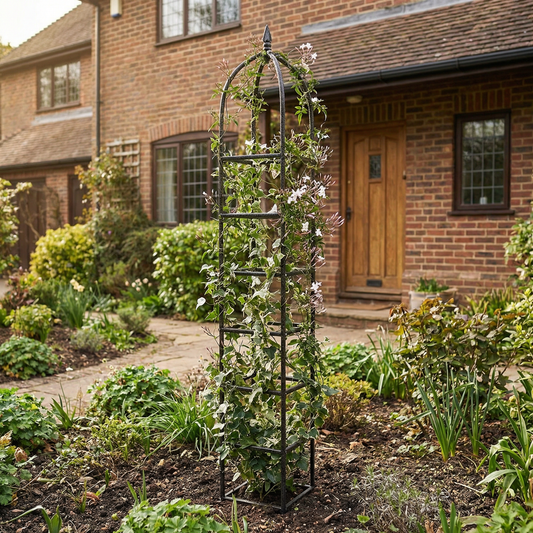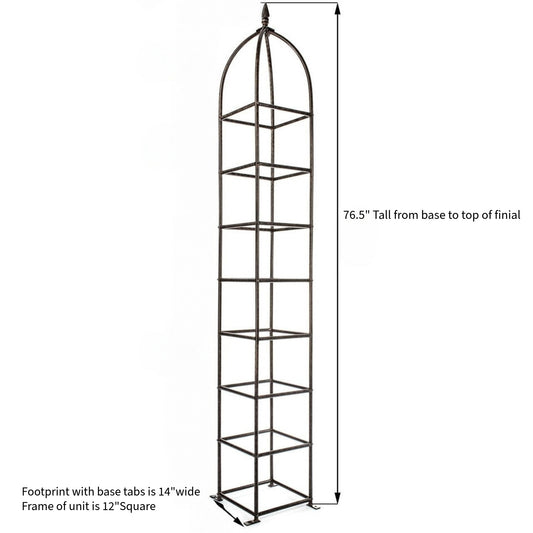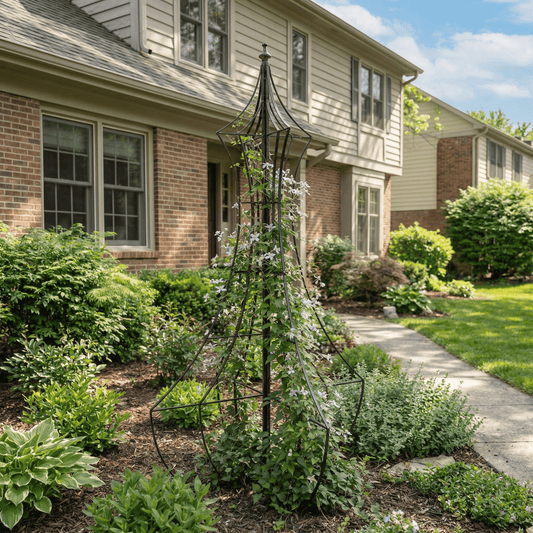
Benefits of Vertical Gardening with Trellises and Garden Structures
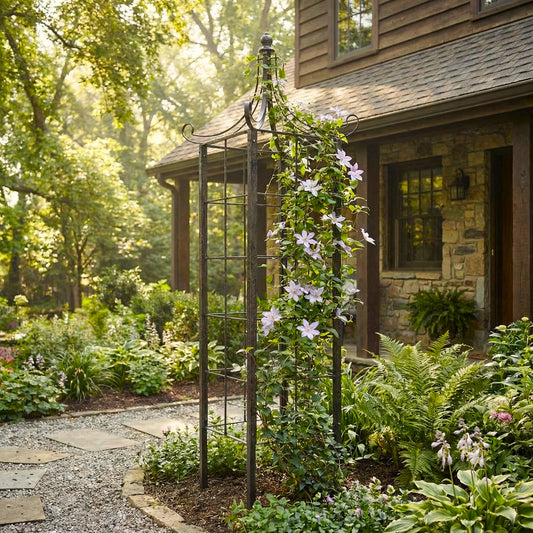
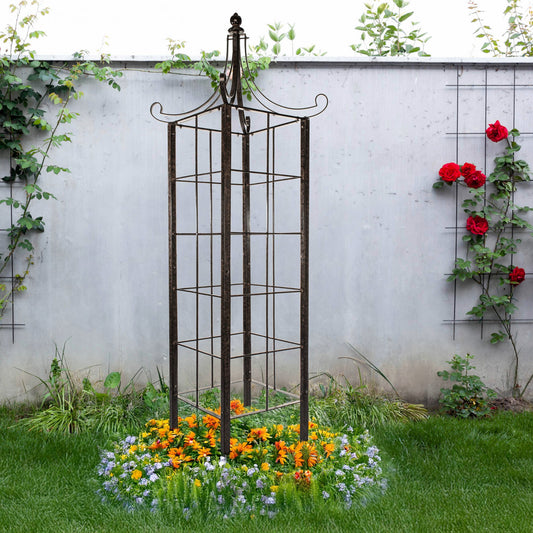
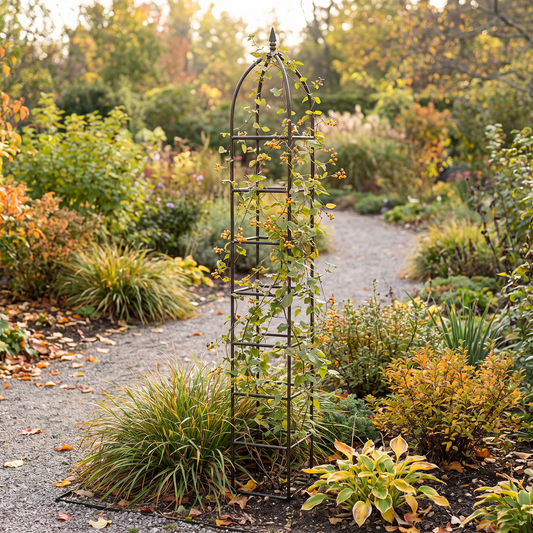
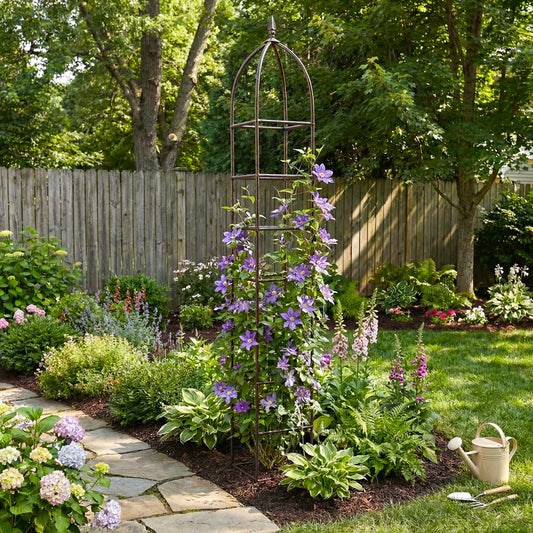
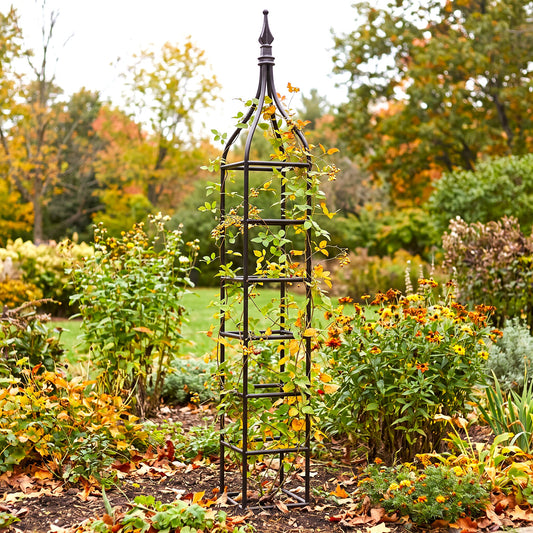
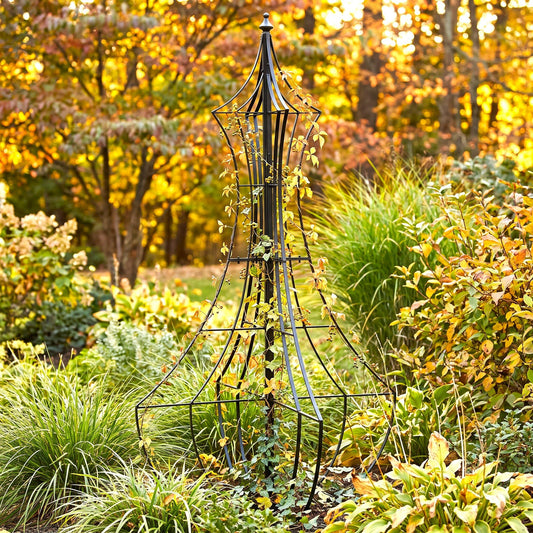
When presented with different methods of gardening, vertical gardening receives little attention despite its versatility in the world of planting. When aided by the presence of a trellis or garden obelisk, vertical planting has a number of different virtues that make it a fantastic planting method for gardeners of all different skill levels.
Our Practical Approach
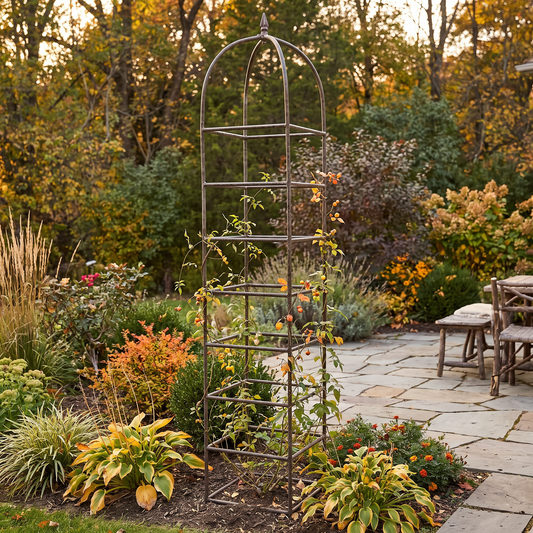
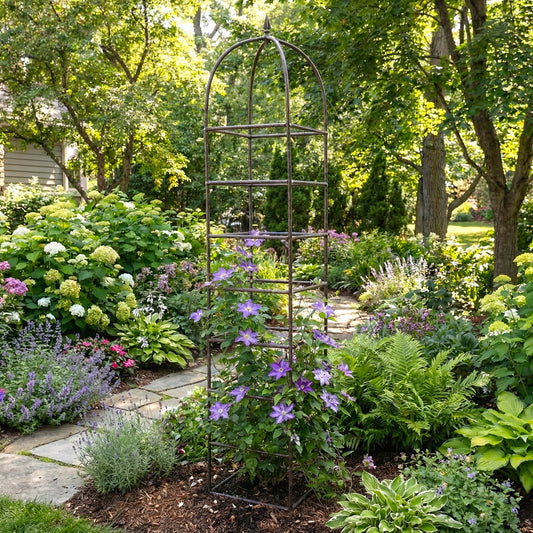
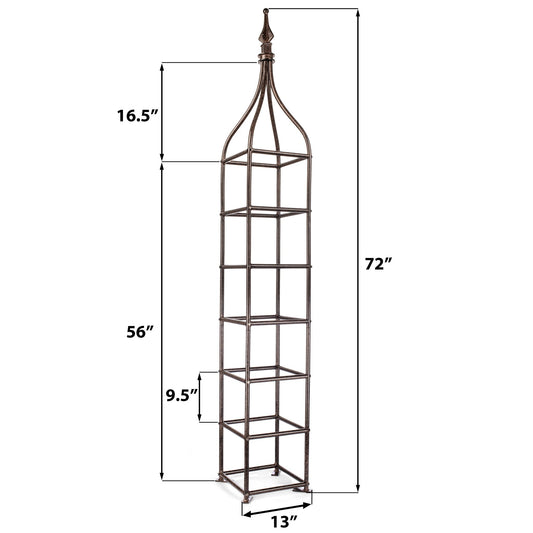
Vertical gardening works because it helps the gardener use space more wisely while also improving access, airflow, and the overall structure of the garden. At H Potter, we’ve long believed that trellises, obelisks, and other upright supports do more than hold plants up — they help shape a garden that is easier to maintain and more rewarding to grow.
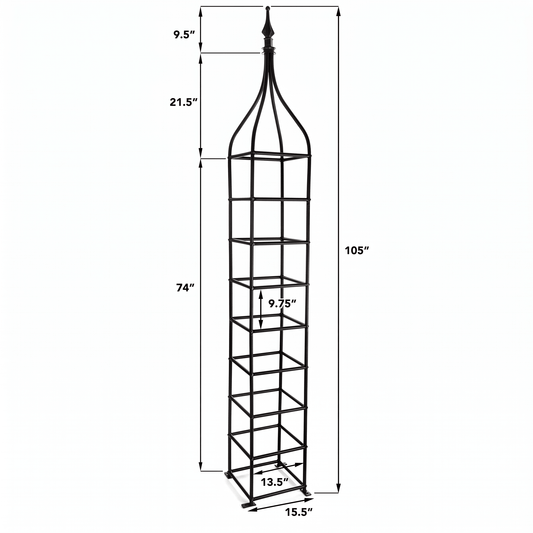
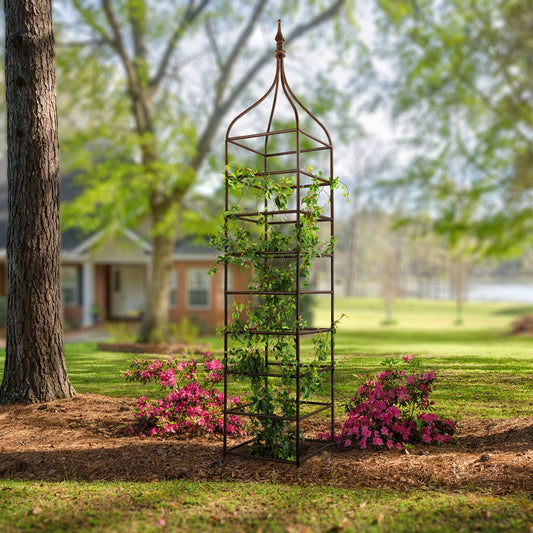
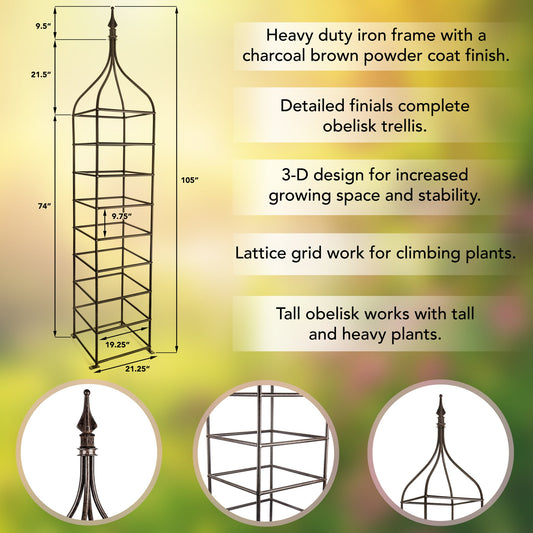
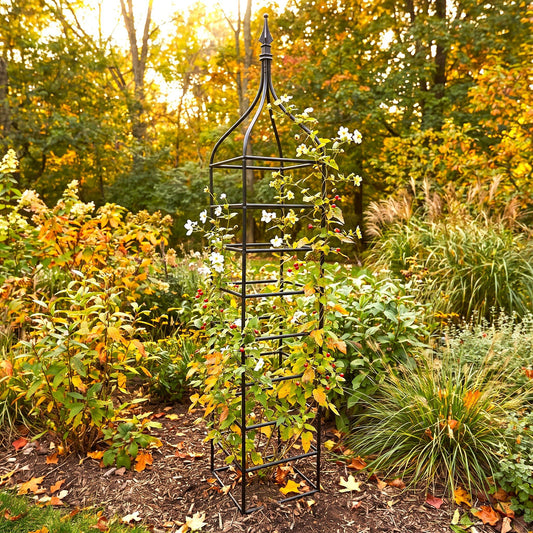
Helpful companions: explore our garden obelisks, learn more about the benefits of spring-forward vertical gardening methods, and see how metal garden arbors support vertical gardening.
Space Saver
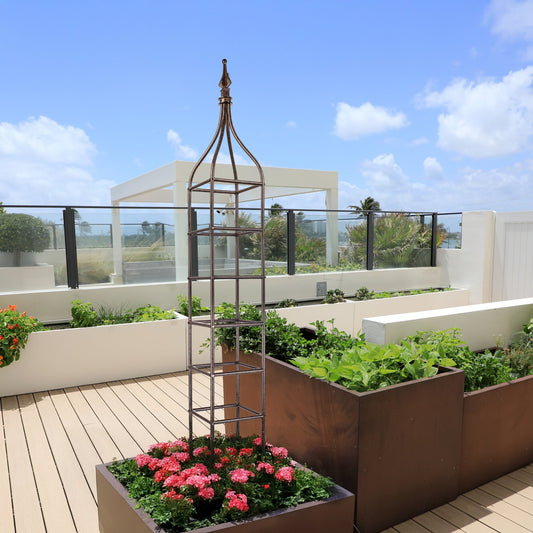
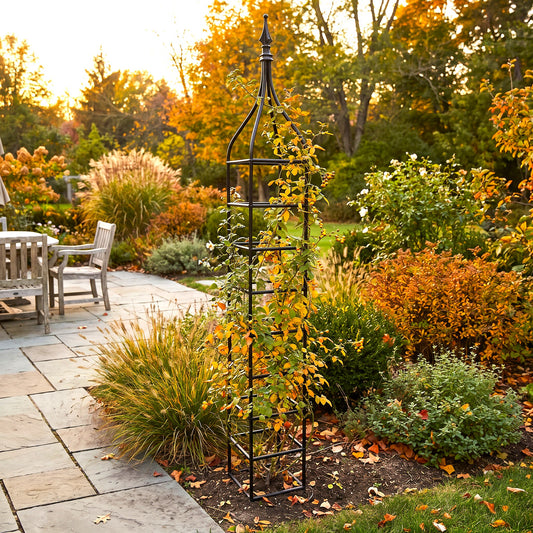
One of the greatest benefits of vertical gardening is its ability to maximize growing space in areas where traditional garden beds may not fit. By encouraging plants to grow upward rather than outward, vertical gardening allows you to make better use of patios, narrow garden beds, and compact outdoor areas. Structures such as metal arbors, trellises, and supports provide the strength and stability needed for long-term plant growth while enhancing the overall design of your landscape. To explore how metal garden arbors support vertical gardening and add lasting structure, read our guide to the benefits of metal garden arbors.
Be Careful Not to Overcrowd
While growing plants vertically on wall trellises and garden supports will obviously take up less space than other forms of growing and planting, the gardener will still want to make sure that the space is not overcrowded. This will often involve checking to make sure that the plants within the gardening space are not planted directly on top of each other and still have the suggested amount of separation. To better understand classic vertical garden supports, this article explains what an obelisk is and how the structure developed over time.
Optimal Yield
Remember that the yields of your garden will in fact be greater if you take proper spacing into consideration. Overcrowding your plants may seem like a quick way to get more out of your space, but this technique will backfire as the plants will choke each other out while competing for the scarce resources in a small area.
Ease in Maintenance
Not only does vertical planting make it easier to grow plants in small spaces, it also makes every other factor of maintenance just a little easier for the gardener. Planting in a vertical plane narrows the depth of the garden, which allows the gardener to reach more of the plant as clumps of plant material are less likely to form. This strength of vertical gardening makes the job that much easier for the gardener as they don’t have to climb through a mass of plants to prune, weed, or water.
Better Sun Exposure
Sun exposure will also be greatly increased in a vertical garden. The length of the plant will likely be more evenly spread out along a trellis or vertical planter or garden planter, exposing it to a greater amount of sunlight. The increased sun exposure to your plants will likely increase the amount of flowers, or fruits, that are present in your garden. This facet of vertical gardening will make your garden all the more vibrant, while also adding all the previous benefits.
Preventing Disease
Care for your plants will also be easier in a vertical planting system. The increased visibility of the plants and the ease of maintenance will do two things to help prevent disease and pests. First of all, it will make it easier for you to spot these problems. Diseases can be cut out of the plant more quickly and affect the entirety of the plant less severely, while pests will also be spotted sooner and can then be removed. This makes it easier to cut out much smaller portions of the plant to maintain the health of the whole garden.
Why Vertical Gardening Deserves More Attention
Vertical gardening may not always receive as much attention as traditional planting methods, but its advantages are hard to overlook. It helps save space, improve sun exposure, simplify maintenance, and support healthier plants. With the right trellis, obelisk, or arbor, vertical gardening can add both practical value and visual structure to the garden at the same time.
Related Vertical Gardening Resources
- Shop Garden Obelisks — freestanding vertical supports for flowers, vines, and climbing vegetables
- Benefits of Metal Garden Arbors — lasting structure for vertical growth and garden design
- What Is an Obelisk? — the history and purpose of this classic vertical garden form
- Spring-Forward Vertical Gardening Methods — seasonal planning ideas for growing up instead of out
FAQs: Benefits of Vertical Gardening
Vertical gardening is a method of growing plants upward on supports such as trellises, obelisks, arbors, or planters rather than allowing them to spread only across the ground.
It allows gardeners to use upward space instead of only ground space, which can make patios, narrow beds, and compact gardens much more productive.
Yes. Better spacing, more sunlight, easier maintenance, and faster spotting of disease or pests can all help support healthier plant growth.
Often, yes. Vertical growing can make it easier to reach plants for watering, pruning, training, and general care.
Garden trellises, wall trellises, obelisks, arbors, and certain planters are all common supports used to help plants grow vertically.