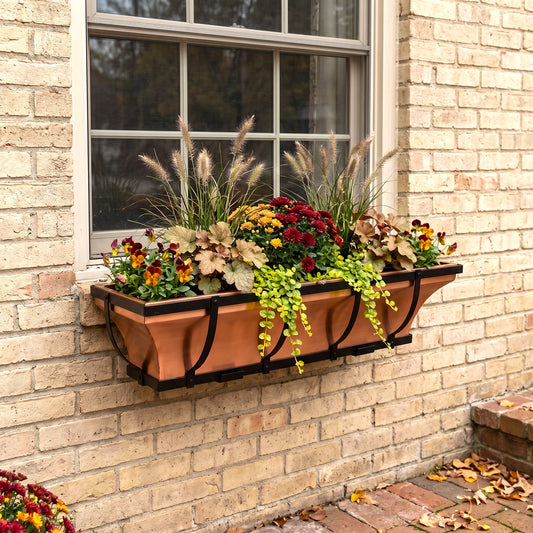
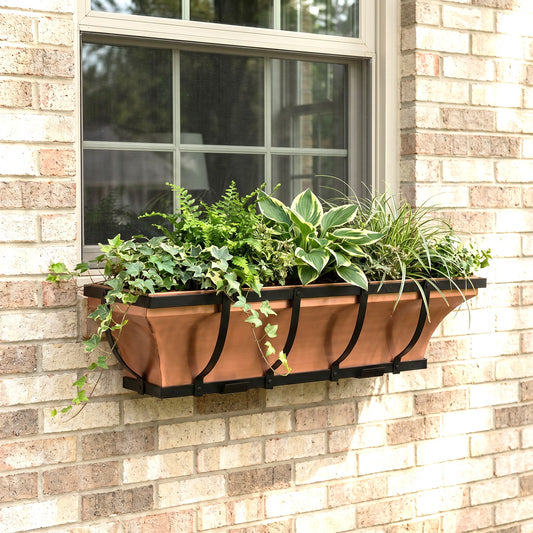
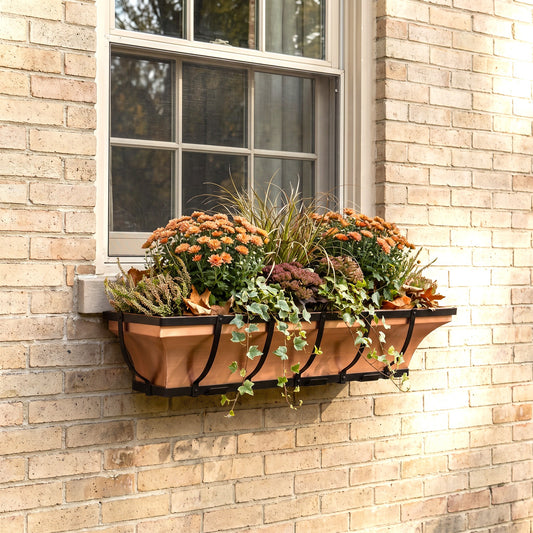
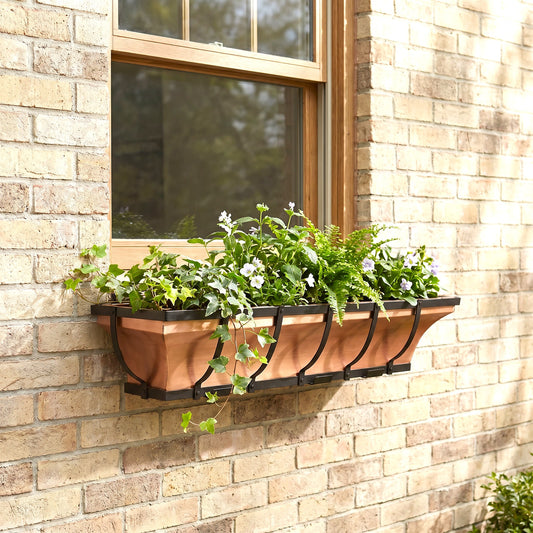
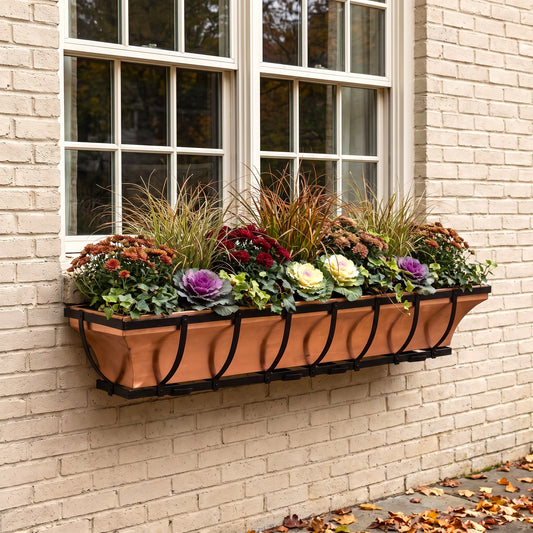
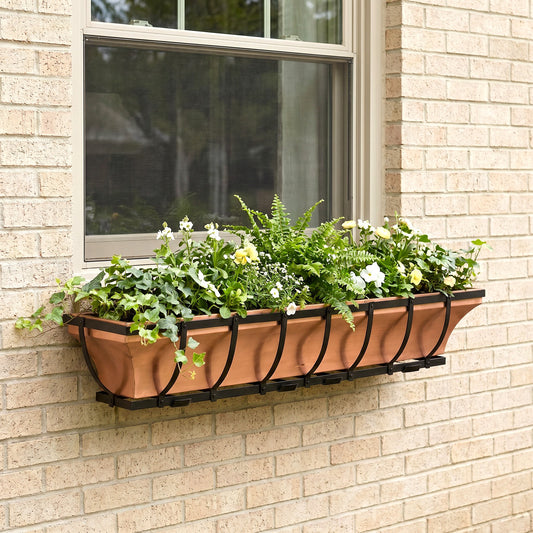
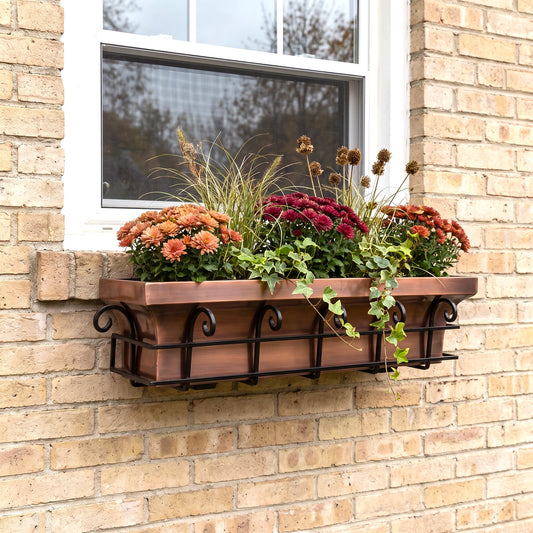
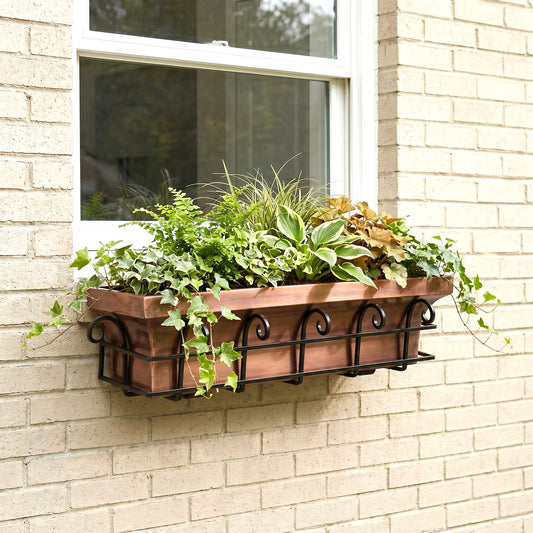
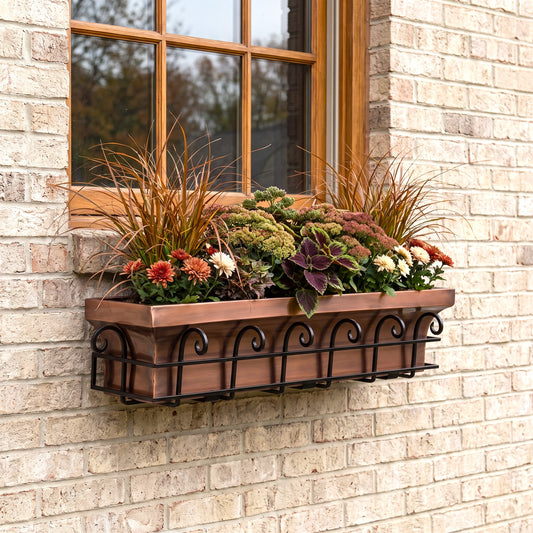
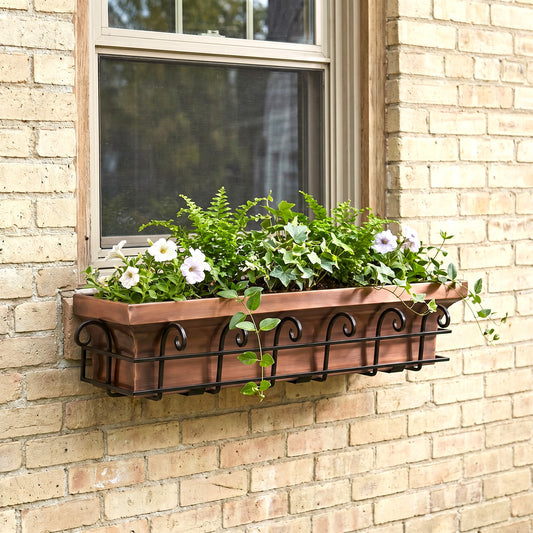
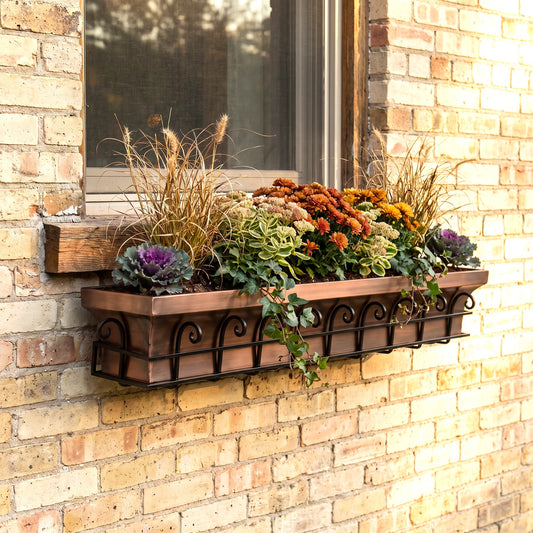
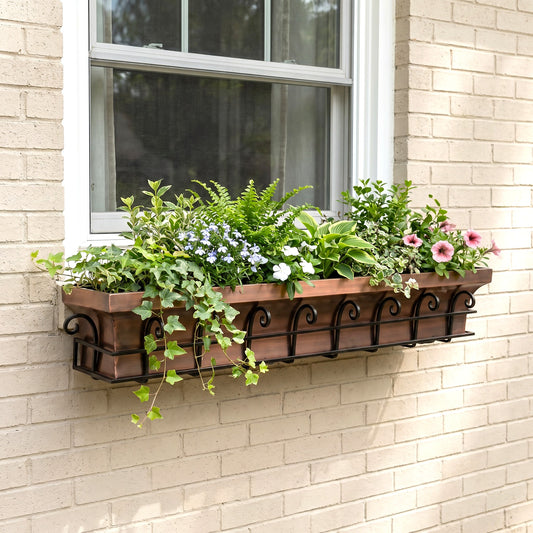
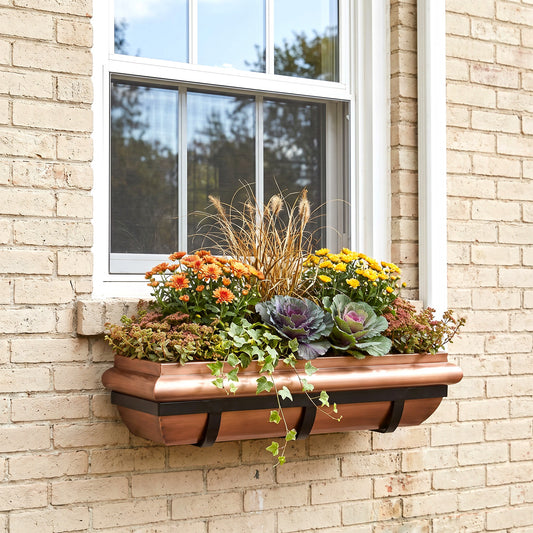
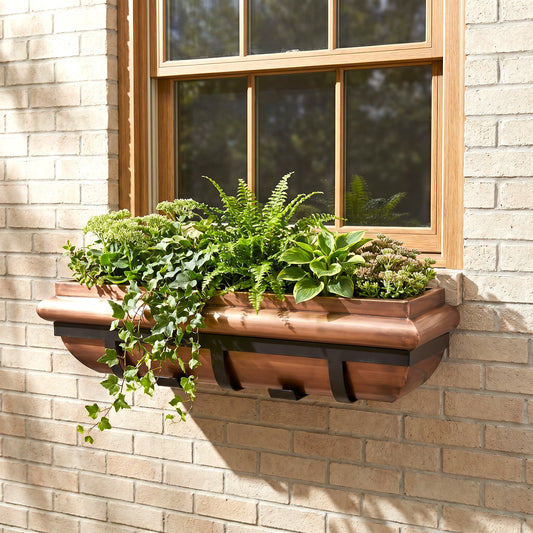
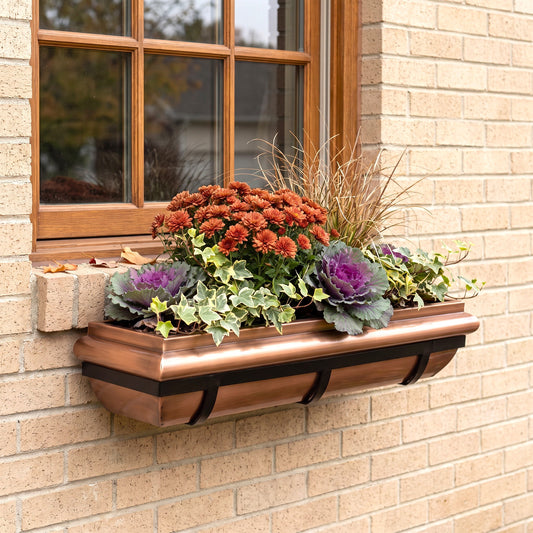
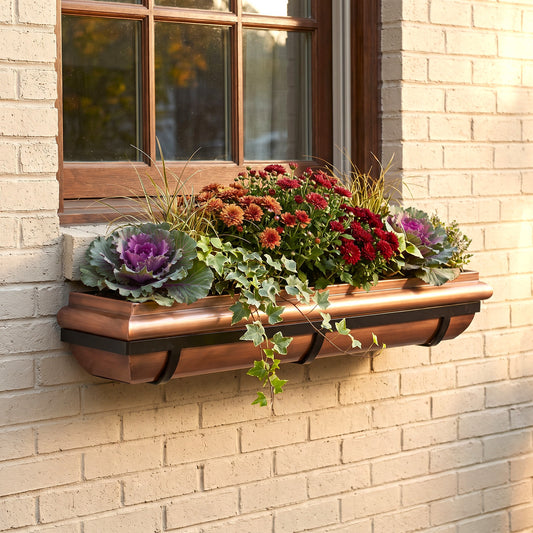
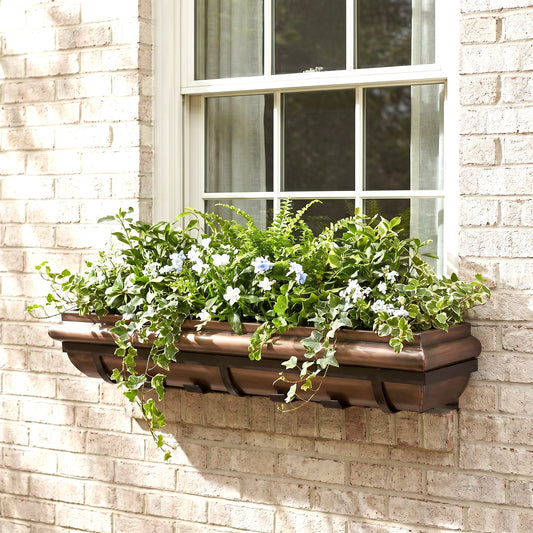
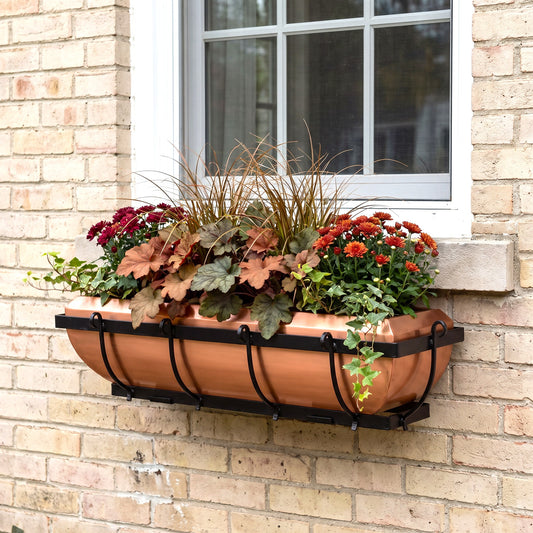
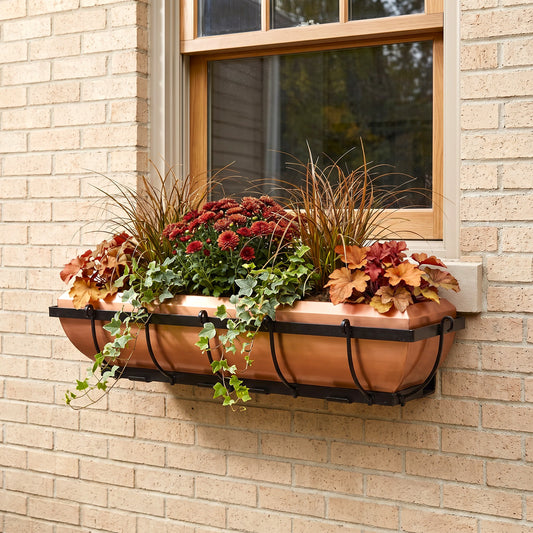
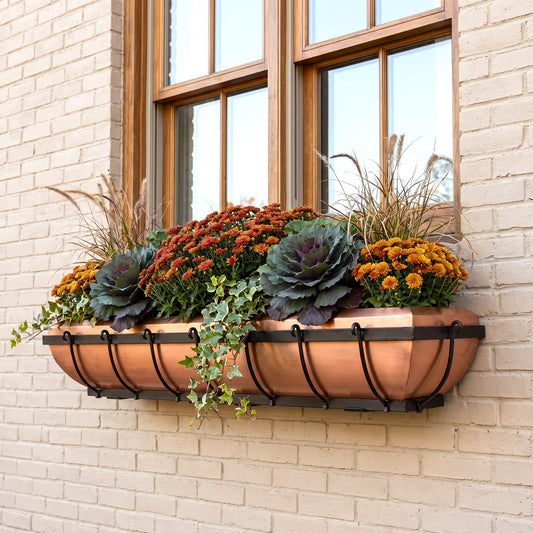
Window box planters add charm, color, and architectural interest to a home. This guide walks through the key choices—size, material, mounting, and planting—so your window boxes look beautiful season after season.
Why Add Window Boxes to Your Home?
A well-chosen window box creates instant curb appeal and a welcoming, lived-in look—without needing a large yard. Whether you plant bright blooms, fragrant herbs, or evergreen accents, window boxes give you a simple way to refresh your exterior throughout the year.
Gift idea: A handcrafted window box makes a memorable housewarming, wedding, or Mother’s Day gift—especially when paired with a seasonal plant plan (spring blooms, summer herbs, fall color).
-
Instant curb appeal with color and texture at eye level
-
Seasonal flexibility—swap plantings for spring, summer, fall, and winter
-
More growing space for smaller homes, townhomes, or apartments
-
Better “street view” impact than many ground-level plantings
-
Easy refresh—a quick replant changes the whole façade
How to Choose the Right Window Box
1) Pick the Right Size
For the most intentional look, choose a window box that is close to the width of the window it sits beneath (or slightly wider for visual balance). More soil volume also means steadier moisture, which helps plants thrive.
| Window Width |
Suggested Box Length |
Why It Works |
| Small windows |
24–30 inch |
Proportionate fit and easy maintenance |
| Standard windows |
30–36 inch |
Balanced “custom” look from the street |
| Large windows |
48 inch |
Maximum planting impact and fuller arrangements |
Browse sizes in our window box planter collection.
2) Choose a Material That Matches Your Style (and Your Climate)
| Material |
Best For |
Benefits |
| Copper |
Traditional, classic exteriors |
Warm tone, timeless character |
| Stainless Steel |
Modern or traditional homes |
Corrosion resistant, clean lines, built for long-term outdoor use |
What matters most: A window box needs to hold soil weight, drain well, and stay stable in weather. Quality materials help preserve structure and appearance over time.
3) Prioritize Drainage and Secure Mounting
Healthy window box plantings start with drainage. Look for drainage holes and a secure mounting system that can support the combined weight of soil, plants, and water (which gets heavier after watering).
- Confirm drainage holes so roots don’t sit in water
- Use secure brackets rated for outdoor conditions
- Check that the box sits level so watering distributes evenly
4) Match the Style of Your Home
Copper brings warmth and heritage charm; stainless steel offers a crisp, tailored look. Either way, choose a shape and finish that complements your trim, siding, and architectural details so your window boxes look intentional—not added-on.
Planting Considerations (Sun Exposure + “Thriller, Filler, Spiller”)
Before you plant, note your exposure: south- and west-facing windows typically receive the most sun, while north-facing windows often need shade-tolerant choices. A simple way to build a full look is the classic “thriller, filler, spiller” approach.
Easy layout: Choose 1 taller “thriller” for height, 2–3 “fillers” for fullness, and 2 “spillers” to trail over the edge for movement.
Need plant ideas by exposure? Start here: best flowers for window box planters (by sun and season).
- Use high-quality potting soil (lightweight, drains well)
- Check moisture often—window boxes can dry quickly in summer
- Refresh seasonally for a “new look” without new hardscaping
- Group plants with similar water and sun needs
Why Long-Lasting Construction Matters
A window box lives outdoors through sun, rain, wind, and temperature swings. Choosing a well-built planter helps it stay straight, stable, and beautiful over time—so your planting efforts look just as good from the street as they do up close.
Explore our copper and stainless window box planters designed for long-term outdoor use (and a refined look that works with classic and modern homes alike).
Why H Potter Window Boxes Look Custom (and Stay That Way)
The “right” window box isn’t just about style — it’s about proportion, drainage, and materials that hold up outdoors. When your planter is well-built and sized correctly, your plantings look intentional from the street and stay easier to maintain season after season.
-
Proportion-first sizing: choosing a length close to your window width creates a tailored, architectural look.
-
Outdoor-ready materials: durable construction helps resist weather exposure and keeps the box stable over time.
-
Made for real planting: proper drainage and secure mounting support healthy roots and safer installs.
Want the full plan from sizing to planting formulas? Start here: Complete Window Box Guide.
Frequently Asked Questions
What size window box should I choose?
For the most balanced look, choose a box that’s close to the width of your window (or slightly wider). Larger boxes also hold more soil, which helps stabilize moisture for healthier plants.
Do window boxes need drainage holes?
Yes. Drainage prevents roots from sitting in water and reduces the risk of rot. Pair good drainage with a secure, level install so watering distributes evenly across the box.
How much weight can a window box hold?
A planted window box becomes significantly heavier after watering. Use mounting hardware and brackets rated for outdoor conditions and the full combined weight of soil, plants, and water.
What is the thriller–filler–spiller method?
It’s a simple design formula: one taller focal “thriller” for height, several “fillers” to build fullness, and “spillers” that trail over the edge for movement and softness.
How do I choose between copper and stainless steel?
Copper tends to complement traditional and historic homes with warm tone and character, while stainless steel offers clean lines and strong corrosion resistance for modern or transitional exteriors.