Tall Outdoor Planters
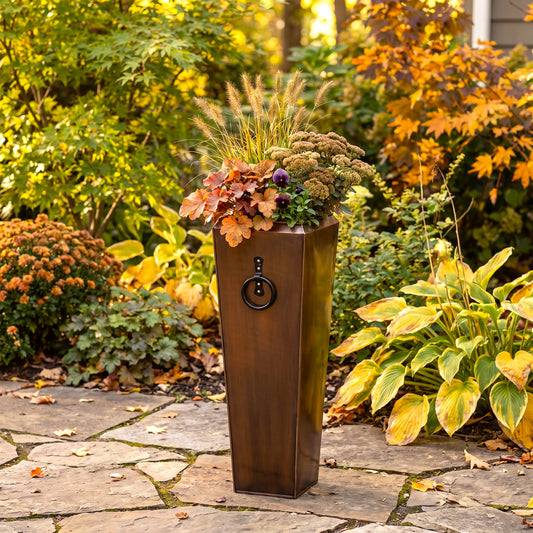
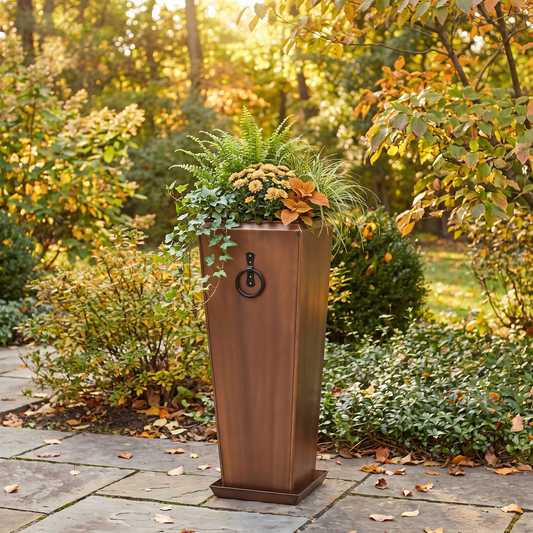
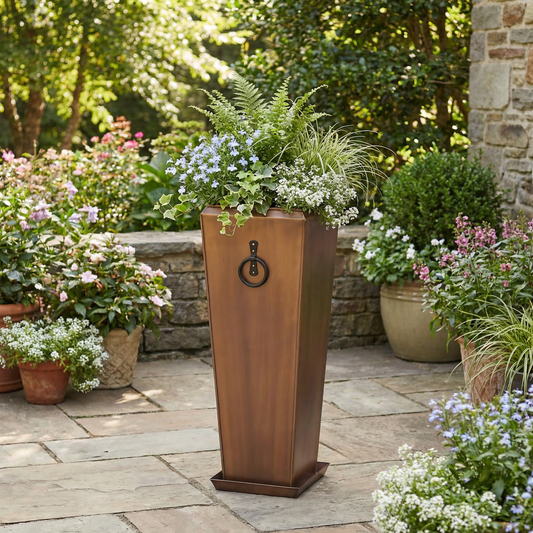
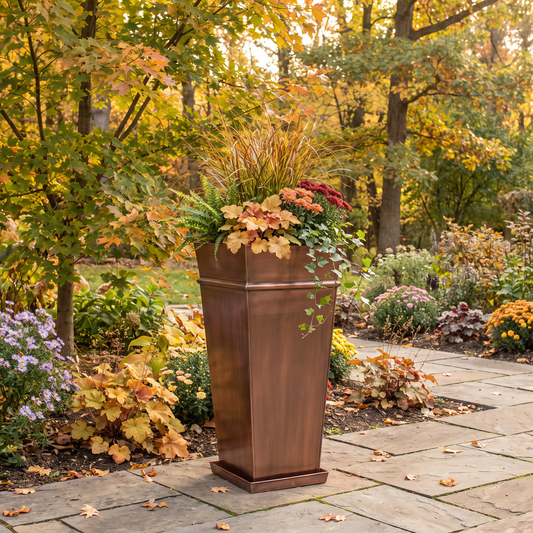
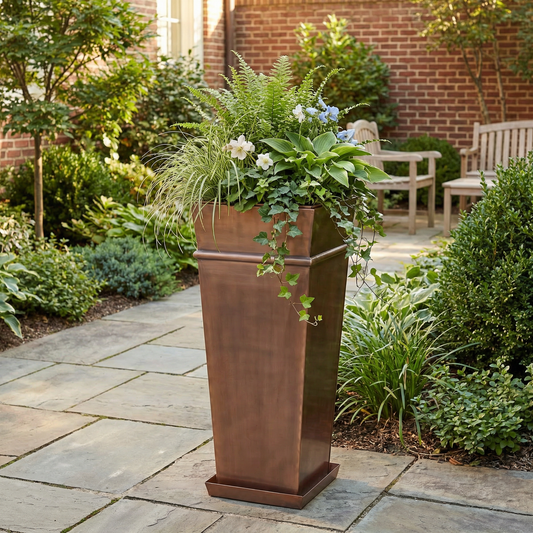
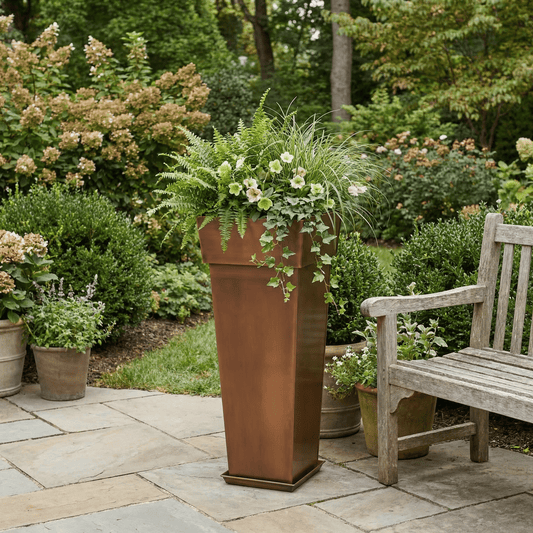
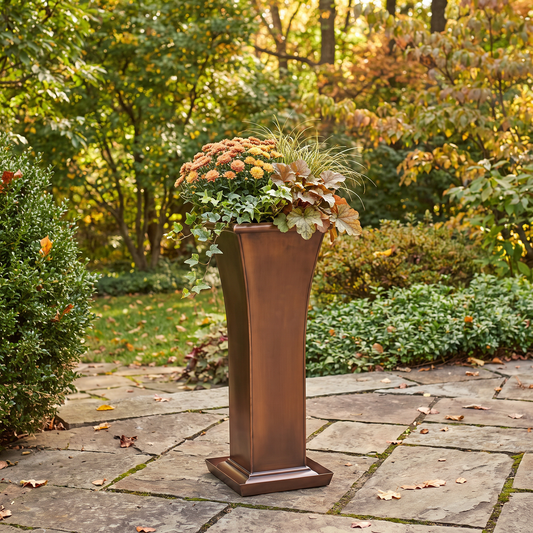
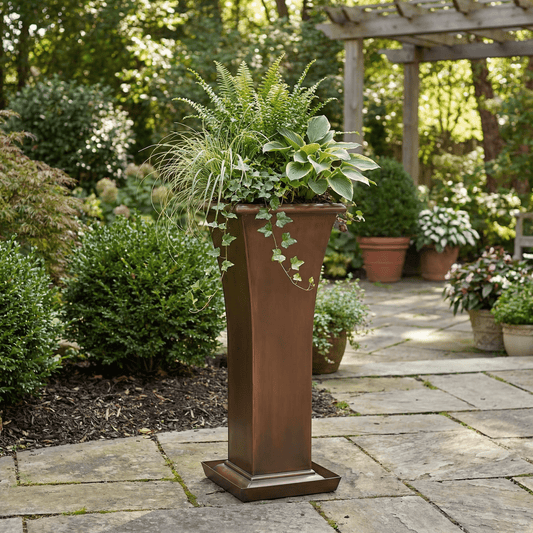
Planter pots offer versatility and aesthetic appeal to any outdoor space. Choosing the right planter involves considerations of size, placement, and the types of plants to cultivate. Visually upgrade your outdoor landscaping quickly with the addition of tall planters displayed in multiples along a garden pathway or paired together at your home or garden entryway.
Tall outdoor planters aren't simply oversized containers; they're architectural elements that bridge the gap between hardscape and softscape, between the built environment and the natural world. They serve as pedestals for nature's artistry, elevating both plants and the spaces they inhabit to new levels of sophistication and visual impact.
Height Considerations
Applying Scale Principles: When selecting tall planters, consider the scale of surrounding elements. A 36-inch planter pairs beautifully with standard porch railings (typically 36-42 inches), creating harmonious proportional relationships. For larger spaces like expansive patios or commercial entrances, planters in the 30-36 inch range provide substantial presence without overwhelming the space.
Creating Visual Weight: Tall planters carry significant visual weight that must be balanced within the overall design. A single large planter can anchor an entire seating area, while pairs create formal symmetry perfect for entryways. Groups of three or five planters in varying heights create dynamic, naturalistic arrangements that guide the eye through the landscape.
The height of outdoor planters varies depending on the space and the plants you intend to grow. Generally, taller planters, ranging from 18 inches to 36 inches, offer ample space for plants to thrive. This size allows for various arrangements and can help you master the thrill, fill and spill method, layering plant colors and textures for a spectacular display. Consider H Potter planters which include custom planting inserts with drainage, so you only fill the insert with planting material.
Best Plants for Outdoor Planters
Selecting the ideal plants is crucial for a successful planter display. Taller planters provide an opportunity to grow an assortment of flora, including ornamental grasses, perennial flowers like salvia or daylilies. Consider the local climate and the amount of sunlight the location receives when choosing plant varieties. Your grouping should have similar needs to thrive together.
Structural Planting Principles: Begin every tall planter arrangement with a structural element—a plant that provides consistent form and serves as the composition's backbone. This might be a small ornamental tree, a large perennial grass, or an architectural succulent. This anchor plant should occupy roughly one-third of the planter's visual space and remain attractive throughout the growing season.
Layered Complexity: Build complexity through layering plants of different heights, textures, and growth habits. The classic "thriller, filler, spiller" formula works well, but sophisticated arrangements go beyond this basic structure to create naturalistic plant communities that mirror how plants grow in nature.
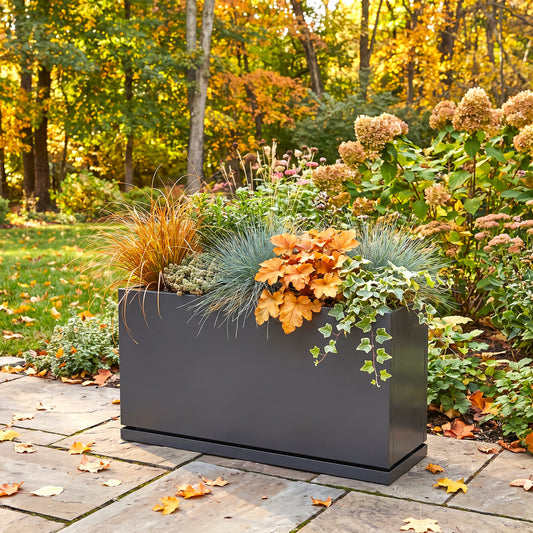
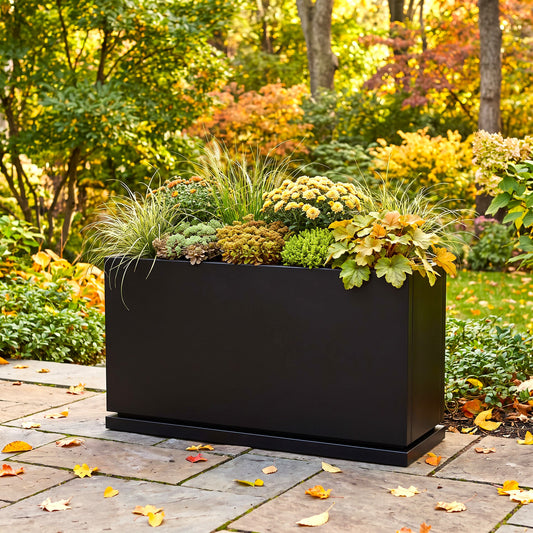
Seasonal Succession Planning: The most dynamic tall planter displays change throughout the year, with different plants taking center stage as seasons progress. Spring might feature early bulbs and fresh foliage, summer could showcase flowering annuals and lush growth, fall might highlight ornamental grasses and colorful foliage, while winter displays could emphasize evergreen structure and interesting bark or stem colors.
Understanding Exposure Requirements
Full Sun Strategies: Tall planters in full sun locations face unique challenges including rapid soil drying, intense heat buildup, and potential plant stress. Success requires selecting heat-tolerant plants and implementing water-retention strategies.
Recommended Full Sun Plants:
- Ornamental Grasses: Fountain grass, feather reed grass, and miscanthus provide movement, texture, and seasonal interest while tolerating heat and wind.
- Mediterranean Herbs: Rosemary, lavender, and sage thrive in hot, sunny conditions while providing fragrance and culinary value.
- Drought-Tolerant Perennials: Sedum, echinacea, and rudbeckia provide color and attract beneficial insects while requiring minimal water once established.
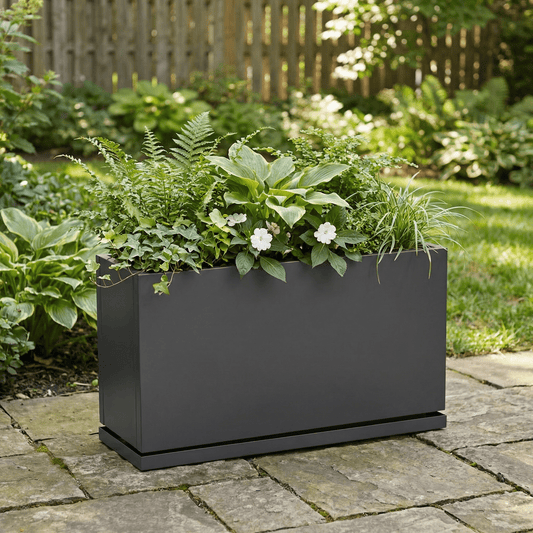
Partial Shade Solutions: Partial shade locations offer more planting options but require understanding how light patterns change throughout the day and seasons.
Recommended Partial Shade Plants:
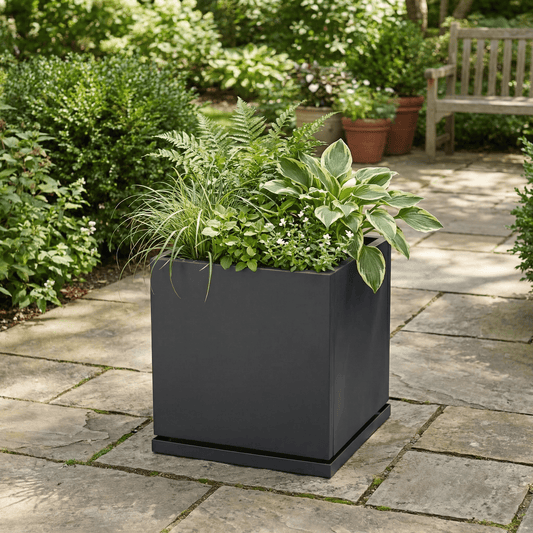
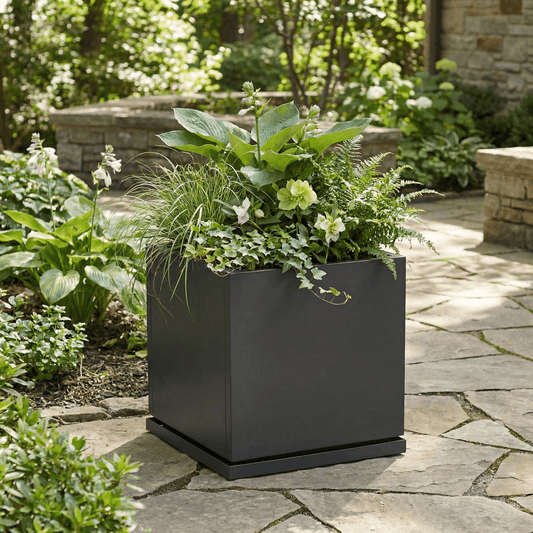
- Hostas: Available in numerous sizes and leaf patterns, hostas provide reliable foliage interest and seasonal flowers.
- Heuchera: Coral bells offer colorful foliage in shades from lime green to deep purple, with delicate flower spikes in summer.
- Astilbe: Feathery flower plumes in spring and attractive foliage throughout the season make astilbe ideal for shaded planters.
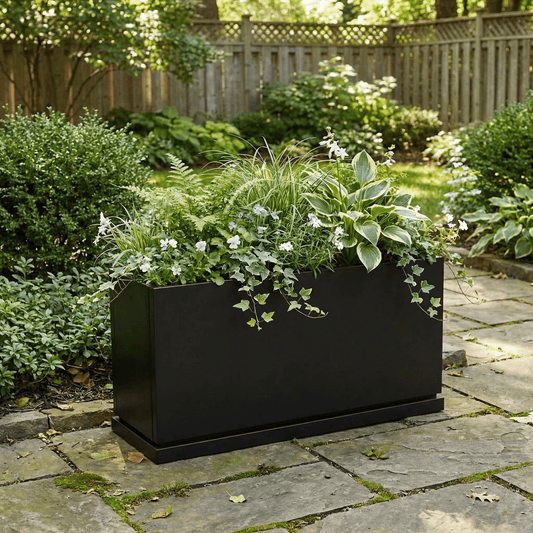
Full Shade Challenges: Deep shade locations limit plant options but can still support beautiful displays with proper plant selection.
Recommended Full Shade Plants:
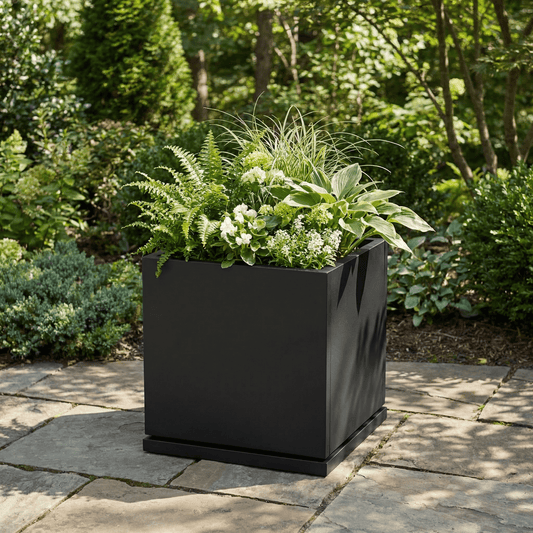
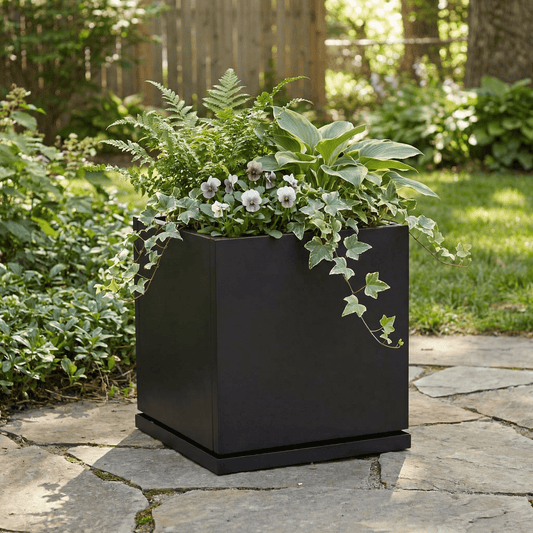
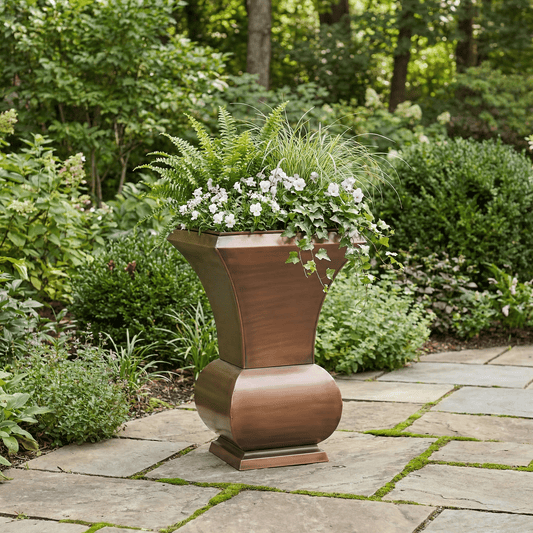
- Ferns: From delicate maidenhair ferns to bold royal ferns, this diverse group provides texture and movement in shaded locations.
- Caladium: Heart-shaped leaves in striking color combinations provide tropical flair in shaded summer displays.
- Begonias: Wax begonias and rex begonias offer flowers and colorful foliage for shaded container gardens.
Seasonal Interest Planning
Spring Awakening: Design spring displays that celebrate renewal and fresh growth. Include early-blooming bulbs, fresh green foliage, and plants that provide structure as other plants emerge from winter dormancy.
Summer Abundance: Summer planters can support the most diverse and colorful displays. Take advantage of warm weather to include tropical plants, abundant flowering annuals, and lush foliage plants that create dramatic impact.
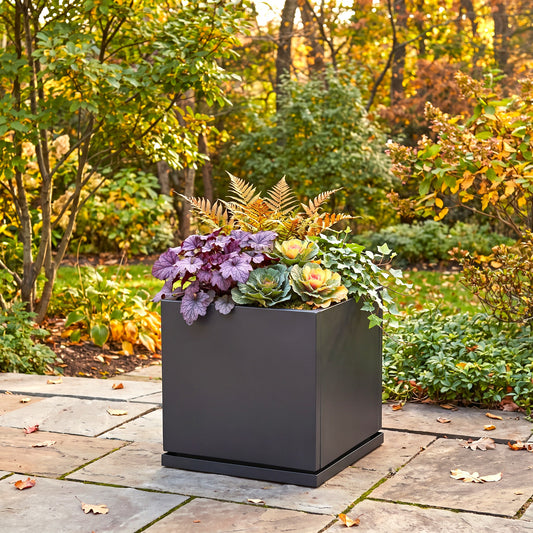
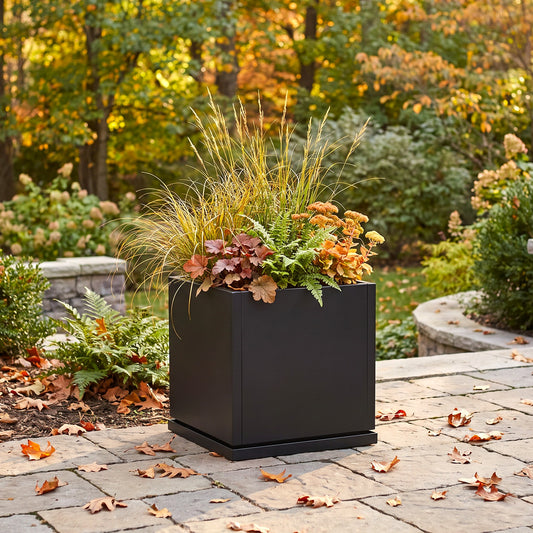
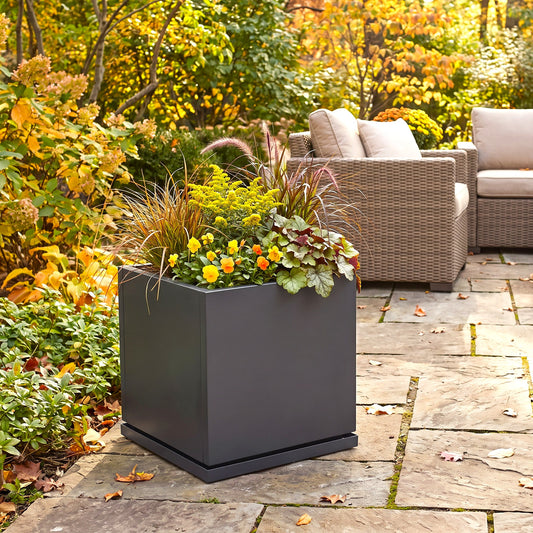
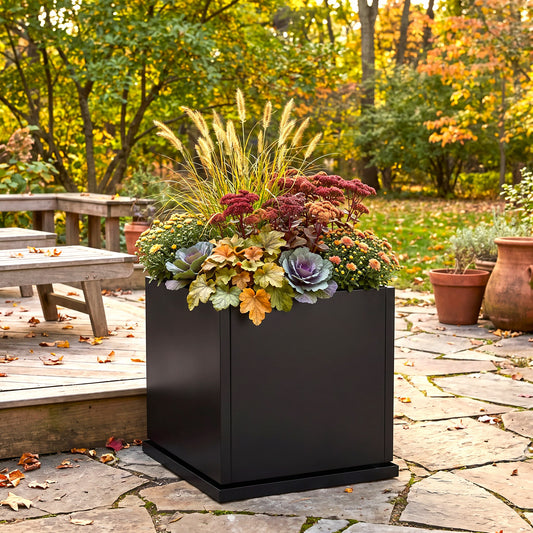
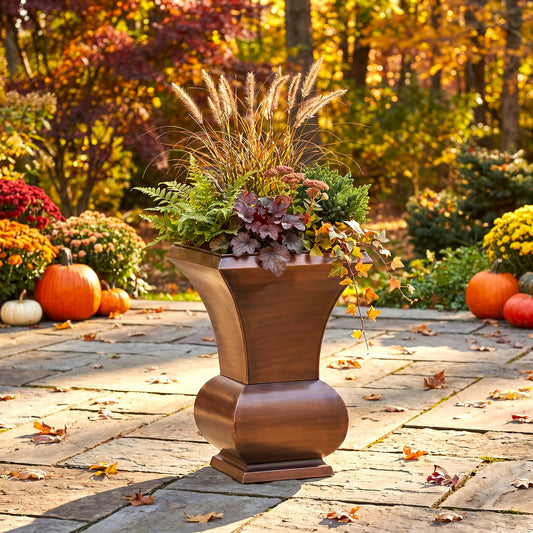
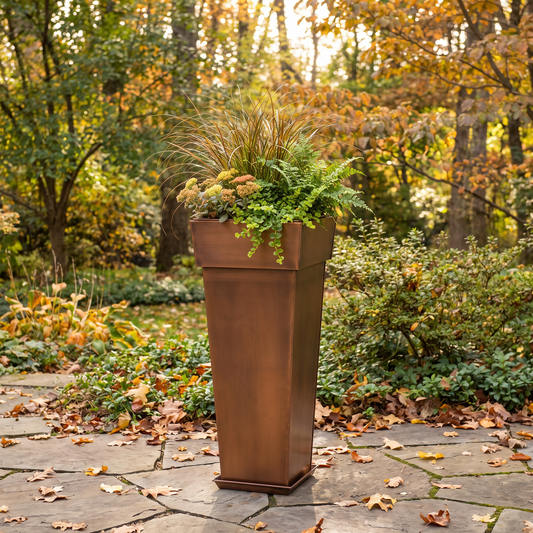
Autumn Transitions: Fall displays should celebrate the changing season with plants that offer colorful foliage, interesting seed heads, or late-season flowers. Include ornamental grasses, chrysanthemums, and plants with berries or interesting bark.
Winter Structure: Winter planters in cold climates must rely on evergreen plants, interesting bark, and structural elements to maintain visual interest. In milder climates, winter can be a season of subtle beauty with plants that thrive in cool weather.
Proper Filling for Tall Planters
For any size planter pot, it's essential to ensure proper drainage. To help facilitate drainage, place a layer of gravel or small rocks at the bottom of the planter insert to prevent waterlogging, which could damage plant roots. Follow this with a layer of landscaping fabric to prevent soil from seeping through the gravel. Choosing plants with similar water needs is also an important factor.
Understanding Root Architecture: Different plants have vastly different root systems that affect how they perform in containers. Tap-rooted plants like carrots or dandelions need deep soil, while fibrous-rooted plants like grasses spread horizontally. Understanding these differences helps create compatible plant communities that thrive together.
Drainage Engineering: Proper drainage is crucial for tall planter success, but it's more complex than simply adding gravel to the bottom. H Potter's custom insert system creates optimal drainage while maximizing soil volume. The insert design includes drainage holes positioned to prevent waterlogging while maintaining adequate moisture retention.
Placement in Your Outdoor Landscaping
Positioning tall outdoor planters strategically can enhance the overall landscape. These sleek planters can serve as stunning front yard or backyard focal points when placed at front door entryways or on patios and decks. Consider grouping them in multiples or along pathways to create a visually appealing arrangement.
Entryway Excellence
Creating Welcoming Transitions: Tall planters at entryways serve as transition elements between public and private spaces. They should be substantial enough to make a statement while remaining proportional to the architecture they complement. For most residential applications, planters in the 24-30 inch height range provide ideal scale.
Symmetrical vs. Asymmetrical Arrangements: Formal entryways benefit from symmetrical planter placement, creating a sense of order and elegance. Informal or contemporary settings often look better with asymmetrical arrangements that feel more natural and relaxed. Consider the architectural style of your home when deciding between these approaches.
Seasonal Flexibility: Entryway planters should look attractive year-round, which requires planning for seasonal plant changes or selecting plants that provide multi-season interest. Evergreen structural plants combined with seasonal color additions create displays that remain welcoming throughout the year.
Patio and Deck Integration
Defining Outdoor Rooms: Tall planters can define different areas within large patios or decks, creating intimate seating areas or separating dining spaces from lounging areas. This spatial definition makes outdoor areas feel more purposeful and comfortable.
Privacy Screening: Strategically placed tall planters filled with appropriate plants can provide privacy screening without the permanence of fences or walls. Fast-growing plants like bamboo or ornamental grasses can quickly create effective screens that soften harsh architectural lines.
Microclimate Creation: Groups of tall planters can create beneficial microclimates for both plants and people. They provide wind protection, create shade patterns, and can help moderate temperatures in outdoor seating areas.
Pathway and Border Applications
Rhythm and Repetition: Tall planters placed at regular intervals along pathways create rhythm that guides visitors through the landscape. The spacing between planters should relate to human walking pace, typically 8-12 feet apart for comfortable visual rhythm.
Transition Markers: Use tall planters to mark transitions between different garden areas or to highlight important features like gates, steps, or seating areas. These marker plantings help visitors navigate the landscape intuitively.
Border Definition: Tall planters can define property boundaries or separate different functional areas within the landscape without creating harsh visual barriers. They provide definition while maintaining openness and visual flow.
Maintenance
Seasonal Maintenance Schedules
Spring Preparation: Remove winter protection, prune dead or damaged growth, refresh mulch, and begin regular watering and fertilization schedules. This is also the ideal time for repotting or root pruning if needed.
Summer Care: Focus on consistent watering, deadheading spent flowers, and monitoring for pest or disease problems. Summer is also the time for enjoying the results of careful planning and maintenance.
Fall Transition: Reduce watering and fertilization as plants prepare for dormancy. Remove spent annuals and add winter interest plants if desired. This is also the time to plan for winter protection in cold climates.
Winter Protection: In cold climates, tall planters may need protection from freezing temperatures that can damage both plants and containers. Insulation, relocation, or plant replacement may be necessary depending on local conditions.
Making a Statement
Incorporating tall planters into outdoor landscape design not only adds aesthetic appeal but also provides an excellent platform to grow a diverse range of plants, making a statement in any outdoor space.