Benefits of Bees in the Garden
When you watch a bee navigate through your garden, moving purposefully from bloom to bloom, you're witnessing one of nature's most ancient and essential partnerships. This relationship between bees and flowering plants has been evolving for over 100 million years. Bees are an essential part of any garden ecosystem. They are responsible for pollinating plants and flowers, which helps to ensure that they produce fruit and seeds. Without bees, many plants would not be able to reproduce, which could have a devastating impact on the environment and agriculture. In this blog post, we will explore the benefits of bees in the garden and provide tips on how to attract and care for them.
The Pollination Process: Nature's Precision Engineering
Flower Architecture and Bee Anatomy: Flowers and bees have co-evolved to create perfect partnerships. The shape, color, and scent of flowers are specifically designed to attract their preferred pollinators. Bees see ultraviolet patterns on petals that are invisible to human eyes—landing strips that guide them to nectar sources while ensuring they contact reproductive parts of the flower.
Cross-Pollination Benefits: When bees move between flowers of the same species, they facilitate cross-pollination, which increases genetic diversity in plant populations. This genetic mixing creates stronger, more resilient plants that can better adapt to environmental changes and resist diseases. For gardeners, this means healthier plants, better fruit production, and more robust flower displays.
Timing Synchronization: Many plants have evolved to bloom when their preferred pollinators are most active. Early spring flowers like crocuses and snowdrops provide crucial early-season food for bees emerging from winter dormancy, while late-blooming asters and goldenrod help bees build energy reserves for winter survival.
Plants and Flowers That Attract Bees
Bees are attracted to flowers that are brightly colored and have a strong scent. Some of the best plants and flowers for attracting bees include lavender, borage, sunflowers, marigolds, and cosmos. Herbs like mint, thyme, and oregano are also popular among bees.
Plants and Flowers That Benefit from Bees
Many plants and flowers benefit from bees, including fruit trees, berries, and vegetables. Some of the most popular crops that benefit from bees include strawberries, blueberries, cucumbers, squash, and melons. Without bees, these plants would not be able to produce the fruit and vegetables that we enjoy eating.
Creating a Healthy Garden for Bees
To have a healthy garden for your bees, you should avoid using pesticides and chemicals that can harm them. Instead, opt for organic gardening methods that promote healthy soil and plants. Additionally, provide a source of water for your bees, such as a small birdbath or shallow dish.
Advanced Planting Strategies Using H Potter Structures
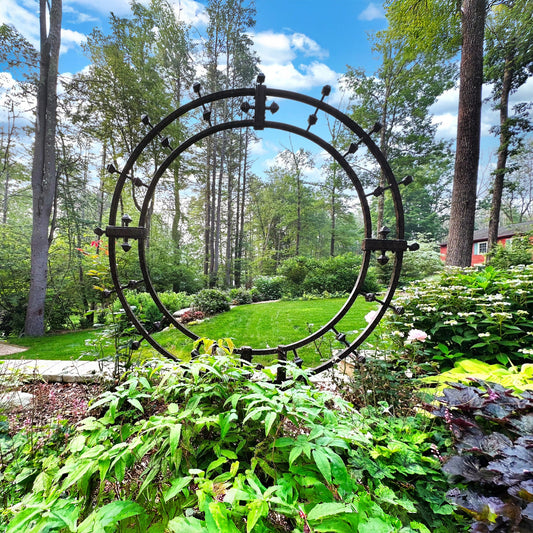
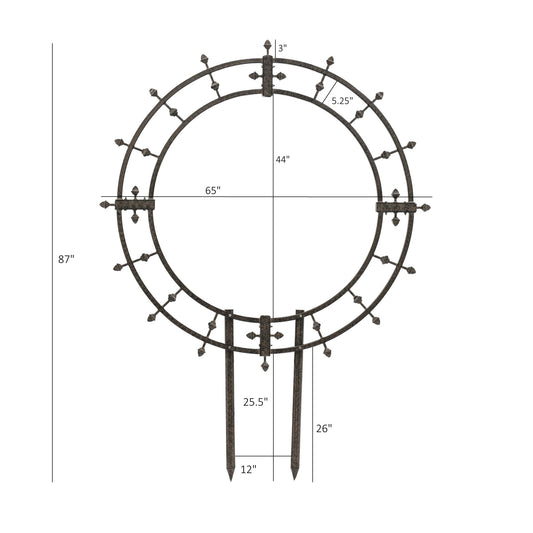
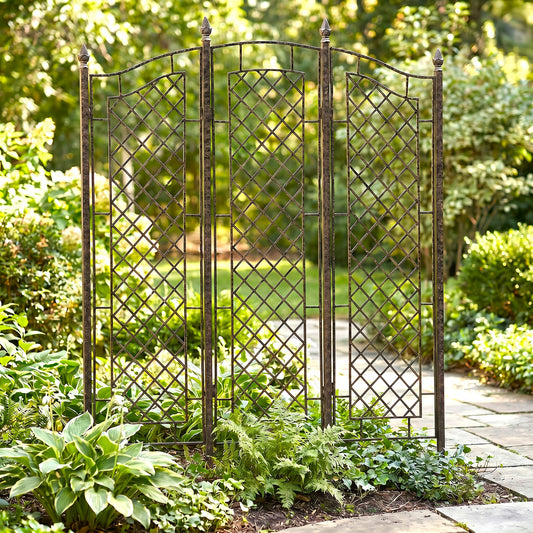
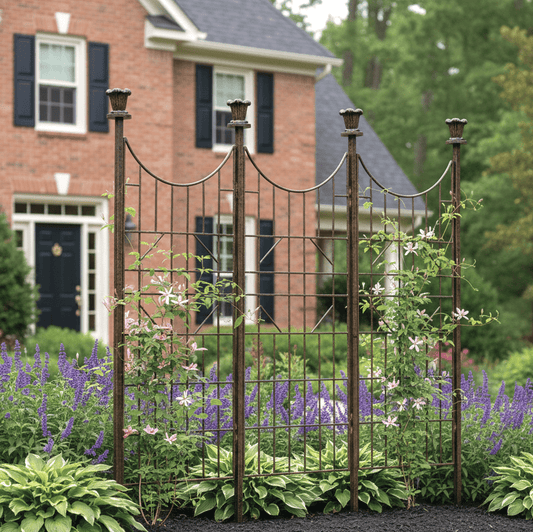
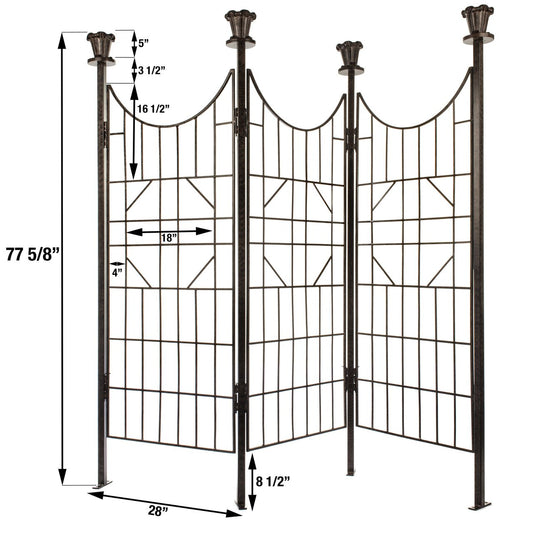
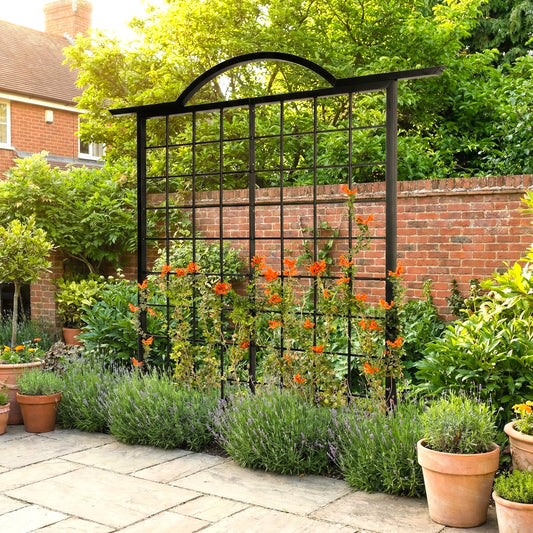
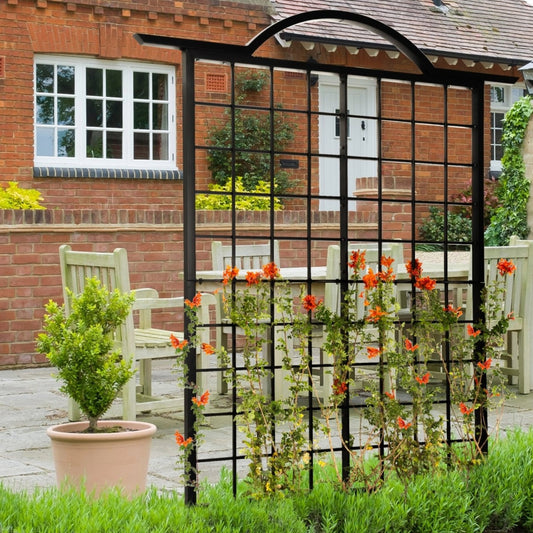
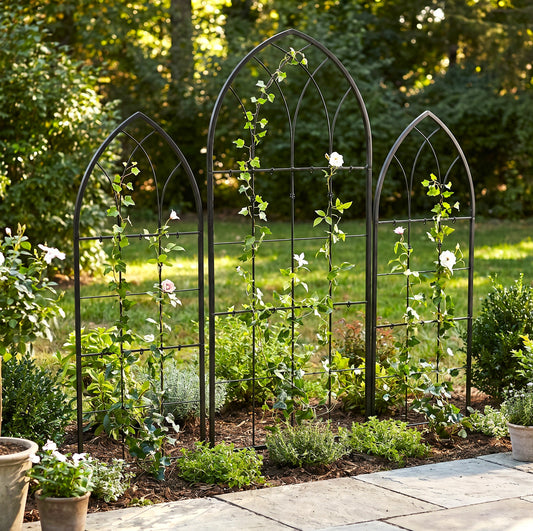
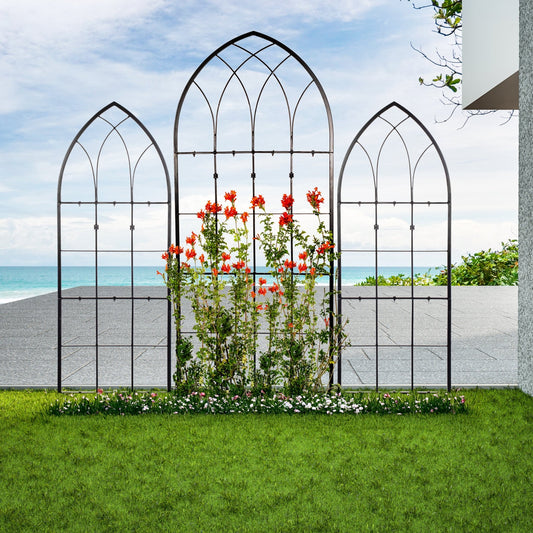
Vertical Pollinator Gardens: H Potter trellises and obelisks create opportunities for vertical pollinator gardens that maximize bloom density in small spaces. Train flowering vines like clematis, honeysuckle, or morning glories on trellises to create walls of bee-friendly flowers.
Succession Planting in Tall Planters: Use H Potter's tall planters for succession planting of annual flowers, ensuring continuous blooms throughout the season. Plant early-blooming varieties in spring, followed by summer bloomers, and finish with fall-flowering species for extended pollinator support.
Herb Gardens in Copper Planters: Many culinary herbs are excellent bee plants. Copper planters are ideal for herb gardens because copper's antimicrobial properties help prevent root diseases common in container-grown herbs. Allow herbs like basil, oregano, and thyme to flower for bee benefit while still harvesting leaves for culinary use.
How to Help Bees Stay Healthy
To help bees stay healthy, you can provide them with a source of food throughout the year. Plant a variety of flowers and herbs that bloom at different times of the year, so bees always have something to eat. Additionally, avoid using pesticides and chemicals in your garden, which can harm bees.
Spring: Supporting Colony Establishment
Early Bloom Priorities: Spring is the most critical time for bee nutrition. Queen bumblebees are establishing new colonies, honeybee colonies are building up after winter, and solitary bees are beginning their reproductive cycles. Early-blooming plants like crocuses, snowdrops, and pussy willows provide essential early-season nutrition.
Nesting Site Preparation: Prepare nesting sites for ground-nesting bees by maintaining areas of bare, well-drained soil. Avoid mulching these areas heavily, as many native bees need direct soil access for nesting. South-facing slopes with morning sun exposure are particularly attractive to ground-nesting species.
Summer: Peak Activity Management
Heat Stress Mitigation: Provide shade and water sources to help bees cope with extreme heat. Bees can suffer heat stress just like other animals, and providing relief helps maintain active pollinator populations during peak garden productivity.
Continuous Bloom Maintenance: Deadhead spent flowers to encourage continued blooming, but leave some seed heads for late-season bee food and overwintering beneficial insects. Balance aesthetic preferences with ecological benefits.
Pesticide Vigilance: Summer is when pest problems peak, but it's also when bee activity is highest. Be especially cautious about pesticide use during summer months, and always check flowers for bee activity before applying any treatments.
Fall: Preparing for Winter
Late-Season Nutrition: Fall-blooming plants are crucial for bee survival. Asters, goldenrod, and late-flowering herbs provide the nutrition bees need to build energy reserves for winter. Resist the urge to cut back these plants until after they've finished blooming.
Seed Head Management: Leave seed heads on plants like echinacea, rudbeckia, and sunflowers. These provide food for birds and overwintering sites for beneficial insects. The structural interest they add to winter gardens is an added benefit.
Garden Planning: Use fall to plan next year's bee garden improvements. Order seeds for bee-friendly plants, research native species for your area, and design new pollinator habitat areas.
Winter: Planning and Preparation
Educational Opportunities: Winter is an excellent time to learn more about bee biology, garden ecology, and pollinator conservation. Read books, attend workshops, and plan improvements for the coming growing season.
Seed Starting Preparation: Start planning and ordering seeds for bee-friendly annuals. Many excellent pollinator plants can be grown from seed, providing economical ways to expand bee habitat.
Designing Bee-Friendly Water Features
Create water features with gradually sloping sides and maximum depths of 1-2 inches. This allows bees to wade in safely without risk of drowning. Add stones, twigs, or cork pieces as landing platforms.
How Bees Help Your Garden and Flowers
Bees help your garden and flowers by pollinating them, which ensures that they produce fruit and seeds. This not only benefits your garden but also the environment as a whole. Additionally, bees help to increase biodiversity by pollinating a wide variety of plants and flowers.