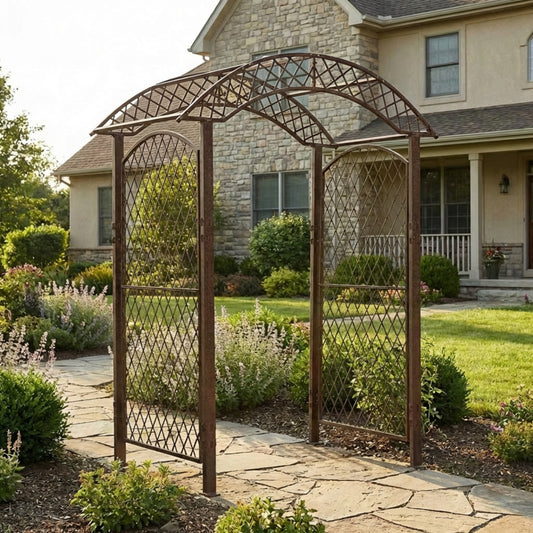
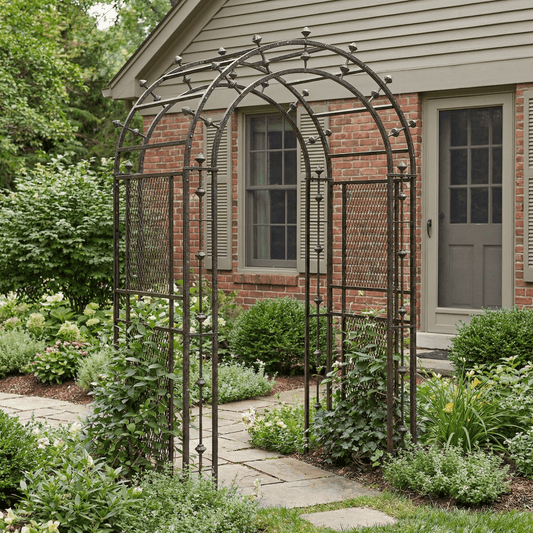
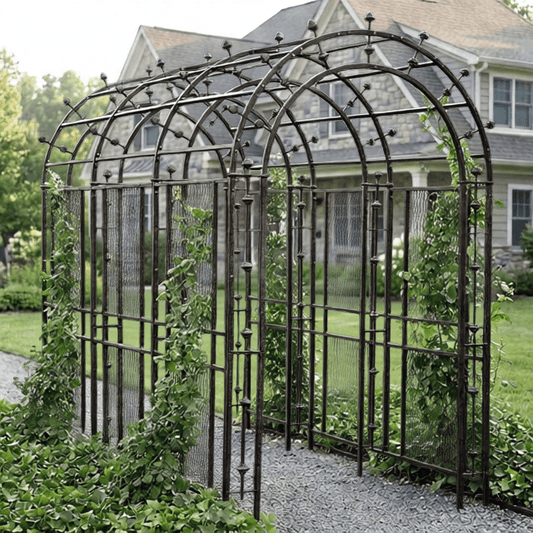
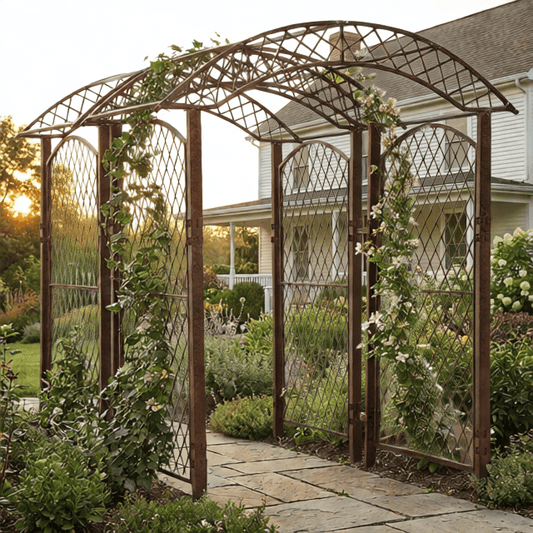
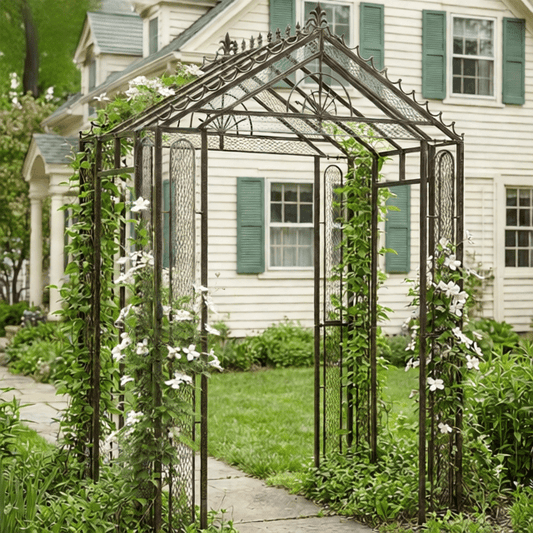
A metal garden arbor does more than support climbing plants. It creates structure, adds presence, and becomes part of the long-term character of the garden.
Jack’s Take: A Great Arbor Should Get Better With Time
A good arbor isn’t only about the first season. It has to look strong before the vines mature, stay stable as they gain weight, and still feel right in the garden years later.
-
Choose durability first: mature vines are heavier than most gardeners expect.
-
Think beyond support: an arbor also acts as architecture, not just plant hardware.
-
Invest once: the right metal structure saves replacement, repair, and frustration later.
Author: Jack Peed, contributing garden writer at H Potter.
Why Add a Metal Arbor to the Garden?
A metal arbor is one of those garden pieces that changes the space immediately. It adds a sense of arrival, creates a vertical focal point, and gives climbing plants a serious structure to grow on. Whether you’re building a new landscape or refining an established one, an arbor has a way of making the whole garden feel more intentional.
1) Heavy-Duty and Durable
Metal arbors are built to last. Unlike wood structures that can rot, warp, or weaken over time, a quality metal arbor maintains its shape and strength season after season. That matters even more once climbing plants begin to mature and add real weight to the structure.
If you’re placing something permanent in the garden, durability isn’t a bonus—it’s the whole point.
Think long term: Choose the arbor for the vine you’ll have in five years, not the vine you planted last week.
2) Ideal for Climbing Plants
If you love the look of climbing plants in the garden, a metal arbor trellis is one of the best ways to grow them. Climbing roses, clematis, jasmine, and other vigorous vines can grow up and over the arbor, turning it into a living architectural feature.
The arch itself adds height and dimension, while the structure gives plants something substantial to grip and climb. That combination is what makes an arbor so satisfying in the landscape: it looks beautiful on its own, and even better once it’s planted.
For a stronger plant-pairing plan, see Climbing Vines for Trellises & Arbors.
3) Timeless and Classic
A metal arbor is one of those structures that never really goes out of style. It works in traditional landscapes, cottage gardens, more formal settings, and even cleaner contemporary designs. The lines are architectural, but the effect is still warm and garden-friendly.
That timelessness is part of the value. A well-designed arbor doesn’t date the garden—it becomes part of its identity.
4) Powder-Coated Finish for Long-Term Performance
A powder-coated finish does more than improve appearance. It helps protect the arbor from weather and rust, which is what allows a metal structure to remain beautiful outdoors year after year.
At H Potter, our arbors are designed to hold up in real garden conditions. That means you get both a refined look and the kind of finish that supports long-term outdoor performance.
Maintenance note: A quality finish reduces upkeep, but it’s still smart to inspect the structure seasonally and touch up any significant scratches early.
5) Grid Pattern and Structure for Foliage
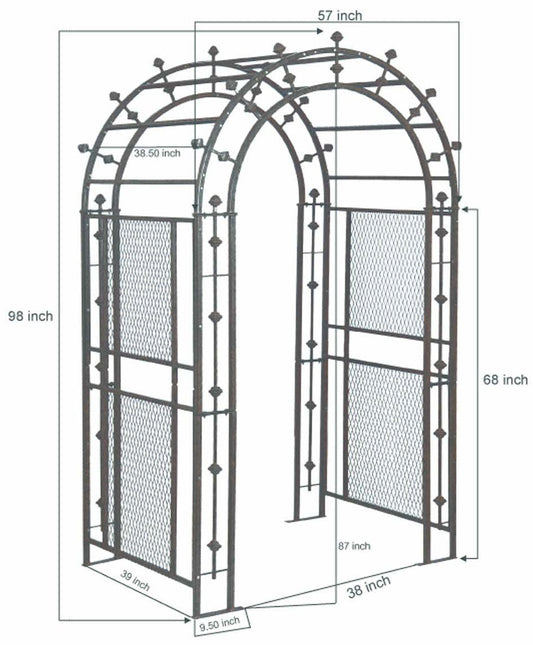
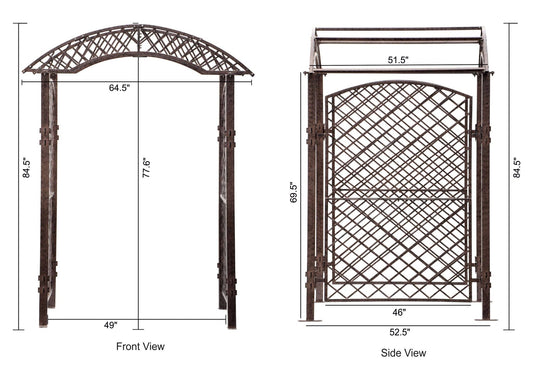
Many metal arbors include grid or panel elements that make it easier to train foliage in a specific direction. That structure helps gardeners create fuller, more balanced coverage and gives vines a clear route upward.
It’s not just about support—it’s about control. The right paneling helps you shape the plant, manage the form, and create a more finished garden display over time.
Installation Matters More Than Most Gardeners Think
Proper installation determines whether an arbor becomes a lasting garden asset or a source of frustration. Level ground matters. Anchoring matters. Assembly sequence matters. A heavy-duty structure only performs like one if it’s installed correctly.
Site Preparation
Level ground isn’t optional if you want the arbor to stay true and stable. Uneven installation creates stress points that affect both appearance and long-term performance.
Foundation and Anchoring
Most metal arbors don’t require concrete footings, but they do require proper anchoring. Ground stakes need to be driven fully and aligned carefully. In looser soils, additional stabilization may be worth the effort.
Assembly Sequence
Following the instructions matters. Rushing assembly can create alignment issues that only show up after the arbor is anchored. For help, use the Arbor Maintenance & Setup Guide.
Choose Plants With the Arbor in Mind
The relationship between arbor and plant is a partnership that develops over years. Fast-growing vines can give quick coverage, but they may overwhelm lighter visual details. Slower growers may take patience, but often create a more refined result.
Growth Rate
Morning glories can cover quickly. Clematis often takes more time but can look more tailored and intentional once established.
Mature Size
A young wisteria or grape vine may look manageable now, but mature vines can overwhelm weak structures. Always plan around mature size, not nursery size.
Maintenance Style
Some climbers demand regular pruning and training, while others are more forgiving. Match the plant to the amount of attention you realistically want to give it.
Long-Term Value Matters
A metal arbor is more than a decorative purchase. It becomes part of the landscape architecture of your property. It shapes entrances, frames garden paths, and gives climbing plants a strong, lasting structure.
Over time, quality structures often become the pieces a garden is remembered for. They age into the landscape. They gather stories. And they continue doing their job long after lighter structures would have failed.
Frequently Asked Questions
Why choose a metal arbor over a wooden arbor?
Metal arbors generally offer better durability, weather resistance, and long-term stability. Wood can rot, warp, or weaken over time, especially once exposed to moisture and mature vine weight.
What plants grow best on a metal arbor?
Climbing roses, clematis, jasmine, honeysuckle, and other vigorous vines are all strong candidates. The best choice depends on your climate, sunlight, and how much maintenance you want to do.
What is the benefit of a powder-coated finish on a metal arbor?
A powder-coated finish helps protect the structure from weather and rust while also giving the arbor a clean, refined appearance that holds up better outdoors.
Can a metal arbor really last for decades?
Yes—if it’s well-built, properly installed, and cared for over time. A quality metal arbor is one of the most durable long-term structures you can add to the landscape.
Continue Planning Your Arbor
If you’re considering a metal arbor, the best next step is to match the structure to the role you want it to play in the garden—entrance, pathway marker, climbing support, or long-term focal point.